Send
Close Add comments:
(status displays here)
Got it! This site "creationpie.org" uses cookies. You consent to this by clicking on "Got it!" or by continuing to use this website. Note: This appears on each machine/browser from which this site is accessed.
Matthew 21:33 Parable of the householder 1
1. Matthew 21:33 Parable of the householder 1
This content is under development.
2. Matthew 21
3. Matthew 21:24-27 Authoritative lack of restraint
After the fig tree lesson on the way from Bethany to Jerusalem, Jesus and his disciples are now in the temple complex.
Matthew 21:23 And when he was come into the temple, the chief priests and the elders of the people came unto him as he was teaching, and said, By what authority doest thou these things? and who gave thee this authority? [kjv]
21:24 And Jesus answered and said unto them, I also will ask you one thing, which if ye tell me, I in like wise will tell you by what authority I do these things. [kjv]
21:25 The baptism of John, whence was it? from heaven, or of men? And they reasoned with themselves, saying, If we shall say, From heaven; he will say unto us, Why did ye not then believe him? [kjv]
21:26 But if we shall say, Of men; we fear the people; for all hold John as a prophet. [kjv]
21:27 And they answered Jesus, and said, We cannot tell. And he said unto them, Neither tell I you by what authority I do these things. [kjv]
4. Matthew 21:27 No telling
Matthew 21:27 And they answered Jesus, and said, We cannot tell. And he said unto them, Neither tell I you by what authority I do these things. [kjv]
και αποκριθεντες τω ιησου ειπον ειπαν ουκ οιδαμεν εφη αυτοις και αυτος ουδε εγω λεγω υμιν εν ποια εξουσια ταυτα ποιω [gnt]
Jesus says he will not tell them. Most sermons end at that point. Does Jesus, in fact, tell them? To find out, one must read on and connect the dots. What if, instead of
telling them, Jesus
tells everyone who will listen and understand what he is saying? There is not
one shred of evidence that Jesus answers this question in the following verses.
"ἐγὼ" ≈ "I (am)" (for emphasis) and "λέγω" ≈ "(I) say"
"ποιῶ" ≈ "I do" (emphasis not used/needed)
Spanish: "hablo" ≈ "(I) speak" as a PIE (Proto Indo-European) example.
Spanish: "yo" ≈ "I" and "hablo" ≈ "(I) speak" (for emphasis).
5. Matthew 21:28-30 Desire of the Father 1
Matthew 21:28 But what think ye? A certain man had two sons; and he came to the first, and said, Son, go work to day in my vineyard. [kjv]
21:29 He answered and said, I will not: but afterward he repented, and went. [kjv]
21:30 And he came to the second, and said likewise. And he answered and said, I go, sir: and went not. [kjv]
21:31 Whether of them twain did the will of his father? They say unto him, The first. Jesus saith unto them, Verily I say unto you, That the publicans and the harlots go into the kingdom of God before you. [kjv]
Is it more important what you
think, what you
say, or what you
do? Is it enough to say "
I will"! Might these verses (and those that follow) help answer some previous questions?
Was the baptism of John from "heaven" or from "man"?
By what "authority" does Jesus do the things that he does?
6. Matthew 21:30 Put it together
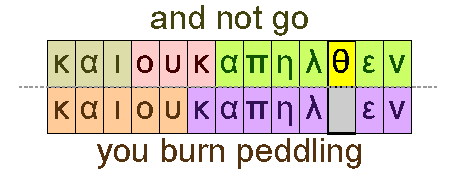
Matthew 21:30 And he came to the second, and said likewise. And he answered and said, I go, sir: and went not. [kjv]
21:29 ο δε αποκριθεις ειπεν ου θελω υστερον δε μεταμεληθεις εγω κυριε και ουκ απηλθεν [gnt]
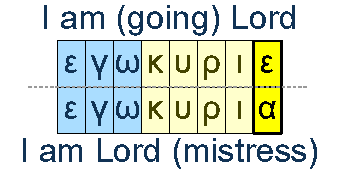
Might the one
child be assuming the role of
lord or
master? Is it a novel idea that a
child who appears to be a male will want to be a female (leader, mistress, etc.). Might the
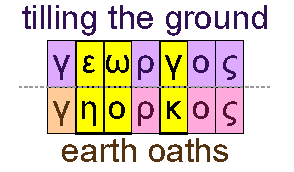
"peddling" imply a "
merchant"?
Might such a
child, instead of
working in the
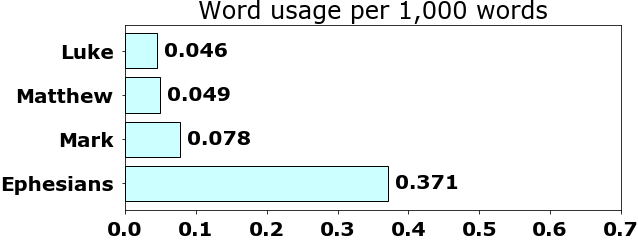
vineyard, might
work the
vineyard as someone might
work the
crowd? That is, to their own benefit. Might this be
snake-oil?
7. Matthew 21:31 Review
Matthew 21:31 Whether of them twain did the will of his father? They say unto him, The first. Jesus saith unto them, Verily I say unto you, That the publicans and the harlots go into the kingdom of God before you. [kjv]
τις εκ των δυο εποιησεν το θελημα του πατρος λεγουσιν αυτω ο πρωτος υστερος λεγει αυτοις ο ιησους αμην λεγω υμιν οτι οι τελωναι και αι πορναι προαγουσιν υμας εις την βασιλειαν του θεου [gnt]
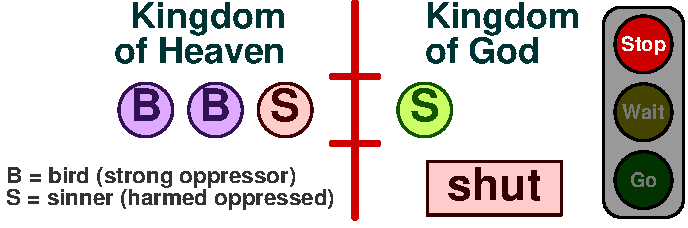
Logically, and relating the before and after of the "
Verily I say unto you", Jesus says that none of the
"birds" will enter the "
kingdom" of "
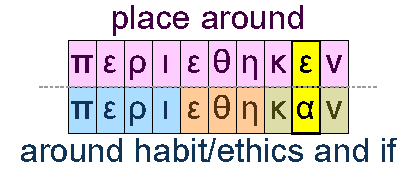
God" but some "
harlots" and/or "
tax collectors" may do so.
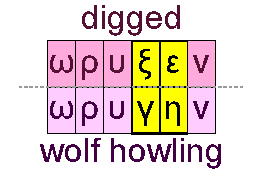
The "birds" correspond to the "child" who says "I am Lord (harlot)".
The others correspond to the "child" who "lagged behind" but then went and did the right thing.
8. Matthew 21:33 Parable of the householder 1
Matthew 21:33 Hear another parable: There was a certain householder, which planted a vineyard, and hedged it round about, and digged a winepress in it, and built a tower, and let it out to husbandmen, and went into a far country: [kjv]
21:40 When the lord therefore of the vineyard cometh, what will he do unto those husbandmen? [kjv]
21:41 They say unto him, He will miserably destroy those wicked men, and will let out his vineyard unto other husbandmen, which shall render him the fruits in their seasons. [kjv]
Who is the
"householder"? Are you sure? Do the actions of this
"householder" fit the actions of the real
"householder"?
9. Microsoft Copilot AI
Query: Who is the householder in the parable of the
householder's vineyard in Matthew 21:33?
Answer: God. In the parable of the householder's vineyard, the householder is interpreted as God. This interpretation suggests that God is the landowner of the vineyard, which symbolizes the Jewish nation, and the tenants represent the religious leaders who mistreat and ultimately reject the messengers of God, such as the prophets. The parable illustrates the consequences of rejecting God's messengers and His messages.
(as of 2026-01-01)
10. Google AI
Query:
Who is the householder in the parable of the
householder's vineyard in Matthew 21:33?
Answer: In the Parable of the Vineyard (Matthew 21:33-46), the householder (landowner) represents God the Father, who owns the vineyard, which symbolizes Israel or the Kingdom of God, and expects a harvest (righteous living/fruit) from the tenants (religious leaders) who ultimately reject His messengers and His Son, Jesus Christ, who is cast out and killed.
Key Figures & Symbols: (underlining and color coding added)
Householder/Landowner: God the Father.
Vineyard: The people of Israel, God's chosen people, or the Kingdom of God.
Tenants/Husbandmen: The chief priests, elders, and religious leaders of Israel.
Servants: The prophets sent by God to Israel, who were mistreated.
Son: Jesus Christ, God's final messenger.
(as of 2026-01-01)
11. Google AI
The Parable's Meaning: God (the householder) entrusted Israel (the vineyard) to its leaders (the tenants), expecting them to produce spiritual fruit. Instead, they persecuted God's prophets (servants) and eventually killed His Son (Jesus), believing they could seize the inheritance. Jesus's point was to condemn their rejection of Him and foretell that the vineyard (God's kingdom) would be taken from them and given to others (the new believers/Gentiles) who would produce the proper fruit.
(as of 2026-01-01)
12. Recurring pattern
How should one study and understand what Jesus says in the Bible? Here is a recurring pattern I have detected in studying and understanding what Jesus says in the Bible.
Jesus tells a parable (code-word story) that appears to refer to the Jewish religious establishment (literal).
The decoded parable, with play on words has additional meaning authentication codes, and appears to refer to the future religious establishment(s).
Those future religious establishments will move the mountains (definitions) and focus the blame on that Jewish religious establishment as they take that power for their own use.
All the codes are in place to show that Jesus knew that they would do this hundreds of years later.
This acts as an authentication code as to by what authority (lack of restraint) Jesus did the things he did.
13. John 16:29 Proverbs and parables
Are the disciples ever confused about what Jesus means when he says something?
John 16:29 His disciples said unto him, Lo, now speakest thou plainly, and speakest no proverb. [kjv]
λεγουσιν αυτω οι μαθηται αυτου ιδε νυν εν παρρησια λαλεις και παροιμιαν ουδεμιαν λεγεις [gnt]
… openlice… by-spell. [wes]
What is the difference between a
"parable" and a
"proverb"? It appears that the Hebrew/Aramaic has one word for this concept and that word can be translated into Greek as
"parable" or
"proverb".
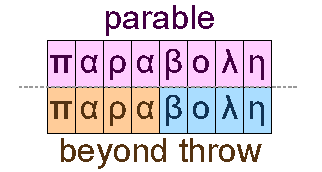
"παραβολή" ≈ "saying, proverb"
"παρά" ≈ "beyond" and "βολή" ≈ "throw".
"παροιμία" ≈ "saying, proverb"
The Wessex Gospels use
"by-spell" for
"proverb" and
"openlice" or
"openly" for
"plainly".
It is possible that whoever did the Greek translation picked the Greek word that they thought best matched the original language, but the differences and implications are yet interesting (and left for another time and place).
14. Steganography: hidden messages
Steganography is the use of hidden messages as a secret code. An observer may not even know that a secret code is being used.
The word "
steganography" comes from the Ancient Greek «
στεγανός» means a cover or roof and «
φράφω» has to do with writing, as in "
graphics". A modern term for "
steganography" is the descriptive term "
invisible ink".
The dinosaur called a "
stegosaurus" is named, in part , for the spikes on the spine that, when flattened, appear to look like tiles on a "
roof".
Jesus uses a form of "
steganography" in the parables as recorded by Matthew. That is, the messages are hidden in plain sight.
15. Literal meanings
Any other meaning such as figurative, etc., contains a lot of opinion. Would Jesus tell stories (parables) whose (reality and logical) truth are open to the opinion of the listener? Does Jesus explain his method?
Each of the three Kingdom Parables from Matthew 13 that are explained by Jesus have the following form.
1. A story (parable) is told consisting of nouns, verbs and other parts of speech that have some
literal meaning.
2. To explain the parable, Jesus uses code words where nouns are replaced with other nouns whose
literal meaning constitutes the meaning of the parable.
There is no guesswork or opinion needed. That literal meaning of the decoded parable is the meaning of the parable.
16. Communication and steganography
17. Other similar differences
Greek has
two words for
"others" as in others that are
"similar" and others that are
"different" whereas English has the
one word
"other"
| English |
Greek |
Greek |
| other |
other (similar) |
ἄλλος |
| other |
other (different) |
ἕτερος |
|
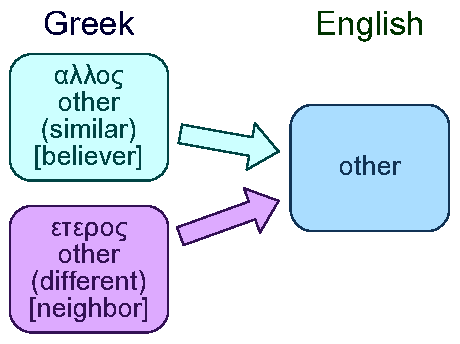 |
The ancient Greek word
"ἄλλος" ≈ "other - similar" and is related to the English word
"else".
The ancient Greek word
"ἕτερος" ≈ "other - different" and is related to the English word
"asunder" as in "
one or the other of two" and is the prefix of English words such as "
heterosexual", "
heterodoxy", etc.
18. Matthew 21:33 Hear another parable
Matthew 21:33 Hear another parable: There was a certain householder, which planted a vineyard, and hedged it round about, and digged a winepress in it, and built a tower, and let it out to husbandmen, and went into a far country: [kjv]
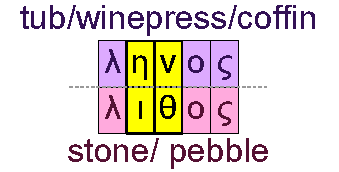
αλλην παραβολην ακουσατε ανθρωπος τις ην οικοδεσποτης οστις εφυτευσεν αμπελωνα και φραγμον αυτω περιεθηκεν και ωρυξεν εν αυτω ληνον και ωκοδομησεν πυργον και εξεδοτο εξεδετο αυτον γεωργοις και απεδημησεν [gnt]
|
Parable
|
Idea
|
|
Hear a parable.
|
Hear an idea.
|
|
Hear another parable.
|
Hear another idea.
|
|
Hear a similar parable.
|
Hear a similar idea.
|
|
Hear a different parable.
|
Hear a different idea.
|
Jesus could have said what he said in
many ways.
How is one to
"hear" (with understanding) this
similar "parable"?
19. Matthew 21:33 Householder
Matthew 21:33 Hear another parable: There was a certain householder, which planted a vineyard, and hedged it round about, and digged a winepress in it, and built a tower, and let it out to husbandmen, and went into a far country: [kjv]
αλλην παραβολην ακουσατε ανθρωπος τις ην οικοδεσποτης οστις εφυτευσεν αμπελωνα και φραγμον αυτω περιεθηκεν και ωρυξεν εν αυτω ληνον και ωκοδομησεν πυργον και εξεδοτο εξεδετο αυτον γεωργοις και απεδημησεν [gnt]
Jesus says to
"hear" "another" "parable". Who is the
"householder"?
Greek:
Another (similar) parable hear man was householder who [hostile] ...
The
KJV (King James Version) changes
"man" to
"certain". Who is the
"man" who
was a
"householder" (at some point in time)? Might this be related to
Satan?
20. Hear a twist on another parable
Matthew 21:33 Hear another parable: There was a certain householder, which planted a vineyard, and hedged it round about, and digged a winepress in it, and built a tower, and let it out to husbandmen, and went into a far country: [kjv]
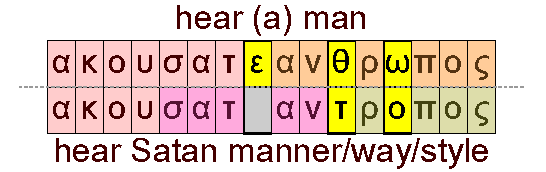
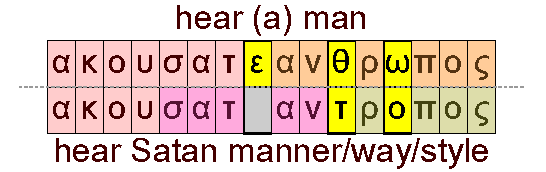
αλλην παραβολην ακουσατε ανθρωπος τις ην οικοδεσποτης οστις εφυτευσεν αμπελωνα και φραγμον αυτω περιεθηκεν και ωρυξεν εν αυτω ληνον και ωκοδομησεν πυργον και εξεδοτο εξεδετο αυτον γεωργοις και απεδημησεν [gnt]
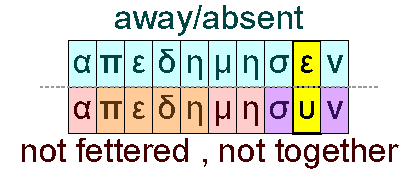
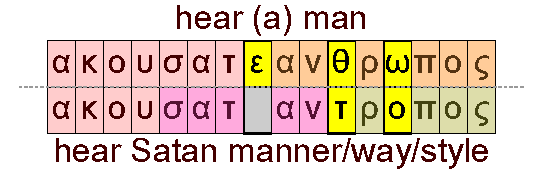
"ἀκούσατε" ≈ "hear" and "ἄνθρωπος" ≈ "man".
"ἀκού" ≈ "hear" and "σατᾶν" ≈ "Satan" and "τρόπος" ≈ "turn, way, manner, style"
21. Matthew 21:33 Hear a twist on another parable
Matthew 21:33 Hear another parable: There was a certain householder, which planted a vineyard, and hedged it round about, and digged a winepress in it, and built a tower, and let it out to husbandmen, and went into a far country: [kjv]
αλλην παραβολην ακουσατε ανθρωπος τις ην οικοδεσποτης οστις εφυτευσεν αμπελωνα και φραγμον αυτω περιεθηκεν και ωρυξεν εν αυτω ληνον και ωκοδομησεν πυργον και εξεδοτο εξεδετο αυτον γεωργοις και απεδημησεν [gnt]
How might this relate to the "
child" of the "
father" who considered himself "
lord"?
Traditional consensus: The
"householder" is "
God". Creates many issues.
22. Matthew 21:33
Matthew 21:33 Hear another parable: There was a certain householder, which planted a vineyard, and hedged it round about, and digged a winepress in it, and built a tower, and let it out to husbandmen, and went into a far country: [kjv]
αλλην παραβολην ακουσατε ανθρωπος τις ην οικοδεσποτης οστις εφυτευσεν αμπελωνα και φραγμον αυτω περιεθηκεν και ωρυξεν εν αυτω ληνον και ωκοδομησεν πυργον και εξεδοτο εξεδετο αυτον γεωργοις και απεδημησεν [gnt]
Might this
"other" "similar" "parable" have something to do with
"Satan" and the
"way" or
"manner" of
"Satan"?
23. Matthew 21:33 Greek and English translations
Matthew 21:33 Hear another parable: There was a certain householder, which planted a vineyard, and hedged it round about, and digged a winepress in it, and built a tower, and let it out to husbandmen, and went into a far country: [kjv]
αλλην παραβολην ακουσατε ανθρωπος τις ην οικοδεσποτης οστις εφυτευσεν αμπελωνα και φραγμον αυτω περιεθηκεν και ωρυξεν εν αυτω ληνον και ωκοδομησεν πυργον και εξεδοτο εξεδετο αυτον γεωργοις και απεδημησεν [gnt]
Does the translation make a difference?
Greek: ... a man was a householder ...
KJV: ... there was a certain householder ...
NIV (New International Version): ... There was a landowner ...
NLT (New Living Translation): ... A certain landowner ...
Berean Literal Bible: ... There was a man, a master of a house, ...
24. Strongs - master of a house
*G3617 *12 οἰκοδεσπότης (oy-kod-es-pot'-ace) : from G3624 and G1203; the head of a family:--goodman (of the house), householder, master of the house.
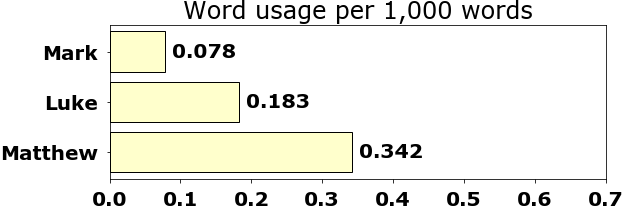 |
Words: οικοδεσποτη=4 οικοδεσποτην οικοδεσποτης=5 οικοδεσποτου=2
|
The ancient Greek word
"οἰκοδεσπότης" ≈ "steward of a house, native ruler" (as in
not a foreign ruler) and comes from two words.
"οἶκος" ≈ "house, household". [OIKOS Yogurt]
"δεσπότης" ≈ "master, ruler" and is the source, through Latin and French, of the English word "despot" - a ruler with absolute power and who exercises that power in an oppressive (evil) way.
In what sense is
Satan a
"householder"? Does
Satan have a
"house"? What might
Satan do as a
"householder"? Might that "
house" be related to the "
synagogue" of
Satan?
Who is the "
strong"
man? What is the "
house" of the "
strong"
man?
25. Usage - master of a house
- *G3617 *12 οἰκοδεσπότης (oy-kod-es-pot'-ace) : from G3624 and G1203; the head of a family:--goodman (of the house), householder, master of the house.
- οικοδεσποτης *5
- Matthew 21:33 ... parable: There was a certain householder, which planted a vineyard, ...
- Matthew 24:43 ... this, that if the goodman of the house had known in what ...
- Luke 12:39 ... know, that if the goodman of the house had known what hour ...
- Luke 13:25 When once the master of the house is risen up, and hath shut to ...
- Luke 14:21 ... lord these things. Then the master of the house being angry said to his ...
- οικοδεσποτη *4
- Matthew 13:52 ... is like unto a man that is an householder, which bringeth forth out of ...
- Matthew 20:1 ... is like unto a man that is an householder, which went out early ...
- Mark 14:14 And wheresoever he shall go in, say ye to the goodman of the house, The Master saith, Where ...
- Luke 22:11 And ye shall say unto the goodman of the house, The Master saith ...
- οικοδεσποτου *2
- Matthew 13:27 So the servants of the householder came and said unto him, ...
- Matthew 20:11 And when they had received it, they murmured against the goodman of the house,
- οικοδεσποτην
- Matthew 10:25 ... lord. If they have called the master of the house Beelzebub, how much more ...
26. Matthew 21:33 Whoever is hostile
Matthew 21:33 Hear another parable: There was a certain householder, which planted a vineyard, and hedged it round about, and digged a winepress in it, and built a tower, and let it out to husbandmen, and went into a far country: [kjv]
αλλην παραβολην ακουσατε ανθρωπος τις ην οικοδεσποτης οστις εφυτευσεν αμπελωνα και φραγμον αυτω περιεθηκεν και ωρυξεν εν αυτω ληνον και ωκοδομησεν πυργον και εξεδοτο εξεδετο αυτον γεωργοις και απεδημησεν [gnt]
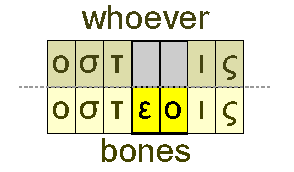
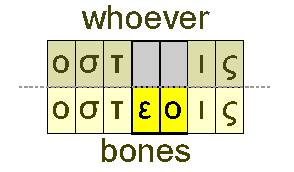
The ancient Greek word
"ὅστις" ≈ "whoever, whosoever" is used in this exact form
16 times in Matthew,
15 by Jesus. and just
10 other times in the
GNT (Greek New Testament). This is a play on words here in
both Greek and Latin.
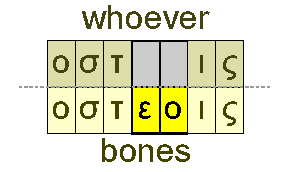
"ὅστις" ≈ "whoever, whosoever".
"ὀστέον" ≈ "bone" as in the first part of the English word "osteoporosis".
The English word
"hostile" comes, through French, from the
Latin word
"hostis" ≈ "enemy" which is similar to how the Greek word would be pronounced. [guest, ghost, host, hostile]
Does the play on words fit in this
"parable"?
27. Matthew 21:33 Was at one time
Matthew 21:33 Hear another parable: There was a certain householder, which planted a vineyard, and hedged it round about, and digged a winepress in it, and built a tower, and let it out to husbandmen, and went into a far country: [kjv]
αλλην παραβολην ακουσατε ανθρωπος τις ην οικοδεσποτης οστις εφυτευσεν αμπελωνα και φραγμον αυτω περιεθηκεν και ωρυξεν εν αυτω ληνον και ωκοδομησεν πυργον και εξεδοτο εξεδετο αυτον γεωργοις και απεδημησεν [gnt]
This
"man" "
was" a
"householder". Was there a time when this
"man" was
not a
"householder"? Will this
"man" continue to be a
"householder"? Does this word mean "
was" and in what sense?
"ἦν" ≈ "was" with the "there" inferred.
How should one research the meaning of the word translated as "
was"?
28. Stanford NLP
Language processing experts such as Chris Manning, director of the of Stanford Artificial Intelligence Laboratory (SAIL), claim a limit of about
94% on the accuracy with which computers can identify the proper
POS (Part of Speech) of a word in a sentence using
NLP (Natural Language Processing), computational linguistics, etc.
Why is there a limit on the accuracy computers can attain on part of speech identification?
Experts can only agree on a given part of speech for a word about 94% of the time.
29. Matthew 21:33
Matthew 21:33 Hear another parable: There was a certain householder, which planted a vineyard, and hedged it round about, and digged a winepress in it, and built a tower, and let it out to husbandmen, and went into a far country: [kjv]
αλλην παραβολην ακουσατε ανθρωπος τις ην οικοδεσποτης οστις εφυτευσεν αμπελωνα και φραγμον αυτω περιεθηκεν και ωρυξεν εν αυτω ληνον και ωκοδομησεν πυργον και εξεδοτο εξεδετο αυτον γεωργοις και απεδημησεν [gnt]
#1 "ἦν" ≈ "was" (first/third person imperfect indicative) from "εἰμί" ≈ "to be, exist, to be the case" or #2 (first person singular imperfect) from "ἠμί" ≈ "to say".
#3 "ἥν" ≈ "who, which, that" (feminine accusative singular) of "ὅς" ≈ "who, which, that".
#4 "ἤν" ≈ "see there!" as a contraction of "ἐάν" ≈ "if".
Important note: The diacritical marks do
not determine the meaning of the word used.
The diacritical marks were
not in the original Greek (no spaces or punctuation). The meaning of the word is determined and then the diacritical marks are added to indicate the decided meaning .
30. Matthew 21:33 Was
Matthew 21:33 Hear another parable: There was a certain householder, which planted a vineyard, and hedged it round about, and digged a winepress in it, and built a tower, and let it out to husbandmen, and went into a far country: [kjv]
αλλην παραβολην ακουσατε ανθρωπος τις ην οικοδεσποτης οστις εφυτευσεν αμπελωνα και φραγμον αυτω περιεθηκεν και ωρυξεν εν αυτω ληνον και ωκοδομησεν πυργον και εξεδοτο εξεδετο αυτον γεωργοις και απεδημησεν [gnt]
The ancient Greek word
"ἦν" ≈ "was" (first/third person imperfect indicative) from
"εἰμί" ≈ "to be, exist, to be the case" or (first person singular imperfect) from
"ἠμί" ≈ "to say".
Did the "
first" "
child" say (play on words)
"I (am)" "lord (mistress)"? The play here could be "
(I) say"
"householder"
31. Matthew 7:29 He was teaching
Matthew 7:29 For he taught them as one having authority, and not as the scribes. [kjv]
ην γαρ διδασκων αυτους ως εξουσιαν εχων και ουχ ως οι γραμματεις αυτων [gnt]
For "(he) was" "teaching".
The
KJV appears to not follow the Greek.
The ancient Greek word
"γάρ" ≈ "for, since" (never the first word in a sentence or phrase). The modern Greek word
"γαρ" (ghar) ≈ "as well as".
32. Matthew 7:29
33. Matthew 7:29
KJV: For he taught them as one having authority, and not as the scribes.
Greek: ην γαρ διδασκων αυτους ως εξουσιαν εχων και ουχ ως οι γραμματεις αυτων
34. Matthew 21:33 That
Matthew 21:33 Hear another parable: There was a certain householder, which planted a vineyard, and hedged it round about, and digged a winepress in it, and built a tower, and let it out to husbandmen, and went into a far country: [kjv]
αλλην παραβολην ακουσατε ανθρωπος τις ην οικοδεσποτης οστις εφυτευσεν αμπελωνα και φραγμον αυτω περιεθηκεν και ωρυξεν εν αυτω ληνον και ωκοδομησεν πυργον και εξεδοτο εξεδετο αυτον γεωργοις και απεδημησεν [gnt]
To support the idea of "
was" the
TR (Textus Receptus) adds
"τις" ≈ "anyone, something".
"ἦν" ≈ "was" (first/third person imperfect indicative) from "εἰμί" ≈ "to be, exist, to be the case" or "ἦν" ≈ "(I) say" (first person singular imperfect) from "ἠμί" ≈ "to say".
"ἥν" ≈ "who, which, that" (feminine accusative singular) of "ὅς" ≈ "who, which, that" referring to "κυρια" ≈ "lord/mistress".
"ἤν" ≈ "see there!" as a contraction of "ἐάν" ≈ "if".
Multiple meanings:
... (a) man was/that/see there/I say ...
35. Revelation: To count on ears
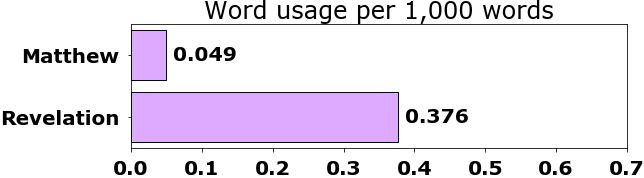
The warning about
"ears" and
"hearing" are at the end of
each of the
seven letters to a church in Revelation. There appears to be some play on words and a form of a joke, so to speak, in the patterns of the suffix of the Greek word.
The ancient Greek word
"ακουσατω" ≈ "let him hear". This
exact word for "
let him hear" appears
8 times in the
GNT and only in Revelation. It appears
5 times in the
LXX (Septuagint).
Other verbs with a
different root but with the
same suffix "
σατω" appear
3 other times in Revelation (twice in one verse) and only
6 other times in the rest of the
GNT (in Luke and 1 Peter and James).
36. Matthew 21:33 Vineyards
Matthew 21:33 Hear another parable: There was a certain householder, which planted a vineyard, and hedged it round about, and digged a winepress in it, and built a tower, and let it out to husbandmen, and went into a far country: [kjv]
αλλην παραβολην ακουσατε ανθρωπος τις ην οικοδεσποτης οστις εφυτευσεν αμπελωνα και φραγμον αυτω περιεθηκεν και ωρυξεν εν αυτω ληνον και ωκοδομησεν πυργον και εξεδοτο εξεδετο αυτον γεωργοις και απεδημησεν [gnt]

The
ancient Greek word
"ἀμπελών" ≈ "vineyard" and comes from
"ἄμπελος" ≈ "vine, vineyard". It was also an engine for protecting in a siege.
Discuss: Might the
"vineyard" represent, in some sense, the "
church" as a "
gathering of believers"? Would
Satan copy this idea? Might this be called a "
synagogue" of
Satan?
37. Matthew 7:15 Daniel Defoe
Matthew 7:15 Beware of false prophets, which come to you in sheep's clothing, but inwardly they are ravening wolves. [kjv]
προσεχετε δε απο των ψευδοπροφητων οιτινες ερχονται προς υμας εν ενδυμασιν προβατων εσωθεν δε εισιν λυκοι αρπαγες [gnt]
Consider the John Wesley house analogy. Before going up the
steps and through the
door into the
house one should be sure that this is the house into which one wants to go.
English novelist, journalist, merchant (and pamphleteer and spy)
Daniel Defoe (1660-1731), known for
Robinson Crusoe in 1719, starts his poem
The true-born Englishman as follows.
Whenever God erects a house of prayer, the devil always builds a chapel there.
And 'twill be found, upon examination, the latter has the largest congregation.
How does this compare with a "
vineyard"? How about a "
synagogue" of "
Satan"?
38. Strongs - vineyard
*G290 *23 ἀμπελών (am-pel-ohn') : from G288; a vineyard:--vineyard.
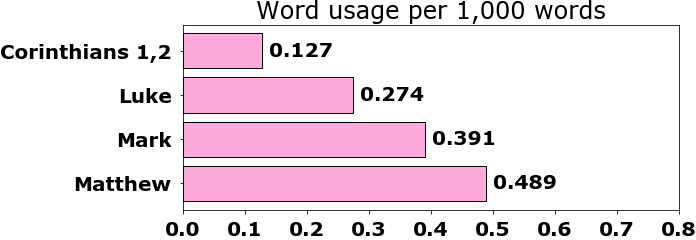 |
Words: αμπελωνα=11 αμπελωνι=2 αμπελωνος=10
|

The
ancient Greek word
"ἀμπελών" ≈ "vineyard" and comes from
"ἄμπελος" ≈ "vine, vineyard". It was also an engine for protecting in a siege.
Discuss: Might the
"vineyard" represent, in some sense, the "
church" as a "
gathering of believers"? Would
Satan copy this idea? Might this be called a "
synagogue" of
Satan?
39. Usage - vineyard
- *G290 *23 ἀμπελών (am-pel-ohn') : from G288; a vineyard:--vineyard.
αμπελωνα *11 of 23
Matthew 20:1 ... labourers into his vineyard.
Matthew 20:2 ... them into his vineyard.
Matthew 20:4 ... ye also into the vineyard, and whatsoever is ...
Matthew 20:7 ... ye also into the vineyard; and whatsoever is ...
Matthew 21:33 ... householder, which planted a vineyard, and hedged it ...
Matthew 21:41 ... wicked men, and will let out his vineyard unto other husbandmen, ...
Mark 12:1 ... parables. A certain man planted a vineyard, and set an hedge about ...
Mark 12:9 ... therefore the lord of the vineyard do? he will come and destroy the husbandmen, and will give the vineyard unto others.
Luke 20:9 ... A certain man planted a vineyard, and let it ...
Luke 20:16 ... husbandmen, and shall give the vineyard to others. And when they heard ...
1 Corinthians 9:7 ... charges? who planteth a vineyard, and eateth not ...
40. Matthew 21:33 Plant a vineyard
Matthew 21:33 Hear another parable: There was a certain householder, which planted a vineyard, and hedged it round about, and digged a winepress in it, and built a tower, and let it out to husbandmen, and went into a far country: [kjv]
αλλην παραβολην ακουσατε ανθρωπος τις ην οικοδεσποτης οστις εφυτευσεν αμπελωνα και φραγμον αυτω περιεθηκεν και ωρυξεν εν αυτω ληνον και ωκοδομησεν πυργον και εξεδοτο εξεδετο αυτον γεωργοις και απεδημησεν [gnt]
How does one
"plant" a
"vineyard"? In the parable of the
"vineyard" "workers", workers are recruited to
"work" in the
"vineyard" that would appear to be already
"planted".
"φυτόν" ≈ "plant, tree, creature" and part of the word for "neophyte"
"φύω" ≈ "bring forth, produce, cause to grow".
What happens to
"plants" that are
not "planted" by the
heavenly "
Father"?
41. Matthew 15:13 Plants and roots
Matthew 15:13 But he answered and said, Every plant, which my heavenly Father hath not planted, shall be rooted up. [kjv]
ο δε αποκριθεις ειπεν πασα φυτεια ην ουκ εφυτευσεν ο πατηρ μου ο ουρανιος εκριζωθησεται [gnt]

Every
"plant" not
"planted" by God will be
"rooted up". Would Jesus need to say this if only the Father could
"plant"? Who might that be?
"ἥν" ≈ "who, which, that" (feminine accusative singular) of "ὅς" ≈ "who, which, that".
"φυτόν" ≈ "plant, tree, creature" and "φύω" ≈ "bring forth, produce, cause to grow".
These words are part of the word
"neophyte" as in
"newly planted" and translated by the
KJV as
"novice". Two chapters earlier Jesus related the second kingdom parable of the "
wheat" and the "
tares" or "
weeds". The "
weeds" were
planted, or, more precisely,
re-planted, by the "
birds" (of the evil one) and not by God.
42. Genesis 2:8
Genesis 2:8 And the LORD God planted a garden eastward in Eden; and there he put the man whom he had formed. [kjv]
και εφυτευσεν κυριος ο θεος παραδεισον εν εδεμ κατα ανατολας και εθετο εκει τον ανθρωπον ον επλασεν [lxx]
43. Genesis 2:8
KJV: And the LORD God planted a garden eastward in Eden; and there he put the man whom he had formed.
Hebrew: ויטע יהוה אלהים גן בעדן מקדם וישם שם את האדם אשר יצר׃
Greek: και εφυτευσεν κυριος ο θεος παραδεισον εν εδεμ κατα ανατολας και εθετο εκει τον ανθρωπον ον επλασεν
44. Genesis 9:20
Genesis 9:20 And Noah began to be an husbandman, and he planted a vineyard: [kjv]
και ηρξατο νωε ανθρωπος γεωργος γης και εφυτευσεν αμπελωνα [lxx]
45. Genesis 9:20
KJV: And Noah began to be an husbandman, and he planted a vineyard:
Hebrew: ויחל נח איש האדמה ויטע כרם׃
Greek: και ηρξατο νωε ανθρωπος γεωργος γης και εφυτευσεν αμπελωνα
46. Genesis 4:2-3,5-6
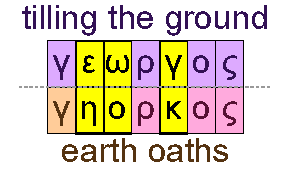
Genesis 4:2 And she again bare his brother Abel. And Abel was a keeper of sheep, but Cain was a tiller of the ground. [kjv]
και προσεθηκεν τεκειν τον αδελφον αυτου τον αβελ και εγενετο αβελ ποιμην προβατων καιν δε ην εργαζομενος την γην [lxx]
4:3 And in process of time it came to pass, that Cain brought of the fruit of the ground an offering unto the LORD. [kjv]
και εγενετο μεθ ημερας ηνεγκεν καιν απο των καρπων της γης θυσιαν τω κυριω [lxx]
4:5 But unto Cain and to his offering he had not respect. And Cain was very wroth, and his countenance fell. [kjv]
επι δε καιν και επι ταις θυσιαις αυτου ου προσεσχεν και ελυπησεν τον καιν λιαν και συνεπεσεν τω προσωπω [lxx]
4:6 And the LORD said unto Cain, Why art thou wroth? and why is thy countenance fallen? [kjv]
και ειπεν κυριος ο θεος τω καιν ινα τι περιλυπος εγενου και ινα τι συνεπεσεν το προσωπον σου [lxx]
Of the two "
children" of Cain and Abel, which one "
planted"? Which one was not acceptable? Who is the "
sower" of "
seeds"?
47. Genesis 4:2
KJV: And she again bare his brother Abel. And Abel was a keeper of sheep, but Cain was a tiller of the ground.
Hebrew: ותסף ללדת את אחיו את הבל ויהי הבל רעה צאן וקין היה עבד אדמה׃
Greek: και προσεθηκεν τεκειν τον αδελφον αυτου τον αβελ και εγενετο αβελ ποιμην προβατων καιν δε ην εργαζομενος την γην
48. Genesis 4:3
KJV: And in process of time it came to pass, that Cain brought of the fruit of the ground an offering unto the LORD.
Hebrew: ויהי מקץ ימים ויבא קין מפרי האדמה מנחה ליהוה׃
Greek: και εγενετο μεθ ημερας ηνεγκεν καιν απο των καρπων της γης θυσιαν τω κυριω
49. Genesis 4:5
KJV: But unto Cain and to his offering he had not respect. And Cain was very wroth, and his countenance fell.
Hebrew: ואל קין ואל מנחתו לא שעה ויחר לקין מאד ויפלו פניו׃
Greek: επι δε καιν και επι ταις θυσιαις αυτου ου προσεσχεν και ελυπησεν τον καιν λιαν και συνεπεσεν τω προσωπω
50. Genesis 4:6
KJV: And the LORD said unto Cain, Why art thou wroth? and why is thy countenance fallen?
Hebrew: ויאמר יהוה אל קין למה חרה לך ולמה נפלו פניך׃
Greek: και ειπεν κυριος ο θεος τω καιν ινα τι περιλυπος εγενου και ινα τι συνεπεσεν το προσωπον σου
51. Matthew field and Luke garden
Matthew 13:31 Another parable put he forth unto them, saying, The kingdom of heaven is like to a grain of mustard seed, which a man took, and sowed in his field: [kjv]
αλλην παραβολην παρεθηκεν αυτοις λεγων ομοια εστιν η βασιλεια των ουρανων κοκκω σιναπεως ον λαβων ανθρωπος εσπειρεν εν τω αγρω αυτου [gnt]
Mark 4:31 It is like a grain of mustard seed, which, when it is sown in the earth, is less than all the seeds that be in the earth: [kjv]
ως κοκκω σιναπεως ος οταν σπαρη επι της γης μικροτερος μικροτερον ον παντων των σπερματων εστιν των επι της γης [gnt]
Luke 13:19 It is like a grain of mustard seed, which a man took, and cast into his garden; and it grew, and waxed a great tree; and the fowls of the air lodged in the branches of it. [kjv]
ομοια εστιν κοκκω σιναπεως ον λαβων ανθρωπος εβαλεν εις κηπον εαυτου και ηυξησεν και εγενετο εις δενδρον μεγα και τα πετεινα του ουρανου κατεσκηνωσεν εν τοις κλαδοις αυτου [gnt]
Matthew: field
Mark: earth
Luke: garden
Compare these with how Jesus uses the words
"vineyard" and
"kingdom".
52. Matthew 6:27 Play on words
53. Matthew 21:33 Planted plants
Matthew 21:33 Hear another parable: There was a certain householder, which planted a vineyard, and hedged it round about, and digged a winepress in it, and built a tower, and let it out to husbandmen, and went into a far country: [kjv]
αλλην παραβολην ακουσατε ανθρωπος τις ην οικοδεσποτης οστις εφυτευσεν αμπελωνα και φραγμον αυτω περιεθηκεν και ωρυξεν εν αυτω ληνον και ωκοδομησεν πυργον και εξεδοτο εξεδετο αυτον γεωργοις και απεδημησεν [gnt]
If this
"vineyard" is
not "planted" by the "
Father", what should happen to that
"vineyard"? What should happen to the
"husbandmen"?
Does Satan as the "
evil one", represented by a "
bird",
"plant" seeds that become "
weeds"? Those "
weeds" can, reflexively, be the "
birds".
54. Strongs - fence
55. Usage - fence
- *G5418 *4 φραγμός (frag-mos') : from G5420; a fence, or inclosing barrier (literally or figuratively):--hedge (+ round about), partition.
- φραγμον *2
- Matthew 21:33 ... planted a vineyard, and hedged it round about, and ...
- Mark 12:1 ... a vineyard, and set an hedge about it, and digged a place for the winefat, ...
- φραγμους
- Luke 14:23 ... into the highways and hedges, and compel them to come in, ...
- φραγμου
- Ephesians 2:14 ... and hath broken down the middle wall of partition between us;
56. Matthew 21:33 Hedge funds
Matthew 21:33 Hear another parable: There was a certain householder, which planted a vineyard, and hedged it round about, and digged a winepress in it, and built a tower, and let it out to husbandmen, and went into a far country: [kjv]
αλλην παραβολην ακουσατε ανθρωπος τις ην οικοδεσποτης οστις εφυτευσεν αμπελωνα και φραγμον αυτω περιεθηκεν και ωρυξεν εν αυτω ληνον και ωκοδομησεν πυργον και εξεδοτο εξεδετο αυτον γεωργοις και απεδημησεν [gnt]
The ancient Greek word
"φραγμός" ≈ "blockage, enclosure, fence, division".
Would the "
heavenly" "
Father" as a
"householder" create "
blockages", "
fences", "
divisions"? Who might do so as a
"householder"?
57. Transgression progression
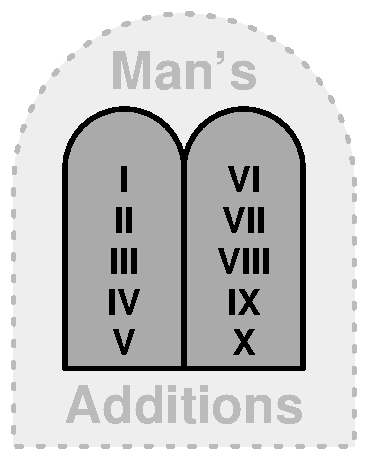
The Pharisees gained power at the time of Ezra and Nehemiah. Since the
walls were finally being rebuilt to defend Jerusalem, they wanted to create a
wall of laws to keep the people from straying from the word of God. This "
wall" might be compared to a "
pit" or "
abyss".
Discuss: Was the
Torah as a
wall of
laws good or not good?
 What is a "sin"? Is "doing good" on the Sabbath a "sin"?
When do you become a "transgressor" of the "law"?
Whose "law"? Does "tradition" take precedence over God's "law"?
Does God require "oaths"? How about "creeds"? What is the difference?
What is a "sin"? Is "doing good" on the Sabbath a "sin"?
When do you become a "transgressor" of the "law"?
Whose "law"? Does "tradition" take precedence over God's "law"?
Does God require "oaths"? How about "creeds"? What is the difference?
Jesus talks about
"transgression" and
"tradition" in Matthew 15:1-27.
[permit law, non-monotonic logic, negation by failure, life, walls, Joshua]
58. Matthew 12:40 Paraphrase
59. Numbers 22:23 Balaam and the ass
Numbers 22:23 And the ass saw the angel of the LORD standing in the way, and his sword drawn in his hand: and the ass turned aside out of the way, and went into the field: and Balaam smote the ass, to turn her into the way. [kjv]
και ιδουσα η ονος τον αγγελον του θεου ανθεστηκοτα εν τη οδω και την ρομφαιαν εσπασμενην εν τη χειρι αυτου και εξεκλινεν η ονος εκ της οδου και επορευετο εις το πεδιον και επαταξεν την ονον τη ραβδω του ευθυναι αυτην εν τη οδω [lxx]
The
ancient Greek word
"ὄνος" ≈ "ass, donkey" and
"ὄνον" ≈ "ass, donkey" (accusative). The
modern Greek word
"όνος" (O-nos) ≈ "ass, donkey".
The "path" or "way" will be important in the parable of the wedding feast.
The "donkey" or "ass" will be a play on words in the parable of the wedding feast.
60. Numbers 22:24 Balaam and the angel
Numbers 22:24 But the angel of the LORD stood in a path of the vineyards, a wall being on this side, and a wall on that side. [kjv]
… גדר … וגדר … [he]
και εστη ο αγγελος του θεου εν ταις αυλαξιν των αμπελων φραγμος εντευθεν και φραγμος εντευθεν [lxx]
The
ancient Greek word
"φραγμός" ≈ "blockage, enclosure, fence, division".
The "vineyard" will be important in the parables of the vineyard workers and the householder.
The "wall" will be important in the parable of the householder.
61. Lucian's The Ass
The
ancient Greek word
"ὄνος" ≈ "ass, donkey"
This book appears to be available as a
PDF (Portable Document Format). (as of 2025-12-23).
Lucian of Samosata (125-180) was a second century Hellenized (made to adopt Greek culture) Syrian writer who often used satire in his writings. He combined the classical Greek style (in a funny way) with the common or Koine Greek spoken by the people. As such, it contains many Greek words used in the
GNT.
62. Strongs - place around
*G4060 *8 περιτίθημι (per-ee-tith'-ay-mee) : from G4012 and G5087; to place around; by implication, to present:--bestow upon, hedge round about, put about (on, upon), set about.
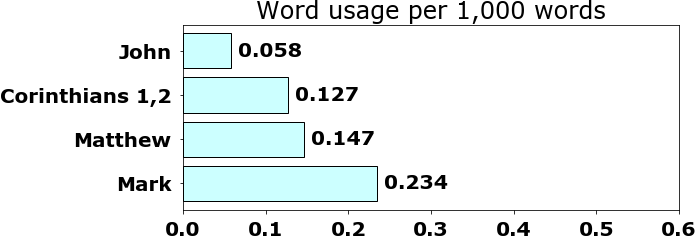 |
Words: περιεθηκαν=1 περιεθηκεν=2 περιθεις=2 περιθεντες περιτιθεασιν περιτιθεμεν
|
"περί" ≈ "around" as in the first part of the English word "perimiter".
"τίθημι" ≈ "put, place, set"
63. Usage - place around
- *G4060 *8 περιτίθημι (per-ee-tith'-ay-mee) : from G4012 and G5087; to place around; by implication, to present:--bestow upon, hedge round about, put about (on, upon), set about.
- περιεθηκαν *1 of 8
- Matthew 27:28 And they stripped him, and put on him a scarlet robe.
64. Matthew 21:33 Place around
Matthew 21:33 Hear another parable: There was a certain householder, which planted a vineyard, and hedged it round about, and digged a winepress in it, and built a tower, and let it out to husbandmen, and went into a far country: [kjv]
αλλην παραβολην ακουσατε ανθρωπος τις ην οικοδεσποτης οστις εφυτευσεν αμπελωνα και φραγμον αυτω περιεθηκεν και ωρυξεν εν αυτω ληνον και ωκοδομησεν πυργον και εξεδοτο εξεδετο αυτον γεωργοις και απεδημησεν [gnt]
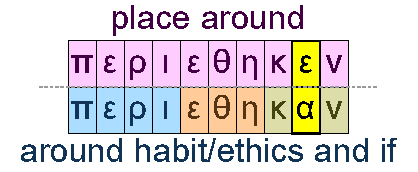
"περιέθηκεν" ≈ "place around" (as used).
"περί" ≈ "around".
"ἔθη" ≈ "habit, custom, disposition".
"καν" ≈ "and if" from "και" ≈ "and" and "εαν" ≈ "if".
Might the "
walls" or "
hedges" be "
placed around"
"and if" (also)
"around" "ethics" or
"habits"?
65. Ethics
The ancient Greek word
"ἔθη" ≈ "habit, custom, disposition" (nominative accusative vocative plural) of
"ἔθος" ≈ "habit, custom, disposition".
A related word is the ancient Greek word
"ἠθικός" ≈ "ethical" from
"ἦθος" ≈ "usual place, character, custom, habit" from the older
"ϝήθος" ≈ "usual place, character, custom, habit" (using the digamma).
There is another common Greek word for "
custom" or "
law".
"νέμω" ≈ "distribute, pasture, graze" (as a verb)
"νομός" ≈ "pasture" (as a noun, accent on second syllable)
"νόμος" ≈ "custom, law" (as a noun, accent on first syllable)
66. Coining a customary distribution law of iniquity
The ancient Greek words for "
pasture", "
law", "
nomad", "
coin" are related. The progression appears to be from a pasture, to a distribution of sheep, to the rules for such distributions, to representations of such wealth as coins, etc.
"νέμω" ≈ "distribute, pasture, graze" (as a verb)
"νομός" ≈ "pasture" (as a noun, accent on second syllable)
"νόμος" ≈ "custom, law" (as a noun, accent on first syllable)
Some English words made from this word include "
economy", "
astronomy", "
Deuteronomy", "
numismatics", etc.
Interestingly, the word the
KJV translates as "
iniquity" is a negation of that word for "
law".
67. Strongs - dug in, tunnel
*G3736 *3 ὀρύσσω (or-oos'-so) : apparently a primary verb; to "burrow" in the ground, i.e. dig:--dig.
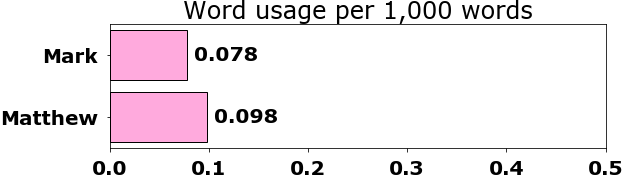 |
Words: ωρυξεν=3
|
*G1358 *4 διορύσσω (dee-or-oos'-so) : from G1223 and G3736; to penetrate burglariously:--break through (up).
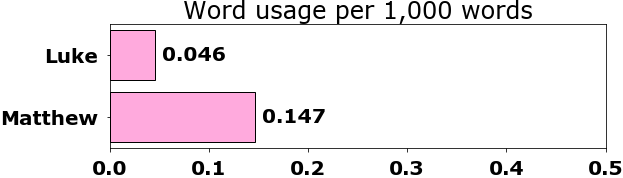 |
Words: διορυσσουσιν=2 διορυχθηναι=2
|
Both words have the idea of
"digging" a
tunnel,
channel, or something similar.
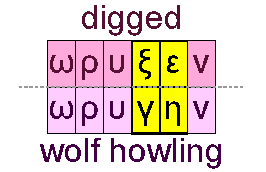
"ὀρύσσω" ≈ "dig".
"διορύσσω" ≈ "dig a canal/tunnel".
68. Usage - dug in, tunnel



















































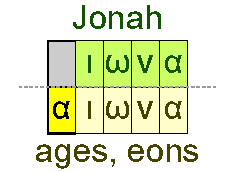
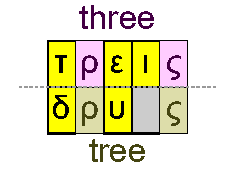
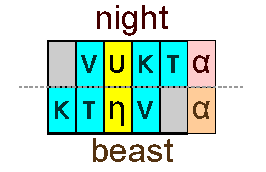



























 The Greek word for "red" is related to the ancient Greek word "πῦρ" ≈ "fire" which is from the PIE root "*PEHWR" ≈ "fire" and is related to the English word "fire" through Grimm's Law.