Send
Close Add comments:
(status displays here)
Got it! This site "creationpie.org" uses cookies. You consent to this by clicking on "Got it!" or by continuing to use this website. Note: This appears on each machine/browser from which this site is accessed.
Matthew 23:33-36 Prophets and wise ones and scribes
1. Matthew 23:33-36 Prophets and wise ones and scribes
This content is being developed.
2. Matthew 23 Taking it to the birds
3. Matthew 24 Olivet discourse
4. Matthew 25: Division parables
5. Matthew 23:33-36 Prophets and wise ones and scribes
Matthew 23:33 Ye serpents, ye generation of vipers, how can ye escape the damnation of hell? [kjv]
23:34 Wherefore, behold, I send unto you prophets, and wise men, and scribes: and some of them ye shall kill and crucify; and some of them shall ye scourge in your synagogues, and persecute them from city to city: [kjv]
In Matthew 23, Jesus takes it to the
"birds". This culminates at the end of Matthew 23 which leads directly to the Olivet Discourse in Matthew 24 and the parables of the Ten Virgins, Talents and Sheep and Goats in Matthew 25. They appear to be all connected.
6. Matthew 23:33 Snakes
7. Matthew 12:34 Vipers
Matthew 12:34 O generation of vipers, how can ye, being evil, speak good things? for out of the abundance of the heart the mouth speaketh. [kjv]
γεννηματα εχιδνων πως δυνασθε αγαθα λαλειν πονηροι οντες εκ γαρ του περισσευματος της καρδιας το στομα λαλει [gnt]
The ancient Greek word
"ἔχιδνα" ≈ "snake, treacherous person" and comes from
"ἔχις" ≈ "snake, adder, viper".
A usual Greek word for a generic "
snake" or "
serpent" is
not used here. The Greek word used refers to a dangerous snake that could be a poisonous snake or a constricting snake. The same word is used for the snake that latches onto Paul in Acts 28 on the shore after the ship wrecks.
Which better describes the religious establishment of that day? Would it be a poisonous snake or a constricting snake (or both)? What about today?
8. Matthew 12:34 Generation of vipers
Matthew 12:34 O generation of vipers, how can ye, being evil, speak good things? for out of the abundance of the heart the mouth speaketh. [kjv]
γεννηματα εχιδνων πως δυνασθε αγαθα λαλειν πονηροι οντες εκ γαρ του περισσευματος της καρδιας το στομα λαλει [gnt]
If the religious establishment openly and clearly spoke
"evil" things, this verse would not apply.
If the religious establishment openly and clearly spoke
"good" things, this verse would not apply.
If the religious establishment spoke what appeared to be
"good" things but were really
"evil" things, as in
deceptions, this verse begins to make more sense.
9. Matthew 23:33 Flee the escape
Matthew 23:33 Ye serpents, ye generation of vipers, how can ye escape the damnation of hell? [kjv]
οφεις γεννηματα εχιδνων πως φυγητε απο της κρισεως της γεεννης [gnt]
The ancient Greek word
"ἀπο" ≈ "away from" and which has an idea of a "
separating distance". This word appears
not to be translated in the
KJV (King James Version) or may be subsumed as in "
flee" and "
away" being combined into "
escape".
The
KJV translates as
"escape" the Greek word that means
"flee". The ancient Greek word
"φεύγω" ≈ "flee, avoid, get away from" and is the source, through Latin, of the English word
"fugitive". Jesus will use this word for
"flee" again in the upcoming Olivet Discourse.
10. Matthew 24:16-17 Mountains
Matthew 24:16 Then let them which be in Judaea flee into the mountains: [kjv]
τοτε οι εν τη ιουδαια φευγετωσαν επι εις τα ορη [gnt]
24:17 Let him which is on the housetop not come down to take any thing out of his house: [kjv]
ο επι του δωματος μη καταβαινετω καταβατω αραι τι τα εκ της οικιας αυτου [gnt]
This verse sequence is part of the Olivet Discourse where Jesus talks about "
all of it" and the "
end of times" and appears to refer to an actual
"mountain". It is not clear how one would flee to a
"definition".
The ancient Greek word "εις" ≈ "into" (more active and dynamic).
The ancient Greek word "επί" ≈ "on" (more passive and static)
It is unclear how one would flee "
into" the "
mountains" rather than "
on" the "
mountains" (some Greek manuscripts)
What is often attributed to Koine Greek idioms appears to be a bias as to what the translators (and Greek scholars) want the text to say - often made worse by changes in the English language over time.
11. Matthew 23:33 Damnation
Matthew 23:33 Ye serpents, ye generation of vipers, how can ye escape the damnation of hell? [kjv]
οφεις γεννηματα εχιδνων πως φυγητε απο της κρισεως της γεεννης [gnt]
The
ancient Greek word
"κρίσις" ≈ "decision, trial, dispute" and comes from
"κρίνω" ≈ "separate, arrange". The
"damnation" is inferred from the Latin.
The Greek for
"damnation" is that of
"separation".
Is there a
"damnation" or
"judgment" of "
hell"? There are Christian churches today that deny that "
hell" exists, and/or that Satan exists.
12. Matthew 23:33 Generations of hell
Matthew 23:33 Ye serpents, ye generation of vipers, how can ye escape the damnation of hell? [kjv]
οφεις γεννηματα εχιδνων πως φυγητε απο της κρισεως της γεεννης [gnt]
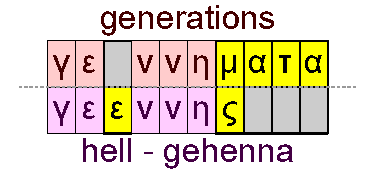
There is a play on words between the similarity of the Greek words for
"generation" and
"hell" as
"Gehenna".
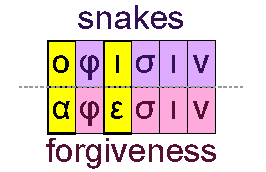
| serpents |
generation |
vipers |
... |
as written |
| forgive |
hell |
vipers |
... |
play on words |
[theological points]
13. Matthew 23:33
KJV: Ye serpents, ye generation of vipers, how can ye escape the damnation of hell?
Greek: οφεις γεννηματα εχιδνων πως φυγητε απο της κρισεως της γεεννης
Latin: serpentes genimina viperarum quomodo fugietis a iudicio gehennae
14. 1 Corinthians 14:6 Prophecy and profits
1 Corinthians 14:6 Now, brethren, if I come unto you speaking with tongues, what shall I profit you, except I shall speak to you either by revelation, or by knowledge, or by prophesying, or by doctrine? [kjv]
νυνι νυν δε αδελφοι εαν ελθω προς υμας γλωσσαις λαλων τι υμας ωφελησω εαν μη υμιν λαλησω η εν αποκαλυψει η εν γνωσει η εν προφητεια η εν διδαχη [gnt]
The ancient Greek word
"προφήτης" ≈ "speaker for a god". Paul continues with
"prophecy" and "
tongues". In English, the word for
"prophet" and
"profit" have the same sound. The Greek words, however, are
different.
Why did the IRS audit the church?
It was a church for a profit and they had false profits.
15. Prophets
A prophet is not (just) someone who foretells the future.
A prophet tells the truth. A prophet is forth-coming.
A false prophet tells others what they want to hear.
Prophets of God foretell the future so that, when it happens, it authenticates them as a prophet of God.
In security, a password might be used to authenticate you.
In security terms, authentication is proving that you are who you claim to be.
In eternal security terms, a prophet of God foretells the future to authenticate them as a prophet of God.
Prophets usually provide some short term prophecies and some long range prophecies. Why?
16. Matthew 23:34 Them are ducks
Matthew 23:34 Wherefore, behold, I send unto you prophets, and wise men, and scribes: and some of them ye shall kill and crucify; and some of them shall ye scourge in your synagogues, and persecute them from city to city: [kjv]
δια τουτο ιδου εγω αποστελλω προς υμας προφητας και σοφους και γραμματεις και εξ αυτων αποκτενειτε και σταυρωσετε και εξ αυτων μαστιγωσετε εν ταις συναγωγαις υμων και διωξετε απο πολεως εις πολιν [gnt]
| * |
Masc.
Sing. |
Masc.
Plural |
Fem.
Sing. |
Fem.
Plural |
Neuter
Sing. |
Neuter
Plural |
| Nom. |
αὐτὁς |
αὐτοί |
αὐτἡ |
αὐταί |
αὐτό |
αὐτά |
| Gen. |
αὐτοῦ |
αὐτῶν |
αὐτῆς |
αὐτῶν |
αὐτοῦ |
αὐτῶν |
| Dat. |
αὐτῷ |
αὐτοῖς |
αὐτῇ |
αὐταῖς |
αὐτῷ |
αὐτοῖς |
| Acc. |
αὐτόν |
αὐτούς |
αὐτήν |
αὐτάς |
αὐτό |
αὐτά |
What is
dative plural
"them" (
masculine,
feminine or
neuter)?
It appears to refer to one or more of
"prophets",
"wise (ones)" and/or
"scribes".
17. Matthew 23:34
Matthew 23:34 Wherefore, behold, I send unto you prophets, and wise men, and scribes: and some of them ye shall kill and crucify; and some of them shall ye scourge in your synagogues, and persecute them from city to city: [kjv]
δια τουτο ιδου εγω αποστελλω προς υμας προφητας και σοφους και γραμματεις και εξ αυτων αποκτενειτε και σταυρωσετε και εξ αυτων μαστιγωσετε εν ταις συναγωγαις υμων και διωξετε απο πολεως εις πολιν [gnt]
What might this verse mean? Google AI: (as of 2025-07-16)
This verse highlights the consistent pattern of rejection faced by God's messengers throughout history and foreshadows the persecution the early Christian church would experience. It emphasizes the cost of discipleship and the consequences of rejecting God's truth.
18. Matthew 23:34 Wisdom and stature
Matthew 23:34 Wherefore, behold, I send unto you prophets, and wise men, and scribes: and some of them ye shall kill and crucify; and some of them shall ye scourge in your synagogues, and persecute them from city to city: [kjv]
δια τουτο ιδου εγω αποστελλω προς υμας προφητας και σοφους και γραμματεις και εξ αυτων αποκτενειτε και σταυρωσετε και εξ αυτων μαστιγωσετε εν ταις συναγωγαις υμων και διωξετε απο πολεως εις πολιν [gnt]
The ancient Greek word
"ἐξ" ≈ "out of" as in the first part of the English word
"exodus" and which as a play on words can be associated with
"ἕξ" ≈ "six" as in the English word
"hex".
The Greek word translated as "
some" is that of "
out (of)". To "
some" this will happen. This means that, to "
some", this will not happen. Who are the "
many"? Who are the "
few"? Which are "
good"? Which are
not "
good"?
19. Matthew 23:34
Matthew 23:34 Wherefore, behold, I send unto you prophets, and wise men, and scribes: and some of them ye shall kill and crucify; and some of them shall ye scourge in your synagogues, and persecute them from city to city: [kjv]
| prophets |
wise (ones) |
scribes |
| kill |
crucify |
? |
scourge in
synagogues |
persecute/pursue
away from city into city |
? |
The Greek word translated as "
out of" is that of "
some of". There are some meaning issues in what is said.
Jesus never uses the word "wise" in a good sense.
The "scourging" is not done in the "synagogues".
The religious elite did not have the power to "crucify".
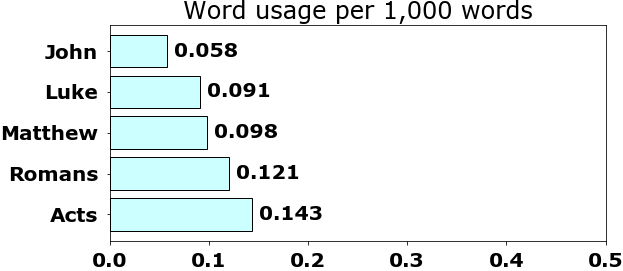
Where do the "scribes" fit in? This is the only place Jesus uses (plural) "scribes" without the "chief priests" or "birds".
Perhaps some play on words are in play!
20. Matthew 23:34 Prophets
Matthew 23:34 Wherefore, behold, I send unto you prophets, and wise men, and scribes: and some of them ye shall kill and crucify; and some of them shall ye scourge in your synagogues, and persecute them from city to city: [kjv]
δια τουτο ιδου εγω αποστελλω προς υμας προφητας και σοφους και γραμματεις και εξ αυτων αποκτενειτε και σταυρωσετε και εξ αυτων μαστιγωσετε εν ταις συναγωγαις υμων και διωξετε απο πολεως εις πολιν [gnt]
The ancient Greek word
"προφήτης" ≈ "speaker for a god" as in a
"prophet" and comes from two Greek words.
"προ" ≈ "before" and source of English words starting with "pro".
"φημί" ≈ "say" and source of the English word "fame".
21. Matthew 15:13 Plants and roots
Matthew 15:13 But he answered and said, Every plant, which my heavenly Father hath not planted, shall be rooted up. [kjv]
ο δε αποκριθεις ειπεν πασα φυτεια ην ουκ εφυτευσεν ο πατηρ μου ο ουρανιος εκριζωθησεται [gnt]

Every
"plant" not
"planted" by God will be
"rooted up". Would Jesus need to say this if only the Father could
"plant"? Who might that be?
"ἥν" ≈ "who, which, that" (feminine accusative singular) of "ὅς" ≈ "who, which, that".
"φυτόν" ≈ "plant, tree, creature" and "φύω" ≈ "bring forth, produce, cause to grow".
These words are part of the word
"neophyte" as in
"newly planted" and translated by the
KJV as
"novice". Two chapters earlier Jesus related the second kingdom parable of the "
wheat" and the "
tares" or "
weeds". The "
weeds" were
planted, or, more precisely,
re-planted, by the "
birds" (of the evil one) and not by God.
22. Matthew 23:34 Newly planted
Matthew 23:34 Wherefore, behold, I send unto you prophets, and wise men, and scribes: and some of them ye shall kill and crucify; and some of them shall ye scourge in your synagogues, and persecute them from city to city: [kjv]
δια τουτο ιδου εγω αποστελλω προς υμας προφητας και σοφους και γραμματεις και εξ αυτων αποκτενειτε και σταυρωσετε και εξ αυτων μαστιγωσετε εν ταις συναγωγαις υμων και διωξετε απο πολεως εις πολιν [gnt]
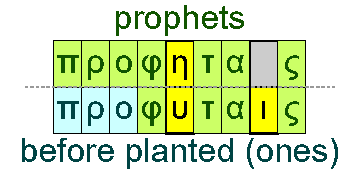
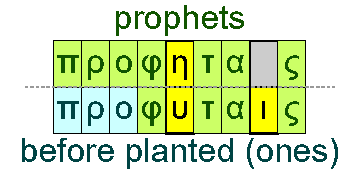
"προφήτης" ≈ "speaker for a god" as in a "prophet"
"πρόβατα" ≈ "sheep" "before" and "walk" as in "walking" "before" in "righteousness".
"φυτόν" ≈ "plant, tree, creature" and "φῠτοῖς" ≈ "plants" (dative plural).
"φύω" ≈ "bring forth, produce, cause to grow".
The play on words is then
"prophet" with a
"newly planted" "
babe" who "
walks" "
before".
23. Matthew 23:34 Newly planted
Matthew 23:34 Wherefore, behold, I send unto you prophets, and wise men, and scribes: and some of them ye shall kill and crucify; and some of them shall ye scourge in your synagogues, and persecute them from city to city: [kjv]
"προφήτας" ≈ "prophets".
"προ" ≈ "before" and "φῠτοῖς" ≈ "plants" as in "planted" "before".
Discuss:
Has anyone claimed that since Jesus says he will send "prophets" that you can be one of the "elect" "prophets" and have a special part of the kingdom?
If what Jesus says is a play on words, can there be problems with making a deep theological point about what was said?
24. Matthew 23:34 Kill the newly planted
Matthew 23:34 Wherefore, behold, I send unto you prophets, and wise men, and scribes: and some of them ye shall kill and crucify; and some of them shall ye scourge in your synagogues, and persecute them from city to city: [kjv]
δια τουτο ιδου εγω αποστελλω προς υμας προφητας και σοφους και γραμματεις και εξ αυτων αποκτενειτε και σταυρωσετε και εξ αυτων μαστιγωσετε εν ταις συναγωγαις υμων και διωξετε απο πολεως εις πολιν [gnt]
The play on words is then
"prophet" with a
"newly planted" "
babe" who "
walks" "
before". Will these
"newly planted" "
babes" be "
killed"? By whom will they be "
killed"? What will be "
killed".
☐ "
body" but
not the "
soul" (persecution).
☐ "
body" and also the "
soul" (through deception).
In both cases, the "
body" is "
killed". In one case, the "
soul" in addition is "
killed".
25. Matthew 10:28 Soul and body
Matthew 10:28 And fear not them which kill the body, but are not able to kill the soul: but rather fear him which is able to destroy both soul and body in hell. [kjv]
και μη φοβηθητε φοβεισθε απο των αποκτεινοντων το σωμα την δε ψυχην μη δυναμενων αποκτειναι φοβηθητε φοβεισθε δε μαλλον τον δυναμενον και ψυχην και σωμα απολεσαι εν γεεννη [gnt]
Jesus tells us that the "
body" and the "
soul" are different. Jesus tells us who we should
"fear" and it is not
"fear" about the
cares and
concerns of this world. The most dangerous attacks are not from the outside but from the inside and involve
deception.
One cannot "
destroy the soul" by
"killing" the body is in persecution (e.g., by the Roman administrations). The primary way to
"destroy" the "
soul" is through
deception so that you "
sell yourself out" or are "
sold out".
Jesus provides an example in the
next verse.
26. Matthew 10:29-31 Soul and body
Matthew 10:29 Are not two sparrows sold for a farthing? and one of them shall not fall on the ground without your Father. [kjv]
ουχι δυο στρουθια ασσαριου πωλειται και εν εξ αυτων ου πεσειται επι την γην ανευ του πατρος υμων [gnt]
10:30 But the very hairs of your head are all numbered. [kjv]
υμων δε και αι τριχες της κεφαλης πασαι ηριθμημεναι εισιν [gnt]
10:31 Fear ye not therefore, ye are of more value than many sparrows. [kjv]
μη ουν φοβηθητε φοβεισθε πολλων στρουθιων διαφερετε υμεις [gnt]
Discuss: [killing me softly with his song]
How might "sparrows" (birds of the evil one) deceive to "destroy the soul" in order to achieve "earthly gain" (money) by "selling out"?
Do "sparrows" succeed because those being deceived do not "understand"? This is what Jesus says of the birds in the Parable of the Sower in Matthew 13.
Have those "deceived" separated themselves from the love of Christ?
27. Matthew 23:34 Newly planted
Matthew 23:34 Wherefore, behold, I send unto you prophets, and wise men, and scribes: and some of them ye shall kill and crucify; and some of them shall ye scourge in your synagogues, and persecute them from city to city: [kjv]
δια τουτο ιδου εγω αποστελλω προς υμας προφητας και σοφους και γραμματεις και εξ αυτων αποκτενειτε και σταυρωσετε και εξ αυτων μαστιγωσετε εν ταις συναγωγαις υμων και διωξετε απο πολεως εις πολιν [gnt]
Will these
"newly planted" "
babes" be
"scourged" "
in" the
"synagogue"? By whom will they be
"scourged" "
in" the
"synagogue"?
A play on words of
"synagogue" is that of "
going" "
together" on the "
earth".
"συναγωγή" ≈ "gathering" and is the source of the English word "synagogue"
"συν" ≈ "together" and "αγω" ≈ "go"and "γη" ≈ "earth".
28. Strongs - scourge
*G3146 *7 μαστιγόω (mas-tig-o'-o) : from G3148; to flog (literally or figuratively):--scourge.
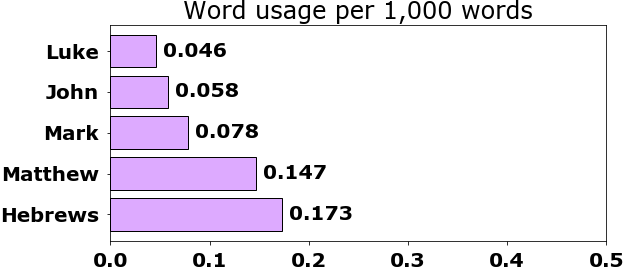 |
Words: εμαστιγωσεν μαστιγοι μαστιγωσαι μαστιγωσαντες μαστιγωσετε μαστιγωσουσιν=2
|
The
ancient Greek word
"μάστιξ" ≈ "whip, scourge" and, in a figurative sense,
"lash of eloquence". As a verb it is
"μαστιγόω" ≈ "whip, scourge". From these words comes the English word
"masochist" - made popular by the secular and atheist founder of modern psychology Sigmund Freud (1856-1939).
Has any Catholic ever made a joke about self-inflicting pain by being addicted to Mass as a
"masochist"?
29. Usage - scourge
- *G3146 *7 μαστιγόω (mas-tig-o'-o) : from G3148; to flog (literally or figuratively):--scourge.
- μαστιγωσουσιν *2
- Matthew 10:17 ... up to the councils, and they will scourge you in their synagogues;
- Mark 10:34 And they shall mock him, and shall scourge him, and shall spit upon ...
- μαστιγωσαι
- Matthew 20:19 ... to mock, and to scourge, and to crucify him: and ...
- μαστιγωσετε
- Matthew 23:34 ... and some of them shall ye scourge in your synagogues, ...
- μαστιγωσαντες
- Luke 18:33 And they shall scourge him, and put him to death: and ...
- εμαστιγωσεν
- John 19:1 ... took Jesus, and scourged him.
- μαστιγοι
- Hebrews 12:6 ... loveth he chasteneth, and scourgeth every son whom he receiveth.
30. Matthew 23:34 Sermoned to death
Matthew 23:34 Wherefore, behold, I send unto you prophets, and wise men, and scribes: and some of them ye shall kill and crucify; and some of them shall ye scourge in your synagogues, and persecute them from city to city: [kjv]
δια τουτο ιδου εγω αποστελλω προς υμας προφητας και σοφους και γραμματεις και εξ αυτων αποκτενειτε και σταυρωσετε και εξ αυτων μαστιγωσετε εν ταις συναγωγαις υμων και διωξετε απο πολεως εις πολιν [gnt]
The
ancient Greek word
"μάστιξ" ≈ "whip, scourge" and, in a figurative sense,
"lash of eloquence". As a verb it is
"μαστιγόω" ≈ "whip, scourge". From these words comes the English word
"masochist" - made popular by the secular and atheist founder of modern psychology Sigmund Freud (1856-1939).
31. Matthew 23:34 Massive sermons
Matthew 23:34 Wherefore, behold, I send unto you prophets, and wise men, and scribes: and some of them ye shall kill and crucify; and some of them shall ye scourge in your synagogues, and persecute them from city to city: [kjv]
δια τουτο ιδου εγω αποστελλω προς υμας προφητας και σοφους και γραμματεις και εξ αυτων αποκτενειτε και σταυρωσετε και εξ αυτων μαστιγωσετε εν ταις συναγωγαις υμων και διωξετε απο πολεως εις πολιν [gnt]
Can the
"scourging" be figurative? It is tempting to use the modern English word "
mass" and the Greek word prefix and say they will be, in the Catholic sense,
"massed" in the
"synagogue" as in, using modern terms,
"sermoned" in the
"pews". That is a figurative idea of being
"scourged" "
in" the
"synagogue".
32. Strongs - wise
*G4680 *20 σοφός (sof-os') : akin to saphes (clear); wise (in a most general application):--wise. Compare G5429.
 |
Words: σοφοι=3 σοφοις σοφος=6 σοφους=4 σοφω σοφων=4 σοφωτερον
|
The ancient Greek word
"σοφός" ≈ "clever, cunning" and is often translated as the English word
"wise".
Jesus uses the exact word
"σοφους" ≈ "clever/cunning ones" one time in the
GNT (Greek New Testament), in Matthew 23:34. Jesus does not use the Greek word translated
"wise" in a good sense.
33. Usage - wise
- *G4680 *20 σοφός (sof-os') : akin to saphes (clear); wise (in a most general application):--wise. Compare G5429.
- σοφους *4 of 20
- Matthew 23:34 ... you prophets, and wise men, and scribes: and ...
- Romans 16:19 ... but yet I would have you wise unto that which is good, and ...
- 1 Corinthians 1:27 ... of the world to confound the wise; and God hath chosen ...
- 1 Corinthians 3:19 ... For it is written, He taketh the wise in their own craftiness.
34. Matthew 23:34 And wise ones
Matthew 23:34 Wherefore, behold, I send unto you prophets, and wise men, and scribes: and some of them ye shall kill and crucify; and some of them shall ye scourge in your synagogues, and persecute them from city to city: [kjv]
δια τουτο ιδου εγω αποστελλω προς υμας προφητας και σοφους και γραμματεις και εξ αυτων αποκτενειτε και σταυρωσετε και εξ αυτων μαστιγωσετε εν ταις συναγωγαις υμων και διωξετε απο πολεως εις πολιν [gnt]
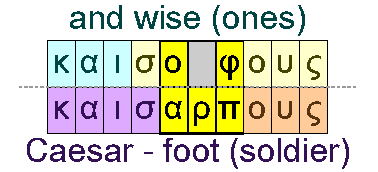
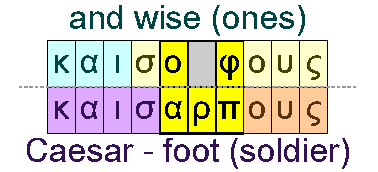
"και" ≈ "and" "σοφους" ≈ "clever/cunning ones"
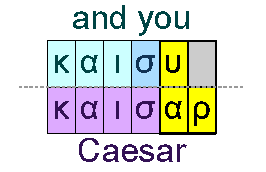
"Καῖσαρ" ≈ "Caesar" and "πούς" ≈ "foot" and, in military terms, a "foot" soldier.
A
"foot" soldier of
"Caesar" could both
"crucify" someone and
"pursue" from "
city" "
into" "
city". Both of these would happen in the Jewish Revolt (66-70 AD).
35. Matthew 11:23
Matthew 11:23 And thou, Capernaum, which art exalted unto heaven, shalt be brought down to hell: for if the mighty works, which have been done in thee, had been done in Sodom, it would have remained until this day. [kjv]
και συ καπερναουμ η καφαρναουμ μη εως του ουρανου υψωθεισα υψωθηση εως αδου καταβιβασθηση καταβηση οτι ει εν σοδομοις εγενοντο εγενηθησαν αι δυναμεις αι γενομεναι εν σοι εμειναν εμεινεν αν μεχρι της σημερον [gnt]
Why is the
"and" "you" (singular) needed at the start of this verse?
"και" ≈ "and" and "συ" ≈ "you" (singular).
"Καῖσαρ" ≈ "Caesar" from the Latin word "Caesar" ≈ "Caesar".
Later, the hard "
k" or "
c" sound, as in the German word
"Kaiser" ≈ "Caesar", became a soft "
c". The transition sound is the Russian
"czar"
In this and the following play on words, think of a Boston accent where the "
r" sound is minimized.
36. Matthew 23:34
Matthew 23:34 Wherefore, behold, I send unto you prophets, and wise men, and scribes: and some of them ye shall kill and crucify; and some of them shall ye scourge in your synagogues, and persecute them from city to city: [kjv]
δια τουτο ιδου εγω αποστελλω προς υμας προφητας και σοφους και γραμματεις και εξ αυτων αποκτενειτε και σταυρωσετε και εξ αυτων μαστιγωσετε εν ταις συναγωγαις υμων και διωξετε απο πολεως εις πολιν [gnt]
The
KJV translates as
"persecute" the Greek word that means
"pursue". In context, it can mean
"persecute" as in
"go after".
What has happened in the past will invariably, due to human nature, happen in the future. Which Bible
"scribes" or "
translators" were, historically, "
persecuted",
"scourged" or "
killed"?
37. Matthew 23:34
KJV: Wherefore, behold, I send unto you prophets, and wise men, and scribes: and some of them ye shall kill and crucify; and some of them shall ye scourge in your synagogues, and persecute them from city to city:
Greek: δια τουτο ιδου εγω αποστελλω προς υμας προφητας και σοφους και γραμματεις και εξ αυτων αποκτενειτε και σταυρωσετε και εξ αυτων μαστιγωσετε εν ταις συναγωγαις υμων και διωξετε απο πολεως εις πολιν
38. Philippians 3:6,14 Pursing persecution
The ancient Greek word
"διώκω" ≈ "pursue" in the sense of
"going after" or, in
context,
"persecuting". The Greek word "
blameless" is "
without spots".
Philippians 3:6 Concerning zeal, persecuting the church; touching the righteousness which is in the law, blameless. [kjv]
κατα ζηλον ζηλος διωκων την εκκλησιαν κατα δικαιοσυνην την εν νομω γενομενος αμεμπτος [gnt]
Paul was
"pursuing" in the
wrong direction in a
"physical" way according to
man's "righteousness". The Greek for "
zeal" is that of "
competing with others for the same goal".
Paul is now
"pursuing" (same word) in the
right direction in a
"non-physical" way.
3:14 I press toward the mark for the prize of the high calling of God in Christ Jesus. [kjv]
κατα σκοπον διωκω επι εις το βραβειον της ανω κλησεως του θεου εν χριστω ιησου [gnt]
39. Luke 11:49 Sending of sent ones
Luke 11:49 Therefore also said the wisdom of God, I will send them prophets and apostles, and some of them they shall slay and persecute: [kjv]
δια τουτο και η σοφια του θεου ειπεν αποστελω εις αυτους προφητας και αποστολους και εξ αυτων αποκτενουσιν και εκδιωξουσιν διωξουσιν [gnt]
Matthew uses
"wise men" while, years later, those interviewed by Luke appear to have said the
"wisdom" of "
God". Luke changes
"scribes" to "
apostles". Luke literally means:
... I will send you ... sent ones .... Had the word for "
sent ones" became a special word "
apostles" by this time?
An "apostle" is one who is "sent" with a message.
An "Apostle" is one who personally knew Jesus and was "sent" with a message by Jesus.
The church has traditionally narrowed words to elevate people to be part of the
"elect" or
"chosen" in a special way.
40. Matthew 10:3 Matthew the tax collector
Matthew 10:3 Philip, and Bartholomew; Thomas, and Matthew the publican; James the son of Alphaeus, and Lebbaeus, whose surname was Thaddaeus; [kjv]
φιλιππος και βαρθολομαιος θωμας και ματθαιος μαθθαιος ο τελωνης ιακωβος ο του αλφαιου και λεββαιος ο επικληθεις θαδδαιος [gnt]
Matthew was one of the twelve disciples of Jesus. The book of
Matthew is assumed to have been written by him.
"Ματταῖος" ≈ "Matthew" or "Ματθαῖος" ≈ "Matthew".
The Greek word comes from the Hebrew/Aramaic word
"מתי" (mattay) ≈ "Matthew" which means, literally, "
gift of the Lord" . Is the book of "
Matthew" a "
gift of the Lord"?
Matthew worked for the
Romans. The Latin word
"Matthaeus" ≈ "Matthew". A good tax collector would have had multiple language skills, reading and writing skills, shorthand skills, a good memory, attention to detail, etc.
41. Matthew 10:3
KJV: Philip, and Bartholomew; Thomas, and Matthew the publican; James the son of Alphaeus, and Lebbaeus, whose surname was Thaddaeus;
Greek: φιλιππος και βαρθολομαιος θωμας και ματθαιος μαθθαιος ο τελωνης ιακωβος ο του αλφαιου και λεββαιος ο επικληθεις θαδδαιος
42. Punishment by Spoonerisms: switched consonants
A
Spoonerism, named for William
Spooner (1844-1930), switches consonants of words. Vowels can often be pronounced such as to sound similar.
It is kisstomary to cuss the bride.
The Lord is a shoving leopard.
Mardon me padam, This pie is occupewed. Please sew me to another sheet.
| shake a tower |
take a shower |
| runny babbit |
bunny rabbit |
| fight a liar |
light a fire |
From the comedy group
Capitol Steps (1980's):
Resident Pagan (President Reagan).
The same effect can be achieved in many languages, including Greek. [Caesar using Greek to encrypt Latin]
43. Matthew 23:34 Scribes
Matthew 23:34 Wherefore, behold, I send unto you prophets, and wise men, and scribes: and some of them ye shall kill and crucify; and some of them shall ye scourge in your synagogues, and persecute them from city to city: [kjv]
δια τουτο ιδου εγω αποστελλω προς υμας προφητας και σοφους και γραμματεις και εξ αυτων αποκτενειτε και σταυρωσετε και εξ αυτων μαστιγωσετε εν ταις συναγωγαις υμων και διωξετε απο πολεως εις πολιν [gnt]
The Greek for
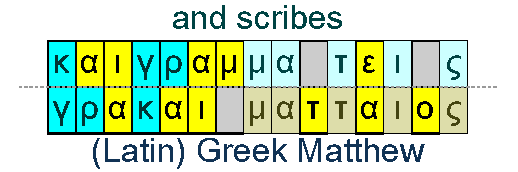
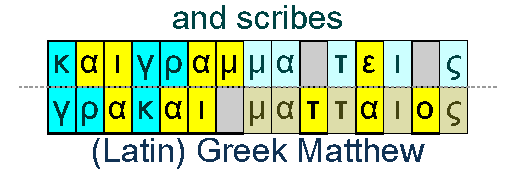
"and" "scribes" does not fit will with the rest of the verse. A play on words, with Spoonerism, is that of (transliterated) Latin "
Greek" and "
Matthew".
The Latin word
"Graecus" ≈ "Greek" and of uncertain origin. At that time, the Latin "
c" was a hard "
c" as in a "
k" sound. A Latin to Greek transliteration would be something like
"γραικους" ≈ "Greek" .
44. Matthew 23:34 Pigs but no birds
Matthew 23:34 Wherefore, behold, I send unto you prophets, and wise men, and scribes: and some of them ye shall kill and crucify; and some of them shall ye scourge in your synagogues, and persecute them from city to city: [kjv]
Perhaps the
"and" "scribes", which does not otherwise fit, is an authentication code that hints of the authorship of the Latin/Greek/Jew Matthew. Jesus could have dictated this without Matthew actually knowing it. That is, as in "
I was a poet, but didn't know it".
Note that Jesus does not send Pharisees in particular nor
"birds" in general. The
"birds" will be provided by the "
evil"
one as explained in the first kingdom parable, the parable of the sower.
[Other places: scribes and Pharisees][Knowledge of Matthew][procrastination, Mark Twain]
45. Matthew 23:34 Jest for fun punishment
Matthew 23:34 Wherefore, behold, I send unto you prophets, and wise men, and scribes: and some of them ye shall kill and crucify; and some of them shall ye scourge in your synagogues, and persecute them from city to city: [kjv]
| words |
play on words |
complexity |
type |
| prophets |
newly planted ones (sent) before |
simple |
good |
| and clever/cunning (ones) |
Caesar foot (soldiers) |
extended |
bad |
| and scribes |
Latin/Greek/Jew Matthew |
contorted |
ugly |
Punny paraphrase:
... I send you simple puns, extended puns, contorted puns. Out of them, the simple ones will kill you, the extended ones will crucify you, and the contorted ones will scourge (sting) you in your pews, and will pursue you from city (many) to city (many) (you will not be able to un-hear them.)
There are, then,
three play on words in sequence (as a third level meaning).
[tongue in cheek vs. tongue in check]
46. Matthew 23:35
Matthew 23:35 That upon you may come all the righteous blood shed upon the earth, from the blood of righteous Abel unto the blood of Zacharias son of Barachias, whom ye slew between the temple and the altar. [kjv]
οπως ελθη εφ υμας παν αιμα δικαιον εκχυνομενον εκχυννομενον επι της γης απο του αιματος αβελ του δικαιου εως του αιματος ζαχαριου υιου βαραχιου ον εφονευσατε μεταξυ του ναου και του θυσιαστηριου [gnt]
Jesus starts at
Abel, son of Adam and Eve and ends with "
Zacharias" son of Barachias. Who is this "
Zacharias"?
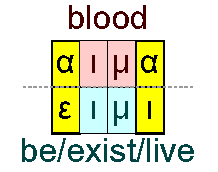
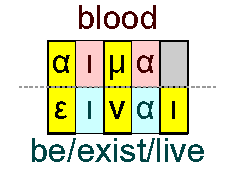
The ancient Greek word
"αἷμα" ≈ "blood" and is the source of the English word
"anemic".
47. Matthew 23:35
KJV: That upon you may come all the righteous blood shed upon the earth, from the blood of righteous Abel unto the blood of Zacharias son of Barachias, whom ye slew between the temple and the altar.
Greek: οπως ελθη εφ υμας παν αιμα δικαιον εκχυνομενον εκχυννομενον επι της γης απο του αιματος αβελ του δικαιου εως του αιματος ζαχαριου υιου βαραχιου ον εφονευσατε μεταξυ του ναου και του θυσιαστηριου
48. 2 Chronicles 24:20-21
2 Chronicles 24:20 And the Spirit of God came upon Zechariah the son of Jehoiada the priest, which stood above the people, and said unto them, Thus saith God, Why transgress ye the commandments of the LORD, that ye cannot prosper? because ye have forsaken the LORD, he hath also forsaken you. [kjv]
και πνευμα θεου ενεδυσεν τον αζαριαν τον του ιωδαε τον ιερεα και ανεστη επανω του λαου και ειπεν ταδε λεγει κυριος τι παραπορευεσθε τας εντολας κυριου και ουκ ευοδωθησεσθε οτι εγκατελιπετε τον κυριον και εγκαταλειψει υμας [lxx]
24:21 And they conspired against him, and stoned him with stones at the commandment of the king in the court of the house of the LORD. [kjv]
και επεθεντο αυτω και ελιθοβολησαν αυτον δι εντολης ιωας του βασιλεως εν αυλη οικου κυριου [lxx]
How do we know that "
Zechariah" was stoned between the "
temple" and the "
altar"? Is this the same person?
49. 2 Chronicles 24:20
KJV: And the Spirit of God came upon Zechariah the son of Jehoiada the priest, which stood above the people, and said unto them, Thus saith God, Why transgress ye the commandments of the LORD, that ye cannot prosper? because ye have forsaken the LORD, he hath also forsaken you.
Hebrew: ורוח אלהים לבשה את זכריה בן יהוידע הכהן ויעמד מעל לעם ויאמר להם כה אמר האלהים למה אתם עברים את מצות יהוה ולא תצליחו כי עזבתם את יהוה ויעזב אתכם׃
Greek: και πνευμα θεου ενεδυσεν τον αζαριαν τον του ιωδαε τον ιερεα και ανεστη επανω του λαου και ειπεν ταδε λεγει κυριος τι παραπορευεσθε τας εντολας κυριου και ουκ ευοδωθησεσθε οτι εγκατελιπετε τον κυριον και εγκαταλειψει υμας
50. 2 Chronicles 24:21
KJV: And they conspired against him, and stoned him with stones at the commandment of the king in the court of the house of the LORD.
Hebrew: ויקשרו עליו וירגמהו אבן במצות המלך בחצר בית יהוה׃
Greek: και επεθεντο αυτω και ελιθοβολησαν αυτον δι εντολης ιωας του βασιλεως εν αυλη οικου κυριου
Brenton: And they conspired against him, and stoned him by command of king Joas in the court of the Lord's house.
51. Strongs - between
52. Usage - between
- *G3342 *9 μεταξύ (met-ax-oo') : from G3326 and a form of G4862; betwixt (of place or person); (of time) as adjective, intervening, or (by implication) adjoining:--between, mean while, next.
- μεταξυ *9
- Matthew 18:15 ... tell him his fault between thee and him ...
- Matthew 23:35 ... of Barachias, whom ye slew between the temple and the altar.
- Luke 11:51 ... the blood of Zacharias, which perished between the altar and the temple: ...
- Luke 16:26 And beside all this, between us and you ...
- John 4:31 In the mean while his disciples prayed him, saying, ...
- Acts 12:6 ... Peter was sleeping between two soldiers, bound ...
- Acts 13:42 ... words might be preached to them the next sabbath.
- Acts 15:9 And put no difference between us and them, ...
- Romans 2:15 ... also bearing witness, and their thoughts the mean while accusing or else excusing one another;)
53. Matthew 23:35
54. Abel to Zacharias between the temple and the altar
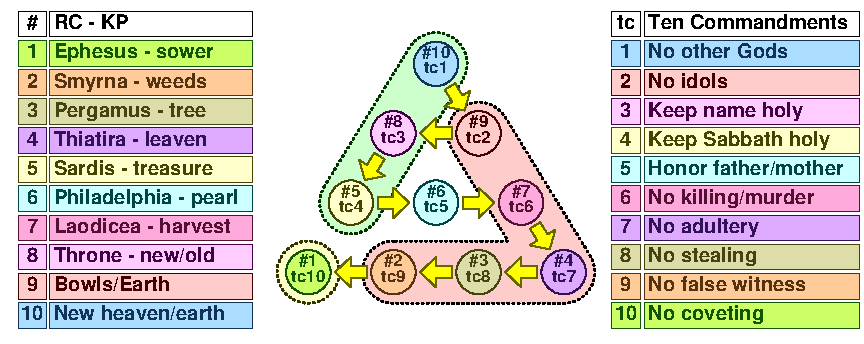
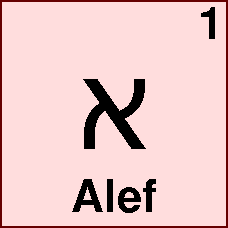
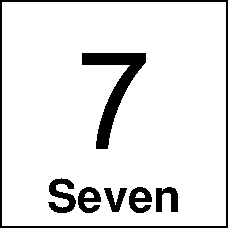
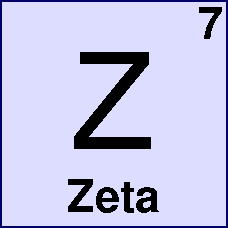
Interesting: Abel starts at node #1 (TC 1: no coveting). until Zechariah at node #7 (TC 6: no killing) between node #4, the temple (TC 4: no adultery), and #9, the altar (TC 2: no idols). [arms/hands as pigs, play on words with Barachias]
|
| Greek numbering |
| 1 |
Α |
α |
A |
Abel (no covet) |
| 2 |
Β |
β |
B |
|
| 3 |
Γ |
γ |
C |
|
| 4 |
Δ |
δ |
D |
(temple)(no adultery) |
| 5 |
Ε |
ε |
E |
|
| 6 |
* |
* |
F |
(digamma) |
| 7 |
Ζ |
ζ |
Z |
Zachariah (no killing) |
| 8 |
Η |
η |
|
|
| 9 |
Θ |
θ |
|
(altar)(no idols) |
| 10 |
Ι |
ι |
|
|
|
55. 2 Chronicles 24:20 Zachariah
2 Chronicles 24:20 And the Spirit of God came upon Zechariah the son of Jehoiada the priest, which stood above the people, and said unto them, Thus saith God, Why transgress ye the commandments of the LORD, that ye cannot prosper? because ye have forsaken the LORD, he hath also forsaken you. [kjv]
και πνευμα θεου ενεδυσεν τον αζαριαν τον του ιωδαε τον ιερεα και ανεστη επανω του λαου και ειπεν ταδε λεγει κυριος τι παραπορευεσθε τας εντολας κυριου και ουκ ευοδωθησεσθε οτι εγκατελιπετε τον κυριον και εγκαταλειψει υμας [lxx]
Some associate
"Zacharias" in Matthew 23:36 with the
"Zechariah" in 2 Chronicles 24:20-21. Jesus and Matthew quote from the
LXX (Septuagint) and, in the
LXX,
"Zachariah" in Greek starts with an "
A" and not a "
Z". This
breaks the TenWordPin model correspondence. Does it break other opinions on the source of the
"Zachariah" to which Jesus is referring?
56. 2 Chronicles 24:21
2 Chronicles 24:21 And they conspired against him, and stoned him with stones at the commandment of the king in the court of the house of the LORD. [kjv]
και επεθεντο αυτω και ελιθοβολησαν αυτον δι εντολης ιωας του βασιλεως εν αυλη οικου κυριου [lxx]
57. Matthew 23:36 All these things
Matthew 23:36 Verily I say unto you, All these things shall come upon this generation. [kjv]
αμην λεγω υμιν ηξει ταυτα παντα επι την γε2νεαν ταυτην [gnt]
What are
"all" "these" things?
"γενεά" ≈ "birth, race, generation, offspring".
"γη" ≈ "earth" and from which come the English words "geometry", "geology", etc.
"νέᾰ" ≈ "young, new, fresh" (nominative or accusative singular feminine or neuter plural) from "νέος" ≈ "young, new, fresh".
[new earth/age, date setting predictions]
The next chapter, four verses away, is the Olivet Discourse - historically about the End Times.
58. Matthew 23:36
KJV: Verily I say unto you, All these things shall come upon this generation.
Greek: αμην λεγω υμιν ηξει ταυτα παντα επι την γενεαν ταυτην
59. Matthew 23:38-39 House of oppressed believers
Matthew 23:38 Behold, your house is left unto you desolate. [kjv]
ιδου αφιεται υμιν ο οικος υμων ερημος [gnt]
23:39 For I say unto you, Ye shall not see me henceforth, till ye shall say, Blessed is he that cometh in the name of the Lord. [kjv]
λεγω γαρ υμιν ου μη με ιδητε απ αρτι εως αν ειπητε ευλογημενος ο ερχομενος εν ονοματι κυριου [gnt]
Paraphrase:
I say to you, you will not (potentially and actually) see (with understanding) me (what I have been saying) from now until you say, blessed (as a good word, not as in happy) is the one (house of believers who you have been oppressing) who comes (to truly worship) in the name of the Lord.
As the last verse in chapter 23, this meaning fits well everything Jesus says before (in Matthew 23) and after (in Matthew 24). This is not, however, the traditional meaning of this verse. Why might that be?
When might the religious elite start to cooperate, on an equal level, with those they are (deceptively) oppressing (for their own benefit)?
60. Matthew 24:1-2 Paraphrase
Matthew 24:1 And Jesus went out, and departed from the temple: and his disciples came to him for to shew him the buildings of the temple. [kjv]
24:2 And Jesus said unto them, See ye not all these things? verily I say unto you, There shall not be left here one stone upon another, that shall not be thrown down. [kjv]
Paraphrase:
24:1. And Jesus went out from the temple and his disciples came. Show (demonstrate, example) us (with respect to) it (the house. people worshiping) the edification/building (purpose) of the temple! 24:2 So Jesus answered and said to them. Do not look at these at all. Amen, I say to you (connect the dots). There will not be forgiven in this way (as done here) one stone (piece of sand) on/against stone (piece of sand) that will not be dissolved (as a residence). Perhaps, using to one cookie rule, none of these pieces of sand will be thrown down
forever.
This partially answers the questions of the disciples. Some will come back with the same questions for a more private answer. They do not want to look stupid in front of the other disciples.
61. Matthew 24:3 Olivet Discourse
Matthew 24:3 And as he sat upon the mount of Olives, the disciples came unto him privately, saying, Tell us, when shall these things be? and what shall be the sign of thy coming, and of the end of the world? [kjv]
καθημενου δε αυτου επι του ορους των ελαιων προσηλθον αυτω οι μαθηται κατ ιδιαν λεγοντες ειπε ειπον ημιν ποτε ταυτα εσται και τι το σημειον της σης παρουσιας και της συντελειας του αιωνος [gnt]
Paraphrase:
... Tell us, when will what you have just been saying be. That is, when will the religious establishment acknowledge what you have been saying about oppressing the believers at the bottom? When shall this cooperative effort take place into the ages?
Jesus then follows with an extended discourse. The apparent meaning of this extended discourse, called the Olivet Discourse, is that the cooperation that should happen will
never happen into the ages until the final end of time (as we know it) when heaven and earth will pass by. It will happen when pigs fly!
62. End of page