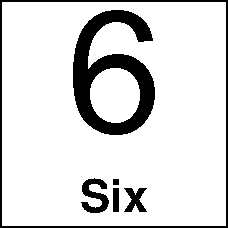
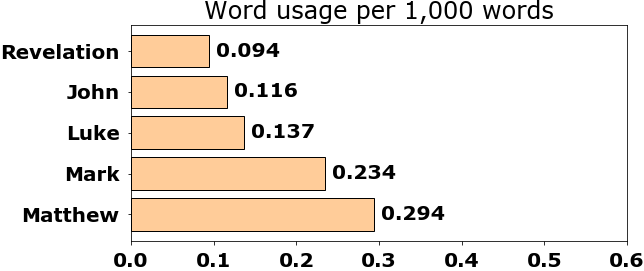
- *G2083 *3 ἑταίρος (het-ah'-ee-ros) : from etes (a clansman); a comrade:--fellow, friend.
- εταιρε *3
- Matthew 20:13 ... one of them, and said, Friend, I do thee no ...
- Matthew 22:12 And he saith unto him, Friend, how camest thou in hither ...
- Matthew 26:50 And Jesus said unto him, Friend, wherefore art thou come? Then ...
 |
Words: εταιρε=3
|
The ancient Greek word
"ἑταιρεία" ≈ "association, company, band". The modern Greek word
"εταιρεία" (eh-teh-REE-a) ≈ "association, society, company".
96. Matthew 20:13 Now friend
Matthew 20:13 But he answered one of them, and said, Friend, I do thee no wrong: didst not thou agree with me for a penny? [kjv]
ο δε αποκριθεις ενι αυτων ειπεν εταιρε ουκ αδικω σε ουχι δηναριου συνεφωνησας μοι [gnt]
"ἑταῖρε" ≈ "comrade, friend"
"ἑταίρα" ≈ "courtesan, escort, prostitute"
Jesus does not use the word
"friend" in a good sense. The ancient Greek word
"ἑταιρεία" ≈ "association, company, band". The modern Greek word
"εταιρεία" (eh-teh-REE-a) ≈ "association, society, company".
This is
not the ancient Greek word
"φίλος" ≈ "that which is loved or important, friend" as in "
Philadelphia" as "
love of brothers" or "
brotherly love".
[business deals]
97. Matthew 20:13 Wrong
Matthew 20:13 But he answered one of them, and said, Friend, I do thee no wrong: didst not thou agree with me for a penny? [kjv]
ο δε αποκριθεις ενι αυτων ειπεν εταιρε ουκ αδικω σε ουχι δηναριου συνεφωνησας μοι [gnt]
The Greek word for
"wrong" is that of the
negation of "
righteousness" as in
"unrighteousness".
98. Matthew 20:13 Agreement
Matthew 20:13 But he answered one of them, and said, Friend, I do thee no wrong: didst not thou agree with me for a penny? [kjv]
ο δε αποκριθεις ενι αυτων ειπεν εταιρε ουκ αδικω σε ουχι δηναριου συνεφωνησας μοι [gnt]
The ancient Greek word
"συμφωνία" ≈ "agreement" and comes from the words for
"same voice". The English word
"symphony" cames from a group of people with the
"same voice".
The ancient Greek word
"φωνή" ≈ "voice, sound" comes from the ancient Greek word
"φως" ≈ "light" and the ancient Greek word
"νους" ≈ "mind". That is, a
"sound" or
"voice" is "
light" into the "
mind".
The ancient Greek word
"ἔχω" ≈ "have, hold".
The modern Greek word
"ούχι" (U-khee) ≈ "no" comes from the idea of "
I do not have it" or "
not have it" where the ancient Greek word
"ου" ≈ "not".
The Russian word
"нет" (nyet) ≈ "no" comes from the idea of "
I do not have it" or "
not have it".
99. Matthew 20:13
KJV: But he answered one of them, and said, Friend, I do thee no wrong: didst not thou agree with me for a penny?
Greek: ο δε αποκριθεις ειπεν ενι αυτων ειπεν εταιρε ουκ αδικω σε ουχι δηναριου συνεφωνησας μοι
100. Matthew 20:14 Go away
Matthew 20:14 Take that thine is, and go thy way: I will give unto this last, even as unto thee. [kjv]
αρον το σον και υπαγε θελω δε τουτω τω εσχατω δουναι ως και σοι [gnt]
The ancient Greek word
"ὑπάγω" ≈ "bring under, go slowly away" and is, literally,
"lead under" and comes from two Greek words.
"ὕπο" ≈ "under".
"ἄγω" ≈ "lead".
The usage in the
GNT appears to be that of
"go away".
101. Strongs - take
*G142 *101 αἴρω (ah'-ee-ro) : a primary root; to lift up; by implication, to take up or away; figuratively, to raise (the voice), keep in suspense (the mind), specially, to sail away (i.e. weigh anchor); by Hebraism (compare H5375) to expiate sin:--away with, bear (up), carry, lift up, loose, make to doubt, put away, remove, take (away, up).
 |
Words: αιρε=3 αιρει=8 αιρεις=2 αιρεται αιρετε αιρομενον αιροντος=2 αιρων=2 αιρωσιν αραι=6 αραντες=2 αρας=5 αρατε=5 αρατω=4 αρη=5 αρης αρθη αρθησεται=6 αρθητι=2 αρθητω αρθωσιν αρον=10 αρουσιν=4 αρω ηραν=13 ηρατε=3 ηρεν=5 ηρθη=3 ηρκεν ηρμενον
|
102. Matthew 20:14 Take
Matthew 20:14 Take that thine is, and go thy way: I will give unto this last, even as unto thee. [kjv]
αρον το σον και υπαγε θελω δε τουτω τω εσχατω δουναι ως και σοι [gnt]
It appears from what Jesus says that the only thing you are to
"take" is your "
cross" and "
follow" him.
To avoid having a code word misinterpreted, Jesus here uses another Greek word that means
"take"
103. Matthew 9:6 Take up a bed
Matthew 9:6 But that ye may know that the Son of man hath power on earth to forgive sins, (then saith he to the sick of the palsy,) Arise, take up thy bed, and go unto thine house. [kjv]
ινα δε ειδητε οτι εξουσιαν εχει ο υιος του ανθρωπου επι της γης αφιεναι αμαρτιας τοτε λεγει τω παραλυτικω εγειρε αρον σου την κλινην και υπαγε εις τον οικον σου [gnt]
104. Matthew 9:6
KJV: But that ye may know that the Son of man hath power on earth to forgive sins, (then saith he to the sick of the palsy,) Arise, take up thy bed, and go unto thine house.
Greek: ινα δε ειδητε οτι εξουσιαν εχει ο υιος του ανθρωπου επι της γης αφιεναι αμαρτιας τοτε λεγει τω παραλυτικω εγερθεις εγειρε αρον σου την κλινην και υπαγε εις τον οικον σου
105. Matthew 17:27 Take up a fish
Matthew 17:27 Notwithstanding, lest we should offend them, go thou to the sea, and cast an hook, and take up the fish that first cometh up; and when thou hast opened his mouth, thou shalt find a piece of money: that take, and give unto them for me and thee. [kjv]
ινα δε μη σκανδαλισωμεν αυτους πορευθεις εις θαλασσαν βαλε αγκιστρον και τον αναβαντα πρωτον ιχθυν αρον και ανοιξας το στομα αυτου ευρησεις στατηρα εκεινον λαβων δος αυτοις αντι εμου και σου [gnt]
106. Matthew 17:27
KJV: Notwithstanding, lest we should offend them, go thou to the sea, and cast an hook, and take up the fish that first cometh up; and when thou hast opened his mouth, thou shalt find a piece of money: that take, and give unto them for me and thee.
Greek: ινα δε μη σκανδαλισωμεν αυτους πορευθεις εις την θαλασσαν βαλε αγκιστρον και τον αναβαντα πρωτον ιχθυν αρον και ανοιξας το στομα αυτου ευρησεις στατηρα εκεινον λαβων δος αυτοις αντι εμου και σου
107. Matthew 20:14 Observations
Matthew 20:14 Take that thine is, and go thy way: I will give unto this last, even as unto thee. [kjv]
αρον το σον και υπαγε θελω δε τουτω τω εσχατω δουναι ως και σοι [gnt]
Discuss:
Are there those who have not been "hired"?
Everyone "hired" receives the same "wage". This is discrete or digital, zero or one, pass or fail.
There is no mention of amount of "work" in the "vineyard".
There is no mention of quality of "work" in the "vineyard".
It appears that everyone "hired" receives the one or pass and not the zero or fail.
108. Matthew 20:14 Comparisons
Matthew 20:14 Take that thine is, and go thy way: I will give unto this last, even as unto thee. [kjv]
αρον το σον και υπαγε θελω δε τουτω τω εσχατω δουναι ως και σοι [gnt]
Discuss the following.
How does the going into the "marketplace" to "hire" compare to the coupon of "grace" as an "offer"?
How does the "hiring" to "work" in the "vineyard" compare to the ticket of "salvation"?
"Salvation" has come to those in the "marketplace".
The ticket to enter the "vineyard" to "work" is used.
Do you need more than one ticket?
How might the
quantity and/or
quality of "
work" be evaluated? This question appears to be answered, in part, in other parables.
 |
Details are left as a future topic.
|
109. Raffle ticket to ride
110. Matthew 20:14
KJV: Take that thine is, and go thy way: I will give unto this last, even as unto thee.
Greek: αρον το σον και υπαγε θελω δε τουτω τω εσχατω δουναι ως και σοι
111. Matthew 20:15 Possibly allowed
Matthew 20:15 Is it not lawful for me to do what I will with mine own? Is thine eye evil, because I am good? [kjv]
ουκ εξεστιν μοι ο θελω ποιησαι εν τοις εμοις η ο οφθαλμος σου πονηρος εστιν οτι εγω αγαθος ειμι [gnt]
The Greek word translated as
"lawful" is that of
"allowed" or
"possible". The Greek does not indicate that what is done has to do with the "
law".
"ἔξεστι" ≈ "allowed, possible"
"νόμος" ≈ "custom, law" (opinion truth) as in "Deuteronomy" as in "second law". The Greek for "iniquity" is "against the law".
The Greek word translated as "
evil" is that of "
oppression (by toils)". What do "
evil" "
leaders" do? Jesus uses the Greek word for
"eye" as a code word for "
leader". Is there a "
leader" in the "
group" that is "
leading" this dissension?
112. TenWordPin summary
The parable of the vineyard workers can be compared with the kingdom parables in Matthew 13 using the TenWordPin model.
There are five hours, in a manner similar to five loaves (of bread).
There are the before and after, for two, in a manner similar to the two fish.
The word used for the one called "friend" (hour 1, complainer) is the same word as the one (few) without a wedding garment in the wedding feast two chapters later.
113. Matthew 6:22 Simple
114. Matthew 20:15
KJV: Is it not lawful for me to do what I will with mine own? Is thine eye evil, because I am good?
Greek: η ουκ εξεστιν μοι ποιησαι ο θελω ποιησαι εν τοις εμοις ει η ο οφθαλμος σου πονηρος εστιν οτι εγω αγαθος ειμι
115. Matthew 20:16 First and last
Matthew 20:16 So the last shall be first, and the first last: for many be called, but few chosen. [kjv]
ουτως εσονται οι εσχατοι πρωτοι και οι πρωτοι εσχατοι [gnt]
The ancient Greek word
"οὕτως" ≈ "thus" and indicates a conclusion from what has been said. One should look at what was said before this verse.
"πρῶτος" ≈ "first, earliest, most prominent, prime (number)" as in English words beginning with "proto".
"ἔσχατος" ≈ "farthest, most remote, last, final, extreme" and is the source of the English word "eschatology" as a "study of the end times".
Discuss:
Who are the "first"? Who are the "last"?
Who are those between the "first" and the "last"?
These questions appear to be answered, in part, at the end of the next chapter.
The
TR (Textus Receptus) adds "
many be called, but few chosen" which does not fit in this context and breaks the model.
[job versus profession]
116. Matthew 20:16
KJV: So the last shall be first, and the first last: for many be called, but few chosen.
Greek: ουτως εσονται οι εσχατοι πρωτοι και οι πρωτοι εσχατοι πολλοι γαρ εισιν κλητοι ολιγοι δε εκλεκτοι
117. Matthew 21:31-32 Desire of the Father 2
Matthew 21:31 Whether of them twain did the will of his father? They say unto him, The first. Jesus saith unto them, Verily I say unto you, That the publicans and the harlots go into the kingdom of God before you. [kjv]
τις εκ των δυο εποιησεν το θελημα του πατρος λεγουσιν ο υστερος λεγει αυτοις ο ιησους αμην λεγω υμιν οτι οι τελωναι και αι πορναι προαγουσιν υμας εις την βασιλειαν του θεου [gnt]
To support the earlier changes, the
TR changes the
"lagging behind" one to the
"first" one.
"θέλω" ≈ "want, wish, care to" or "ἐθέλω" ≈ "want, wish, care to".
"βούλομαι" ≈ "will, want".
Is
anyone going into the "
Kingdom of God"?
Is anyone going into the "Kingdom of God"? Who is not going in?
What is the difference between the "Kingdom of God" and the "Kingdom of heaven"?
118. Before and after
The following verses are immediately before (end of previous chapter) and at the end of the parable of the vineyard workers.
Matthew 19:30 But many that are first shall be last; and the last shall be first. [kjv]
πολλοι δε εσονται πρωτοι εσχατοι και εσχατοι πρωτοι [gnt]
This parable is in verses 1 to 16.
20:16 So the last shall be first, and the first last: for many be called, but few chosen. [kjv]
ουτως εσονται οι εσχατοι πρωτοι και οι πρωτοι εσχατοι [gnt]
The end of the next chapter appears to be connected where Jesus uses the example of the
"first" as the religious establishment as
"birds" and the
"last" as the "
harlots" and "
tax collectors".
The
TR adds "
many be called, but few chosen" in Matthew 20:16 which does not fit in this context and breaks the model.
119. Matthew 21: Logical analysis
Matthew 21:31 Whether of them twain did the will of his father? They say unto him, The first. Jesus saith unto them, Verily I say unto you, That the publicans and the harlots go into the kingdom of God before you. [kjv]
τις εκ των δυο εποιησεν το θελημα του πατρος λεγουσιν ο υστερος λεγει αυτοις ο ιησους αμην λεγω υμιν οτι οι τελωναι και αι πορναι προαγουσιν υμας εις την βασιλειαν του θεου [gnt]
Matthew uses
"kingdom" of
"God" and
not the
"kingdom" of
"heaven/air". Is there a difference? If so, is it important?
Many attribute this saying to
hyperbole or, essentially, an
opinion. A
logical analysis of this verse is that, with probability approaching certainty,
no religious elite who mislead the faithful for their own greatness will enter the
"kingdom" of
"God".
Who are the
"first"? Who are the
"last"? Who are the
"many"? Who are
not the
"many"?
120. Kingdom of heaven build
Jesus appears to make a
logical statement. If not, one can use
opinion to make it say many other things.
Are any of man's "
righteous" (without God) going in?
Sinners who have changed.
Sinners who have not changed.
Birds (religious elite) who have oppressed others. Are these the "first" that will be "last"? How many "sparrows" will fall without God?
Sinners who entered the Kingdom of God. Are these the "last" that will be "first"?
In particular, if there is even one tax collector or harlot that does not get into the kingdom of God, then neither do any of the religious elite to which Jesus refers.
121. Matthew 20:17-19
Matthew 20:17 And Jesus going up to Jerusalem took the twelve disciples apart in the way, and said unto them, [kjv]
μελλων δε αναβαινειν ιησους εις ιεροσολυμα παρελαβεν τους δωδεκα μαθητας κατ ιδιαν και εν τη οδω ειπεν αυτοις [gnt]
20:18 Behold, we go up to Jerusalem; and the Son of man shall be betrayed unto the chief priests and unto the scribes, and they shall condemn him to death, [kjv]
20:19 And shall deliver him to the Gentiles to mock, and to scourge, and to crucify him: and the third day he shall rise again. [kjv]
This ends this discourse. Jesus and the disciples now go up to Jerusalem. Jesus provides some prophecy as to what will happen.
122. Matthew 20:18
KJV: Behold, we go up to Jerusalem; and the Son of man shall be betrayed unto the chief priests and unto the scribes, and they shall condemn him to death,
Greek: ιδου αναβαινομεν εις ιεροσολυμα και ο υιος του ανθρωπου παραδοθησεται τοις αρχιερευσιν και γραμματευσιν και κατακρινουσιν αυτον θανατω
123. Matthew 20:19
KJV: And shall deliver him to the Gentiles to mock, and to scourge, and to crucify him: and the third day he shall rise again.
Greek: και παραδωσουσιν αυτον τοις εθνεσιν εις το εμπαιξαι και μαστιγωσαι και σταυρωσαι και τη τριτη ημερα αναστησεται εγερθησεται
124. Matthew 20:17
KJV: And Jesus going up to Jerusalem took the twelve disciples apart in the way, and said unto them,
Greek: και αναβαινων ο μελλων δε αναβαινειν ιησους εις ιεροσολυμα παρελαβεν τους δωδεκα μαθητας κατ ιδιαν και εν τη οδω και ειπεν αυτοις
125. End of page





 Many younger people today have trouble reading analog clocks. Would you want to use a second hand clock? Does anyone really know what time it is? (song by Robert Lamm, made popular by the music group Chicago).


 The Greek word for "reward" can be, in context, a play on words with the Greek word for "hate" or "hatred".
 The Greek word for "reward" can be, in context, a play on words with the Greek word for "hate" or "hatred".

 The Greek word for "reward" can be, in context, a play on words with the Greek word for "hate" or "hatred".
 The Greek word for "reward" can be, in context, a play on words with the Greek word for "hate" or "hatred".


 The ancient Greek word "ἀμπελών" ≈ "vineyard" and comes from "ἄμπελος" ≈ "vine, vineyard". It was also an engine for protecting in a siege.


 The ancient Greek word "ἀμπελών" ≈ "vineyard" and comes from "ἄμπελος" ≈ "vine, vineyard". It was also an engine for protecting in a siege.






 The negation of the Greek word for "work" is the ancient Greek word "αεργος" ≈ "not working, idle" which contracted to "αργος" ≈ "not working, idle" and is the source of the name for the chemical element "Argon" as a "lazy gas".




 In his On Sophistic Refutations, Aristotle says that from ancient times, nature (truth) and law (opinion) are opposites and that justice goes with the law (opinion) but not with nature (truth).

 Aristotle continues about "nature" as "truth" and "law" as "opinion".