Send Close Add comments: (status displays here)
Got it!  This site "creationpie.org" uses cookies. You consent to this by clicking on "Got it!" or by continuing to use this website.  Note: This appears on each machine/browser from which this site is accessed.
1 Thessalonians 4:1-18 Caught up in the rapture
by RS  admin@creationpie.org : 1024 x 640


1. 1 Thessalonians 4:1-18 Caught up in the rapture

2. Thessalonians

3. 1 Thessalonians 4:1-18 Caught up in the rapture
In 1 Thessalonians 4, Paul writes of what is called the "rapture". Jesus talks of this (at least) twice in the Gospels. Is what Paul says here the same thing as what Jesus says?

In all cases, the Latin word for "rapture" is not used in the GNT (Greek New Testament).

Here we look at the context of those verses by looking at the entire chapter.

4. 1 Thessalonians 4:1
1 Thessalonians 4:1 Furthermore then we beseech you, brethren, and exhort you by the Lord Jesus, that as ye have received of us how ye ought to walk and to please God, so ye would abound more and more. [kjv]
λοιπον ουν αδελφοι ερωτωμεν υμας και παρακαλουμεν εν κυριω ιησου ινα καθως παρελαβετε παρ ημων το πως δει υμας περιπατειν και αρεσκειν θεω καθως και περιπατειτε ινα περισσευητε μαλλον [gnt]

The ancient Greek word "μᾶλλον""rather" as in "rather than". In a comparison, in context, it could be "rather more". The modern Greek word "μάλλον" (MAL-lon) ≈ "rather, more precisely".

5. Paraclete
The English theological term "paraclete" comes from the ancient Greek word "παράκλητος""advocate" which comes from two Greek parts. The modern Greek word "παράκλητος" (pa-RA-klee-tos) ≈ "comforter" as in the Holy Spirit. This definition comes from the use of the Greek word in the GNT.

Information sign More: Calque: Advocate

6. 1 Thessalonians 4:1
 All 
KJV: Furthermore then we beseech you, brethren, and exhort you by the Lord Jesus, that as ye have received of us how ye ought to walk and to please God, so ye would abound more and more.
Greek: το λοιπον ουν αδελφοι ερωτωμεν υμας και παρακαλουμεν εν κυριω ιησου ινα καθως παρελαβετε παρ ημων το πως δει υμας περιπατειν και αρεσκειν θεω καθως και περιπατειτε ινα περισσευητε μαλλον

7. 1 Thessalonians 4:2
1 Thessalonians 4:2 For ye know what commandments we gave you by the Lord Jesus. [kjv]
οιδατε γαρ τινας παραγγελιας εδωκαμεν υμιν δια του κυριου ιησου [gnt]

The Greek for "commandments" is that of "announcements". The ancient Greek word "παραγγέλλω""pass on, transmit a message" and can, depending on context, be "to give orders" or "to encourage".

Information sign More: Matthew 10:38-42 Commanded to follow in the cross walk

8. 1 Thessalonians 4:2
 All 
KJV: For ye know what commandments we gave you by the Lord Jesus.
Greek: οιδατε γαρ τινας παραγγελιας εδωκαμεν υμιν δια του κυριου ιησου

9. 1 Thessalonians 4:3
1 Thessalonians 4:3 For this is the will of God, even your sanctification, that ye should abstain from fornication: [kjv]
τουτο γαρ εστιν θελημα του θεου ο αγιασμος υμων απεχεσθαι υμας απο της πορνειας [gnt]

The English words "abstain" and "fornication" in the KJV (King James Version) come from the Latin Vulgate which moves this phrase to the beginning of the next verse.

10. 1 Thessalonians 4:3
 All 
KJV: For this is the will of God, even your sanctification, that ye should abstain from fornication:
Greek: τουτο γαρ εστιν θελημα του θεου ο αγιασμος υμων απεχεσθαι υμας απο της πορνειας

11. 1 Thessalonians 4:4
1 Thessalonians 4:4 That every one of you should know how to possess his vessel in sanctification and honour; [kjv]
ειδεναι εκαστον υμων το εαυτου σκευος κτασθαι εν αγιασμω και τιμη [gnt]

Might the word for "acquire" have a double meaning in "prove fatal" (in this life)?

Information sign More: Matthew 12:29 Snatching the raptured goods from the strong man

12. Acts 8:20
Acts 8:20 But Peter said unto him, Thy money perish with thee, because thou hast thought that the gift of God may be purchased with money. [kjv]
πετρος δε ειπεν προς αυτον το αργυριον σου συν σοι ειη εις απωλειαν οτι την δωρεαν του θεου ενομισας δια χρηματων κτασθαι [gnt]
perditionempossideri [v]

The negative connotation of the verse does not appear to be in the Greek. To "obtain" that change in English, the "that you should know" is changed to "because you have thought". The Greek translated is "with" is that of "through" as in "diameter".

... that you should know that the gift of God: The Latin word "possideo""possess" and is the source of the English word "possess" and comes from two Latin words.

13. Strongs - thought

14. Usage - thought
*G3543 *15 νομίζω (nom-id'-zo) : from G3551; properly, to do by law (usage), i.e. to accustom (passively, be usual); by extension, to deem or regard:-- suppose, thing, be wont.
Word usage per chapter Words: ενομιζεν ενομιζετο ενομιζομεν ενομιζον ενομισαν ενομισας=1 νομιζει νομιζειν νομιζοντες νομιζοντων νομιζω νομιζων νομισαντες νομισητε=2


15. Matthew 10:8-9 Pursuing discussion
Matthew 10:8 Heal the sick, cleanse the lepers, raise the dead, cast out devils: freely ye have received, freely give. [kjv]
ασθενουντας θεραπευετε νεκρους εγειρετε λεπρους καθαριζετε δαιμονια εκβαλλετε δωρεαν ελαβετε δωρεαν δοτε [gnt]
10:9 Provide neither gold, nor silver, nor brass in your purses, [kjv]
μη κτησησθε χρυσον μηδε αργυρον μηδε χαλκον εις τας ζωνας υμων [gnt]

The ancient Greek word "κτῆσις""act of acquiring, ownership, taking" which, once obtained, becomes "property". The Greek "into" was translated as "in". Discuss: Why might the church not want you to have money to take along to spread the "Good News"? Provide any known historical examples of either case.

Information sign More: Martin Luther: before the event
Information sign More: Matthew 10:5-10 Possessing acquired purchases

16. Acts 8:20
   Acts 8:20 
 All 
KJV: But Peter said unto him, Thy money perish with thee, because thou hast thought that the gift of God may be purchased with money.
Greek: πετρος δε ειπεν προς αυτον το αργυριον σου συν σοι ειη εις απωλειαν οτι την δωρεαν του θεου ενομισας δια χρηματων κτασθαι
Latin: pecunia tua tecum sit in perditionem quoniam donum Dei existimasti pecunia possideri

17. Strongs - acquire
18. Usage - acquire
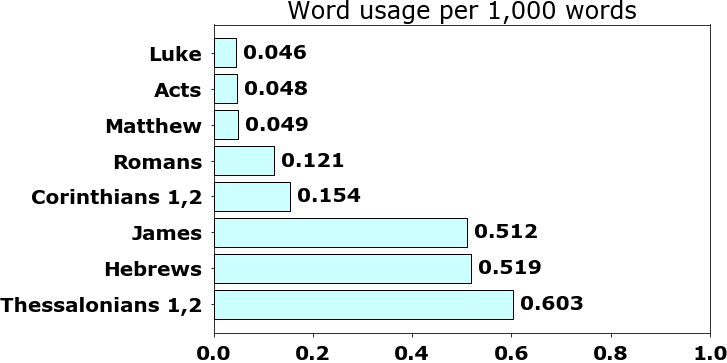
*G2932 *7 κτάομαι (ktah'-om-ahee) : a primary verb; to get, i.e. acquire (by any means; own):--obtain, possess, provide, purchase.
Word usage per chapter Words: εκτησαμην εκτησατο κτασθαι=2 κτησασθε κτησησθε κτωμαι

The Greek for "possess" is "κτάομαι""acquire". The ancient Greek word "κτασθαι""acquire" can also mean "κτασθαι""kill, prove fatal" from "κτείνω""kill, prove fatal".

19. 1 Thessalonians 4:4
 All 
KJV: That every one of you should know how to possess his vessel in sanctification and honour;
Greek: ειδεναι εκαστον υμων το εαυτου σκευος κτασθαι εν αγιασμω και τιμη

20. 1 Thessalonians 4:5
1 Thessalonians 4:5 Not in the lust of concupiscence, even as the Gentiles which know not God: [kjv]
μη εν παθει επιθυμιας καθαπερ και τα εθνη τα μη ειδοτα τον θεον [gnt]
passione desiderii … [v]

The Latin word "pasion""passion" and is the source of the English word "passion". The Greek translated "lust" appears to be that of "undergoing" or "experience" or "passiveness" as opposed to "doing".

"πάθος""experience, happening" and, later, "pain" and/or "suffering". This later meaning appears to have made it into the Latin.

The Greek word translated as "concupiscence",already has the idea of "lust". The Greek word translated as "lust" appears to say that they have become accustomed to passively being in their "concupiscence".

21. Matthew 5:4 Mourning
Matthew 5:4 Blessed are they that mourn: for they shall be comforted. [kjv]
μακαριοι οι πενθουντες οτι αυτοι παρακληθησονται [gnt]

Who are those that "mourn"? [suffer for Christ]

The ancient Greek word "πένθος""grief, sorrow, mourning, misery" and is cognate with "πάθος""experience, happening" and "πάσχω""undergo, experience" (as opposed to "doing" or "acting"). In context, the meaning can be "pain", "suffering", etc. Think "passive" and not "active".

The actual Greek word (prefix) used here appears four times in the GNT and LXX (Septuagint). We will look at those ofter looking at causes of mourning and grief and of consolation and comfort.

The English word "grief" is related to "grave".

Information sign More: Matthew 5:4 B2 Good grief: the consolation prize of comfort

22. 1 Thessalonians 4:5
 All 
KJV: Not in the lust of concupiscence, even as the Gentiles which know not God:
Greek: μη εν παθει επιθυμιας καθαπερ και τα εθνη τα μη ειδοτα τον θεον
Latin: non in passione desiderii sicut et gentes quae ignorant Deum

23. 1 Thessalonians 4:6
1 Thessalonians 4:6 That no man go beyond and defraud his brother in any matter: because that the Lord is the avenger of all such, as we also have forewarned you and testified. [kjv]
το μη υπερβαινειν και πλεονεκτειν εν τω πραγματι τον αδελφον αυτου διοτι εκδικος κυριος περι παντων τουτων καθως και προειπαμεν υμιν και διεμαρτυραμεθα [gnt]

The ancient Greek word "πρᾶγμα""deed, act, fact" or a thing in a concrete reality is from the ancient Greek word "πράσσω""to do" and is the source of the English "practical". In context, it could be figurative or non-physical.

24. Matthew 18:19 Things
Matthew 18:19 Again I say unto you, That if two of you shall agree on earth as touching any thing that they shall ask, it shall be done for them of my Father which is in heaven. [kjv]
παλιν αμην λεγω υμιν οτι εαν δυο συμφωνησωσιν εξ υμων επι της γης περι παντος πραγματος ου εαν αιτησωνται γενησεται αυτοις παρα του πατρος μου του εν ουρανοις [gnt]

Sometimes the KJV adds the word "things" where does not appear in the Greek. In the Greek, it is usually just an adjective with an implied connection to something (i.e., a real or abstract thing or entity).

There is a Greek word for "thing" or "things" as used in Matthew 18:19. The ancient Greek word "πρᾶγμα""deed, act, fact" or a thing in a concrete reality is from the ancient Greek word "πράσσω""to do" and is the source of the English "practical".

The modern Greek word "πράγμα" (PRA-gma) ≈ "thing, entity, object". The ancient Greek word "πραγματικός""active, versed in affairs" is the source of the English "pragmatic".

A physical "thing" is different from something "abstract" such as a meta-wish. That is, a "wish" or "prayer" should be about a "thing" and not, say, a "wish for a wish".

Information sign More: Have you ever met a prefix like this?

25. Things

Book: On formally undecidable propositions of principia mathematica and related systems
There is a difference between a thing and talking about a thing. Kurt Gödel (Austrian logician, mathematician, philosopher)

Information sign More: Kurt Gödel
Information sign More: Matthew 13:51-52 KP8 Parable of new and old codes

26. Matthew 18:19

 All 
KJV: Again I say unto you, That if two of you shall agree on earth as touching any thing that they shall ask, it shall be done for them of my Father which is in heaven.
Greek: παλιν αμην λεγω υμιν οτι εαν δυο υμων συμφωνησωσιν εξ υμων επι της γης περι παντος πραγματος ου εαν αιτησωνται γενησεται αυτοις παρα του πατρος μου του εν ουρανοις

27. Strongs - thing
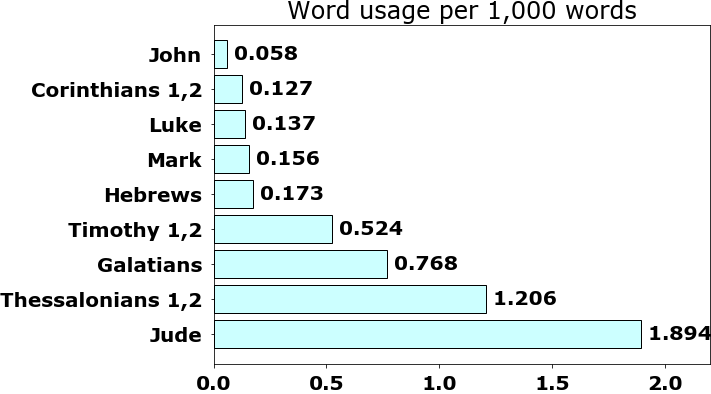
  • *G4229 *11 πρᾶγμα (prag'-mah) : from G4238; a deed; by implication, an affair; by extension, an object (material):--business, matter, thing, work.
  •  Usage 
     All 
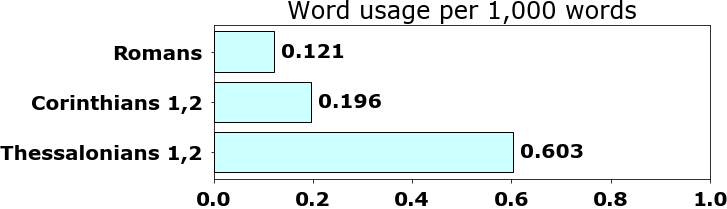
    • πραγματων *4
      •   Luke 1:1 ... to set forth in order a declaration of those things which are most surely believed among us,
      •   Hebrews 6:18 That by two immutable things, in which it was impossible ...
      •   Hebrews 10:1 ... the very image of the things, can never with ...
      •   Hebrews 11:1 ... the substance of things hoped for, the evidence of things not seen.
    • πραγμα *3
      •   Acts 5:4 ... why hast thou conceived this thing in thine heart? ...
      •   1 Corinthians 6:1 Dare any of you, having a matter against another, go to law ...
      •   James 3:16 ... and every evil work.
    • πραγματι *3
      •   Romans 16:2 ... her in whatsoever business she hath need of you: for ...
      •   2 Corinthians 7:11 ... to be clear in this matter.
      •   1 Thessalonians 4:6 ... his brother in any matter: because that the Lord is the avenger ...
    • πραγματος
      •   Matthew 18:19 ... earth as touching any thing that they shall ask, it shall be done ...

28. Usage - thing
*G4229 *11 πρᾶγμα (prag'-mah) : from G4238; a deed; by implication, an affair; by extension, an object (material):--business, matter, thing, work.
Word usage per chapter Words: πραγμα=3 πραγματι=3 πραγματος πραγματων=4

29. Vengeance
Luke 18:5 Yet because this widow troubleth me, I will avenge her, lest by her continual coming she weary me. [kjv]
δια γε το παρεχειν μοι κοπον την χηραν ταυτην εκδικησω αυτην ινα μη εις τελος ερχομενη υπωπιαζη με [gnt]

The ancient Greek word "εκδίκηση""revenge, vengeance".

The Latin word "vindico""avenge, vindicate, claim, punish" which captures some of the meaning of the Greek.

Information sign More: Luke 18:1-8 Parable of the unjust judge

30. 1 Thessalonians 4:6
 All 
KJV: That no man go beyond and defraud his brother in any matter: because that the Lord is the avenger of all such, as we also have forewarned you and testified.
Greek: το μη υπερβαινειν και πλεονεκτειν εν τω πραγματι τον αδελφον αυτου διοτι εκδικος ο κυριος περι παντων τουτων καθως και προειπαμεν υμιν και διεμαρτυραμεθα

31. 1 Thessalonians 4:7
1 Thessalonians 4:7 For God hath not called us unto uncleanness, but unto holiness. [kjv]
ου γαρ εκαλεσεν ημας ο θεος επι ακαθαρσια αλλ εν αγιασμω [gnt]

The Greek for "uncleanness" is that of "not" "pure" is in the "inside" and "outside" of the "cup".

Information sign More: Matthew 23:25-26 Cleaning the cup and bowl

32. Cleansed
Matthew 5:8 Blessed are the pure in heart: for they shall see God. [kjv]
μακαριοι οι καθαροι τη καρδια οτι αυτοι τον θεον οψονται [gnt]

11:5 … the lepers are cleansed, … [kjv]
τυφλοι αναβλεπουσιν και χωλοι περιπατουσιν λεπροι καθαριζονται και κωφοι ακουουσιν και νεκροι εγειρονται και πτωχοι ευαγγελιζονται [gnt]

The ancient Greek word "καθαρός""clean, clear, pure".

A folk etymology is that the English name "Catherine" comes from the ancient Greek word "καθαρός""clean, clear, pure" but it comes from the ancient Greek word "Αἰκατερίνη""Goddess Hecate". It is possible that they are related. Related English names are "Caitlin", "Karen" and "Katrina".

Information sign More: Matthew 5:8 B6 Blessed are the pure in heart
Information sign More: Matthew 11:1-6: Trapped by an offensive misinterpretation of Jesus

33. 1 Thessalonians 4:7
 All 
KJV: For God hath not called us unto uncleanness, but unto holiness.
Greek: ου γαρ εκαλεσεν ημας ο θεος επι ακαθαρσια αλλ εν αγιασμω

34. 1 Thessalonians 4:8
1 Thessalonians 4:8 He therefore that despiseth, despiseth not man, but God, who hath also given unto us his holy Spirit. [kjv]
τοιγαρουν ο αθετων ουκ ανθρωπον αθετει αλλα τον θεον τον διδοντα το πνευμα αυτου το αγιον εις υμας [gnt]

The ancient Greek word "ἀθετέω""dishonor, break with".

The Greek translated as "Holy Spirit" consists of two words separated by two words.

35. Strongs - rejecting

36. Usage - rejecting
*G114 *16 ἀθετέω (ath-et-eh'-o) : from a compound of G1 (as a negative particle) and a derivative of G5087; to set aside, i.e. (by implication) to disesteem, neutralize or violate:--cast off, despise, disannul, frustrate, bring to nought, reject.
Word usage per chapter Words: αθετει=4 αθετειτε αθετησαι αθετησας αθετησω αθετουσιν αθετω αθετων=4 ηθετησαν=2

The ancient Greek word "ἀθετέω""dishonor, break with".

37. 1 Thessalonians 4:8
 All 
KJV: He therefore that despiseth, despiseth not man, but God, who hath also given unto us his holy Spirit.
Greek: τοιγαρουν ο αθετων ουκ ανθρωπον αθετει αλλα τον θεον τον και δοντα διδοντα το πνευμα αυτου το αγιον εις ημας υμας

38. 1 Thessalonians 4:9
1 Thessalonians 4:9 But as touching brotherly love ye need not that I write unto you: for ye yourselves are taught of God to love one another. [kjv]
περι δε της φιλαδελφιας ου χρειαν εχετε γραφειν υμιν αυτοι γαρ υμεις θεοδιδακτοι εστε εις το αγαπαν αλληλους [gnt]

Paul:

39. Matthew 9:12
Matthew 9:12 But when Jesus heard that, he said unto them, They that be whole need not a physician, but they that are sick. [kjv]
ο δε ακουσας ειπεν ου χρειαν εχουσιν οι ισχυοντες ιατρου αλλα οι κακως εχοντες [gnt]

The Greek word translated as "whole" is that of "strong". The Greek word translated as "sick" is that of "harmed". Those "sick" have been "harmed" by disease, etc., but Jesus uses this word in a different sense. The word "doctor" means "healer".

The ancient Greek word "χρεώ""want, need" and "χρεία""need, want". The KJV translates this word as those that had "need" of healing but it appears Jesus only healed those who had a "want" or "desire" to be healed.

40. 1 Thessalonians 4:9
 All 
KJV: But as touching brotherly love ye need not that I write unto you: for ye yourselves are taught of God to love one another.
Greek: περι δε της φιλαδελφιας ου χρειαν εχετε γραφειν υμιν αυτοι γαρ υμεις θεοδιδακτοι εστε εις το αγαπαν αλληλους

41. 1 Thessalonians 4:10
1 Thessalonians 4:10 And indeed ye do it toward all the brethren which are in all Macedonia: but we beseech you, brethren, that ye increase more and more; [kjv]
και γαρ ποιειτε αυτο εις παντας τους αδελφους τους εν ολη τη μακεδονια παρακαλουμεν δε υμας αδελφοι περισσευειν μαλλον [gnt]


42. 1 Thessalonians 4:10
 All 
KJV: And indeed ye do it toward all the brethren which are in all Macedonia: but we beseech you, brethren, that ye increase more and more;
Greek: και γαρ ποιειτε αυτο εις παντας τους αδελφους τους εν ολη τη μακεδονια παρακαλουμεν δε υμας αδελφοι περισσευειν μαλλον

43. 1 Thessalonians 4:11
1 Thessalonians 4:11 And that ye study to be quiet, and to do your own business, and to work with your own hands, as we commanded you; [kjv]
και φιλοτιμεισθαι ησυχαζειν και πρασσειν τα ιδια και εργαζεσθαι ταις χερσιν υμων καθως υμιν παρηγγειλαμεν [gnt]

The ancient Greek word "πρᾶγμα""deed, act, fact" or a thing in a concrete reality is from the ancient Greek word "πράσσω""to do" and is the source of the English "practical". In context, it could be figurative or non-physical.

This appears to say that one should strive to do good works in honor and in a peaceful or restful manner, not seeking glory or praise or sounding a trumpet.

44. Strongs - strive earnestly

45. Usage - strive earnestly
*G5389 *3 φιλοτιμέομαι (fil-ot-im-eh'-om-ahee) : middle voice from a compound of G5384 and G5092; to be fond of honor, i.e. emulous (eager or earnest to do something):--labour, strive, study.
Word usage per chapter Words: φιλοτιμεισθαι φιλοτιμουμεθα φιλοτιμουμενον


46. 1 Thessalonians 4:11
 All 
KJV: And that ye study to be quiet, and to do your own business, and to work with your own hands, as we commanded you;
Greek: και φιλοτιμεισθαι ησυχαζειν και πρασσειν τα ιδια και εργαζεσθαι ταις ιδιαις χερσιν υμων καθως υμιν παρηγγειλαμεν

47. 1 Thessalonians 4:12
1 Thessalonians 4:12 That ye may walk honestly toward them that are without, and that ye may have lack of nothing. [kjv]
ινα περιπατητε ευσχημονως προς τους εξω και μηδενος χρειαν εχητε [gnt]

What might Paul be saying:

48. 1 Thessalonians 4:12
 All 
KJV: That ye may walk honestly toward them that are without, and that ye may have lack of nothing.
Greek: ινα περιπατητε ευσχημονως προς τους εξω και μηδενος χρειαν εχητε

49. 1 Thessalonians 4:13
1 Thessalonians 4:13 But I would not have you to be ignorant, brethren, concerning them which are asleep, that ye sorrow not, even as others which have no hope. [kjv]
ου θελομεν δε υμας αγνοειν αδελφοι περι των κοιμωμενων ινα μη λυπησθε καθως και οι λοιποι οι μη εχοντες ελπιδα [gnt]


50. 1 Thessalonians 4:13
 All 
KJV: But I would not have you to be ignorant, brethren, concerning them which are asleep, that ye sorrow not, even as others which have no hope.
Greek: ου θελω θελομεν δε υμας αγνοειν αδελφοι περι των κεκοιμημενων κοιμωμενων ινα μη λυπησθε καθως και οι λοιποι οι μη εχοντες ελπιδα

51. 1 Thessalonians 4:14
1 Thessalonians 4:14 For if we believe that Jesus died and rose again, even so them also which sleep in Jesus will God bring with him. [kjv]
ει γαρ πιστευομεν οτι ιησους απεθανεν και ανεστη ουτως και ο θεος τους κοιμηθεντας δια του ιησου αξει συν αυτω [gnt]

The Greek word translated as "bring" is The ancient Greek word "ἄξει""go" and is from "ἂγο""go". Paul may have deliberately used the word "go" that has a connotation of a similar ward meaning "worthy" and which is the source of the English word "axiom".

52. 1 Thessalonians 4:14
 All 
KJV: For if we believe that Jesus died and rose again, even so them also which sleep in Jesus will God bring with him.
Greek: ει γαρ πιστευομεν οτι ιησους απεθανεν και ανεστη ουτως και ο θεος τους κοιμηθεντας δια του ιησου αξει συν αυτω

53. 1 Thessalonians 4:15
1 Thessalonians 4:15 For this we say unto you by the word of the Lord, that we which are alive and remain unto the coming of the Lord shall not prevent them which are asleep. [kjv]
τουτο γαρ υμιν λεγομεν εν λογω κυριου οτι ημεις οι ζωντες οι περιλειπομενοι εις την παρουσιαν του κυριου ου μη φθασωμεν τους κοιμηθεντας [gnt]

The ancient Greek word "φθάνω""overtake, catch up with, come before". The modern Greek word "φτάσαμε" (FTA-sa-meh) ≈ "we arrived" or, as a question asked by kids (and some adults), "Are we where yet?".

The English word "prevent" comes from the Middle English word "preventen""anticipate" which comes from the Latin word "praevenio""come before" which is the source of the English word "prevenient" as in "prevenient" "grace".

Information sign More: Wesley's front porch analogy of grace

54. Strongs - remaining

55. Usage - remaining
*G4035 *2 περιλείπω (per-ee-li'-po) : from G4012 and G3007; to leave all around, i.e. (passively) survive:--remain.
Word usage per chapter Words: περιλειπομενοι=2

This word is only used in this verse and the one two verses later. Paul often makes up words and sometimes for a specific purpose and/or as a play on words. Paul does use the ancient Greek word "λοιπόν""further, besides" from "λειπός""remaining, the rest" as in "to the rest of you". The modern Greek word "λοιπόν" (lee-PON) ≈ "so, therefore, right, well, then".

56. Left behind
Book: Left behind
The "Left behind" series of books (1995-2007) by Tim LaHay (1926-2016) and Jerry B. Jenkins deals with the tribulation period in the Bible in general and the rapture in particular.

BIBLE (Basic Instructions Before Leaving Earth),
Much of the stories are based on the Bible but make certain assumptions that may or may not be true.

In particular, the idea that bodies will just disappear is assumed. It may happen that just the soul disappears and those that are left, after some major global catastrophe, do not realize that the rapture has happened.

Information sign More: Crying wolf for the search and seizure of the rapture

57. 1 Thessalonians 4:15
 All 
KJV: For this we say unto you by the word of the Lord, that we which are alive and remain unto the coming of the Lord shall not prevent them which are asleep.
Greek: τουτο γαρ υμιν λεγομεν εν λογω κυριου οτι ημεις οι ζωντες οι περιλειπομενοι εις την παρουσιαν του κυριου ου μη φθασωμεν τους κοιμηθεντας

58. 1 Thessalonians 4:16
1 Thessalonians 4:16 For the Lord himself shall descend from heaven with a shout, with the voice of the archangel, and with the trump of God: and the dead in Christ shall rise first: [kjv]
οτι αυτος ο κυριος εν κελευσματι εν φωνη αρχαγγελου και εν σαλπιγγι θεου καταβησεται απ ουρανου και οι νεκροι εν χριστω αναστησονται πρωτον [gnt]

The Greek for "shout" is that of a "command" which, when negated, means "follow" as in the word "acolyte". For some reason, the English reverses the two parts of the verse.

59. 1 Thessalonians 4:16
 All 
KJV: For the Lord himself shall descend from heaven with a shout, with the voice of the archangel, and with the trump of God: and the dead in Christ shall rise first:
Greek: οτι αυτος ο κυριος εν κελευσματι εν φωνη αρχαγγελου και εν σαλπιγγι θεου καταβησεται απ ουρανου και οι νεκροι εν χριστω αναστησονται πρωτον

60. 1 Thessalonians 4:17
1 Thessalonians 4:17 Then we which are alive and remain shall be caught up together with them in the clouds, to meet the Lord in the air: and so shall we ever be with the Lord. [kjv]
επειτα ημεις οι ζωντες οι περιλειπομενοι αμα συν αυτοις αρπαγησομεθα εν νεφελαις εις απαντησιν του κυριου εις αερα και ουτως παντοτε συν κυριω εσομεθα [gnt]

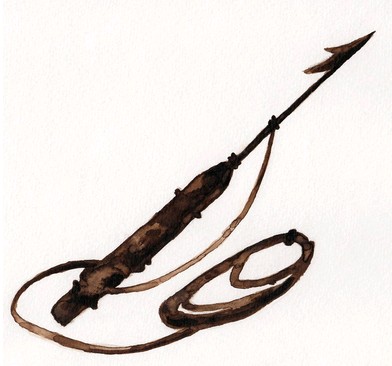
Harpoon
The English word "harpoon" comes from a Greek word meaning "snatching up" and is the word used for the "Rapture" in Thessalonians 1. Paul explains this more fully in Thessalonians 2. Jesus refers to the "rapture" in Matthew and in John.

Information sign More: Crying wolf for the search and seizure of the rapture

61. 1 Thessalonians 4:16-17 Rapture
1 Thessalonians 4:16 For the Lord himself shall descend from heaven with a shout, with the voice of the archangel, and with the trump of God: and the dead in Christ shall rise first: [kjv]
οτι αυτος ο κυριος εν κελευσματι εν φωνη αρχαγγελου και εν σαλπιγγι θεου καταβησεται απ ουρανου και οι νεκροι εν χριστω αναστησονται πρωτον [gnt]

4:17 Then we which are alive and remain shall be caught up together with them in the clouds, to meet the Lord in the air: and so shall we ever be with the Lord. [kjv]
επειτα ημεις οι ζωντες οι περιλειπομενοι αμα συν αυτοις αρπαγησομεθα εν νεφελαις εις απαντησιν του κυριου εις αερα και ουτως παντοτε συν κυριω εσομεθα [gnt]

The English word "harpoon" comes from a Greek word meaning "snatching up" and is the word used for what is called the "Rapture".

The author assumes that the "elect" are good and not bad. Perhaps Paul did not write 1 Thessalonians.

Information sign More: Matthew 22:14 Election callings of the chosen elect
Information sign More: Election callings as used by Jesus
Information sign More: Election callings us used by others and not Jesus

62. Caught up
1 Thessalonians 4:17 Then we which are alive and remain shall be caught up together with them in the clouds, to meet the Lord in the air: and so shall we ever be with the Lord. [kjv]
επειτα ημεις οι ζωντες οι περιλειπομενοι αμα συν αυτοις αρπαγησομεθα εν νεφελαις εις απαντησιν του κυριου εις αερα και ουτως παντοτε συν κυριω εσομεθα [gnt]
rapiemur … [v]

The words of interest here are "caught up" as in "rapture". The "caught up" appears to be related to Acts 1:11.
Acts 1:11 Which also said, Ye men of Galilee, why stand ye gazing up into heaven? this same Jesus, which is taken up from you into heaven, shall so come in like manner as ye have seen him go into heaven. [kjv]

Part of this is related to the interesting phrase "thy kingdom come" in the Lord's Prayer.

Future topic Details are left as a future topic.


Information sign More: Crying wolf for the search and seizure of the rapture

63. Matthew 12:29 Snatching the raptured goods from the strong man
Matthew 12:29 Or else how can one enter into a strong man's house, and spoil his goods, except he first bind the strong man? and then he will spoil his house. [kjv]
η πως δυναται τις εισελθειν εις την οικιαν του ισχυρου και τα σκευη αυτου σαι αρπασαι εαν μη πρωτον δηση τον ισχυρον και τοτε την οικιαν αυτου διαρπασει [gnt]

The GNT word for "spoil" is the ancient Greek word "ἁρπάζω""snatch away, carry off" and may be related to the ancient Greek word "ἅρπη""bird of prey" as a hawk or falcon and which may be related to the PIE (Proto Indo-European) root for "reap", "harvest", "sickle". This word for "snatch" is sometimes translated "rapture" or "ravenous" as in "wolves".

The ancient Greek word "σκευή""vessel" as something that is made but can refer to "people" as in a "chosen vessel". Who is doing the "choosing"?

[Last Supper, 1 & 2 Thessalonians]

Information sign More: Matthew 22:14 Election callings of the chosen elect
Information sign More: Matthew 12:29 Snatching the raptured goods from the strong man

64. 1 Thessalonians 4:17
 All 
KJV: Then we which are alive and remain shall be caught up together with them in the clouds, to meet the Lord in the air: and so shall we ever be with the Lord.
Greek: επειτα ημεις οι ζωντες οι περιλειπομενοι αμα συν αυτοις αρπαγησομεθα εν νεφελαις εις απαντησιν του κυριου εις αερα και ουτως παντοτε συν κυριω εσομεθα
Latin: deinde nos qui vivimus qui relinquimur simul rapiemur cum illis in nubibus obviam Domino in aera et sic semper cum Domino erimus

65. Comfort
1 Thessalonians 4:18 Wherefore comfort one another with these words. [kjv]
ωστε παρακαλειτε αλληλους εν τοις λογοις τουτοις [gnt]

The Greek for "comfort" is related to the word for "Paraclete" as in the "helper" or "Holy Spirit". A word like this was used in verse 1 and in verse 10.
Matthew 5:4 Blessed are they that mourn: for they shall be comforted. [kjv]
μακαριοι οι πενθουντες οτι αυτοι παρακληθησονται [gnt]

The phrase "these words" appears to refer to what was just said and not what will be said in the following verses (in the next chapter).

Information sign More: Matthew 5:4 B2 Good grief: the consolation prize of comfort
Information sign More: 1 Thessalonians 5:1-28

66. 1 Thessalonians 4:18
 All 
KJV: Wherefore comfort one another with these words.
Greek: ωστε παρακαλειτε αλληλους εν τοις λογοις τουτοις

67. End of page

by RS  admin@creationpie.org : 1024 x 640