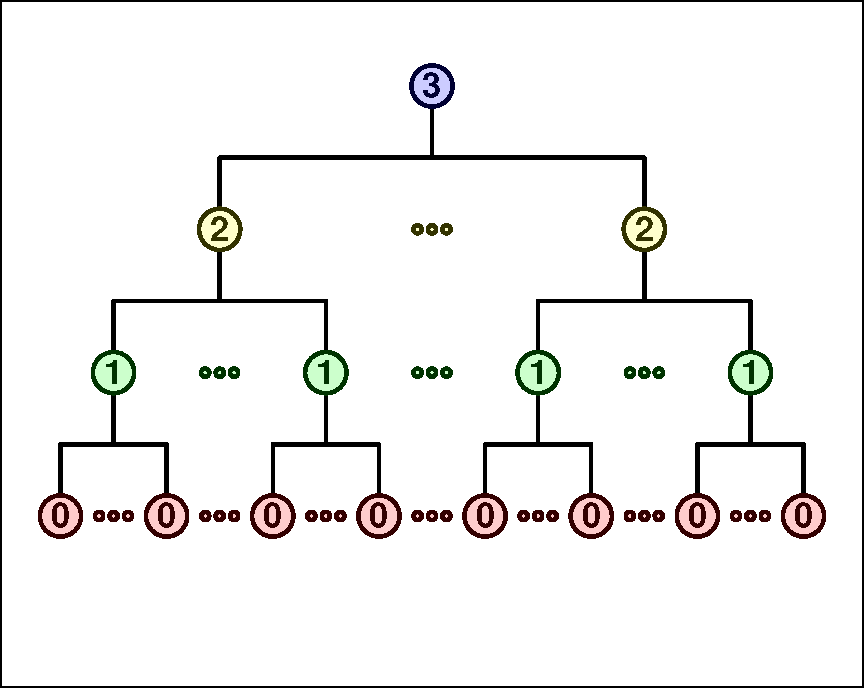
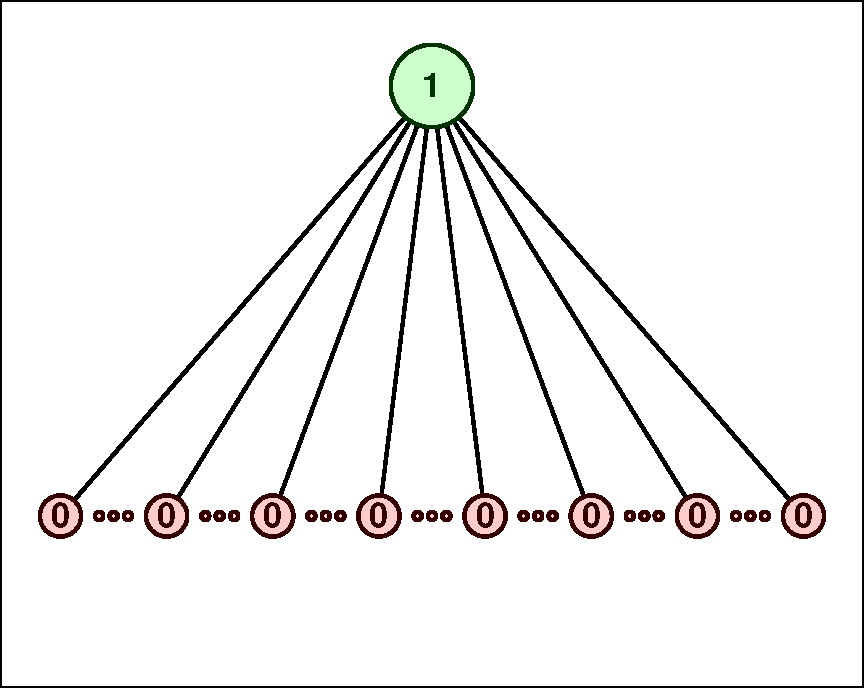
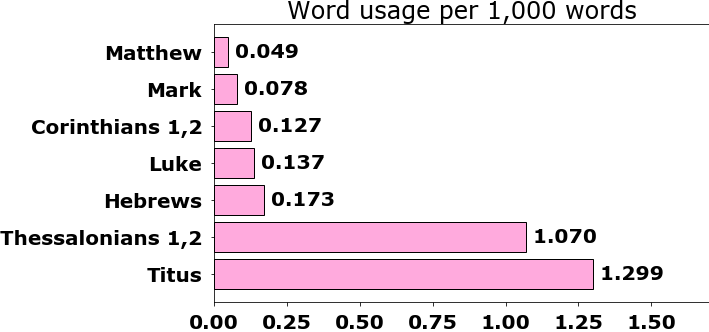
- *G1788 *9 ἐντρέπω (en-trep'-o) : from G1722 and the base of G5157; to invert, i.e. (figuratively and reflexively) in a good sense, to respect; or in a bad one, to confound:--regard, (give) reference, shame.
- εντραπησονται *3 of 9
- Matthew 21:37 ... his son, saying, They will reverence my son.
- Mark 12:6 ... unto them, saying, They will reverence my son.
- Luke 20:13 ... beloved son: it may be they will reverence him when they see him.
22. Luke 18:2
KJV: Saying, There was in a city a judge, which feared not God, neither regarded man:
Greek: λεγων κριτης τις ην εν τινι πολει τον θεον μη φοβουμενος και ανθρωπον μη εντρεπομενος
23. Luke 18:4
KJV: And he would not for a while: but afterward he said within himself, Though I fear not God, nor regard man;
Greek: και ουκ ηθελησεν ηθελεν επι χρονον μετα δε ταυτα δε ειπεν εν εαυτω ει και τον θεον ου φοβουμαι και ουδε ανθρωπον ουκ εντρεπομαι
24. 1 Corinthians 4:14
1 Corinthians 4:14 I write not these things to shame you, but as my beloved sons I warn you. [kjv]
ουκ εντρεπων υμας γραφω ταυτα αλλ ως τεκνα μου αγαπητα νουθετω νουθετων [gnt]
non ut confundam vos haec scribo sed ut filios meos carissimos moneo [v]
The
ancient Greek word
"ἐντρέπω" ≈ "turn, have regard for, pay heed to, show respect". The translators, and Strongs, appear to be confusing the above word with the ancient Greek word
"εντροπή" ≈ "turning away, shy, disgrace" where the progression was from, originally, turning away, shy, shame, and, by New Testament times, mostly shame or disgrace. Paul appears to be making a play on words with the word that the translators used for this passage.
"turn you off"
"pay heed to"
25. 1 Corinthians 4:14
KJV: I write not these things to shame you, but as my beloved sons I warn you.
Greek: ουκ εντρεπων υμας γραφω ταυτα αλλ ως τεκνα μου αγαπητα νουθετω νουθετων
Latin: non ut confundam vos haec scribo sed ut filios meos carissimos moneo
26. 1 Corinthians 4:15-16
1 Corinthians 4:15 For though ye have ten thousand instructers in Christ, yet have ye not many fathers: for in Christ Jesus I have begotten you through the gospel. [kjv]
εαν γαρ μυριους παιδαγωγους εχητε εν χριστω αλλ ου πολλους πατερας εν γαρ χριστω ιησου δια του ευαγγελιου εγω υμας εγεννησα [gnt]
… decem milia … [v]
4:16 Wherefore I beseech you, be ye followers of me. [kjv]
παρακαλω ουν υμας μιμηται μου γινεσθε [gnt]
Which fits better,
"ten thousand" or
"countless"?
Since when are we to be
"followers" of Paul? The Greek is that we are to
"mimic" Paul who is a
"follower" of Jesus Christ. The
ancient Greek word
"μῖμος" ≈ "imitator, actor" and is the source of
"mime",
"imitate", etc.
27. 1 Corinthians 4:15
KJV: For though ye have ten thousand instructers in Christ, yet have ye not many fathers: for in Christ Jesus I have begotten you through the gospel.
Greek: εαν γαρ μυριους παιδαγωγους εχητε εν χριστω αλλ ου πολλους πατερας εν γαρ χριστω ιησου δια του ευαγγελιου εγω υμας εγεννησα
Latin: nam si decem milia pedagogorum habeatis in Christo sed non multos patres nam in Christo Iesu per evangelium ego vos genui
28. 1 Corinthians 4:16
KJV: Wherefore I beseech you, be ye followers of me.
Greek: παρακαλω ουν υμας μιμηται μου γινεσθε
29. Imitator or impersonator of Christ
The ancient Greek word
"μῖμος" ≈ "imitator, actor" and is the source of
"mime",
"imitate", etc.
Sayings:
Imitation is the sincerest form of flattery.
If it looks like a duck ...
Are you an
"imitator" or
"follower" of Christ? Or both? We are to
"imitate" Christ but
not "
impersonate" Christ.
1 Corinthians 11:1 Be ye followers of me, even as I also am of Christ. [kjv]
μιμηται μου γινεσθε καθως καγω χριστου [gnt]
imitatores … [v]
Discuss: What are the
ambiguities in the following statement?
You need to become more like Christ every day.
30. Overseers
English: Let no one do anything that has to do with the church without the bishop. (Holmes, p. 215)
Greek: Μηδεὶς χωρὶς τοῦ ἐπισκόπου τι πρασσέτω τῶν ἀνηκόντων εἰς τὴν Ἐκκλησίαν.
 |
 |
|
Sheep dog
|
Wolf dog
|
Does one need "
approval" of the "
bishop" to do "
anything" related to the "
church"?
31. Thank you
32. Eucharist
Luke 22:19 And he took bread, and gave thanks, and brake it, and gave unto them, saying, This is my body which is given for you: this do in remembrance of me. [kjv]
και λαβων αρτον ευχαριστησας εκλασεν και εδωκεν αυτοις λεγων τουτο εστιν το σωμα μου το το υπερ υμων διδομενον τουτο ποιειτε εις την εμην αναμνησιν [gnt]
1 Corinthians 11:24 And when he had given thanks, he brake it, and said, Take, eat: this is my body, which is broken for you: this do in remembrance of me. [kjv]
και ευχαριστησας εκλασεν και ειπεν λαβετε φαγετε τουτο μου εστιν το σωμα το υπερ υμων κλωμενον τουτο ποιειτε εις την εμην αναμνησιν [gnt]

The ancient Greek word
"εὐχαριστῶ" ≈ "thank you". Unless it is clear from context,, the Greek for "
is" (used here) requires the Greek for "
equal" (not used here) to establish that the comparison is of
exact equality.
33. Eucharist
English: Only the Eucharist which is under the authority of the bishop (or whomever he himself designates) is to be considered valid.
Greek: Ἐκείνη βεβαία Εὐχαριστία ἡγείσθω, ἡ ὑπὸ ἐπίσκοπον οὖσα, ἢ ᾧ ἂν αὐτὸς ἐπιτρέψῃ.
Jesus says to break the bread and drink the wine in his "
remembrance". Did Jesus ever intend the Eucharist to be a "
gatekeeper" that could be used as a "
yoke of compulsion" in order to "
influence" others?
If you are in
front of the "
altar" (sanctuary) and you "
remember" that
the brother (Jesus) has something
against you, go and "
interact" with
the brother (Jesus) and then
go (not back to the alter) and offer your
gift (yourself).
34. Luke 22:19
KJV: And he took bread, and gave thanks, and brake it, and gave unto them, saying, This is my body which is given for you: this do in remembrance of me.
Greek: και λαβων αρτον ευχαριστησας εκλασεν και εδωκεν αυτοις λεγων τουτο εστιν το σωμα μου το το υπερ υμων διδομενον τουτο ποιειτε εις την εμην αναμνησιν
35. 1 Corinthians 11:24
KJV: And when he had given thanks, he brake it, and said, Take, eat: this is my body, which is broken for you: this do in remembrance of me.
Greek: και ευχαριστησας εκλασεν και ειπεν λαβετε φαγετε τουτο μου εστιν το σωμα το υπερ υμων κλωμενον τουτο ποιειτε εις την εμην αναμνησιν
36. Assembly
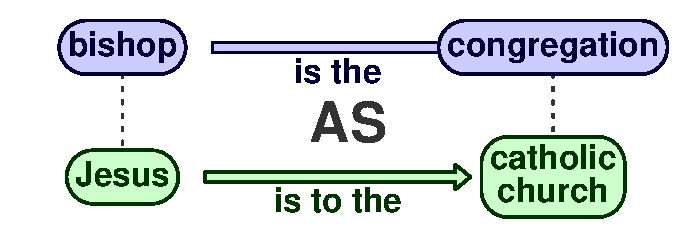
English: Wherever the bishop appears, there let the congregation be, ...
Greek: Ὅπου ἂν φανῇ ὁ ἐπίσκοπος, ἐκεῖ τὸ πλῆθος ἤτω, ...
 |
 |
|
Sheep dog
|
Wolf dog
|
The Greek for "
congregation" is that of "
crowd" or "
many".

A major theme of Philippians (obscured in modern translations) is that of the "
bishops" not doing what they were supposed to be doing.
37. Jesus
English: just as wherever Jesus Christ is, there is the catholic church.
Greek: ὥσπερ ὅπου ἂν ῇ Ἰησοῦς Χριστός, ἐκεῖ ἡ Καθολικὴ Ἐκκλησία.
This is the first instance of the terms used that became the "
Catholic Church". The Greek words mean, literally, "
all and everything church".
Ignatius continues.
38. Valid baptism
English: It is not permissible either to baptize or to hold a love feast without the bishop. But whatever he approves is also pleasing to God, in order that everything you do may be trustworthy and valid.
Greek: Οὐκ ἐξόν ἐστιν χωρὶς τοῦ ἐπισκόπου οὔτε βαπτίζειν οὔτε ἀγάπην ποιεῖν· ἀλλ’ ὃ ἂν ἐκεῖνος δοκιμάσῃ, τοῦτο καὶ τῷ Θεῷ εὐάρεστον, ἵνα ἀσφαλὲς ᾖ καὶ βέβαιον πᾶν ὃ πράσσετε.
What if the "bishop" approves something that is against the laws of God?
Is the "bishop" infallible?
Can the "bishop" decide to go against the laws of God?
Does tradition take precedence over the word of God?
39. Discussion
Did Ignatius believe all that he said?
How could what Ignatius say be used in other ways at some later time?
Did Ignatius have any ulterior motives?
Was Ignatius concerned about his "legacy"?
Did Jesus provide any warning of weeds and the resulting deceptions such as those described by Ignatius?
40. Matthew 13:25,33 Interesting connection
Matthew 13:25 But while men slept, his enemy came and sowed tares among the wheat, and went his way. [kjv]
εν δε τω καθευδειν τους ανθρωπους ηλθεν αυτου ο εχθρος και εσπειρεν επεσπειρεν ζιζανια ανα μεσον του σιτου και απηλθεν [gnt]
13:33 Another parable spake he unto them; The kingdom of heaven is like unto leaven, which a woman took, and hid in three measures of meal, till the whole was leavened. [kjv]
αλλην παραβολην ελαλησεν αυτοις ομοια εστιν η βασιλεια των ουρανων ζυμη ην λαβουσα γυνη ενεκρυψεν εις αλευρου σατα τρια εως ου εζυμωθη ολον [gnt]
"καθολικός," ≈ "universal" is from
"καθόλου" ≈ "at all" is from:
"καθ" ≈ "according to" and
"ὅλος" ≈ "whole, all".
Verse 25 start: "καθεύδω" ≈ "lie down to sleep, be still, be idle"
Verse 33 end: "ολον" ≈ "whole" as in "the whole lump" (verse 33)
Verse 25 has the beginning of "
catholic" near the beginning and verse 33 has the ending of "
catholic" at the end. Is this just
random chance or might this have been on purpose?
41. Ignatius to the Trallians
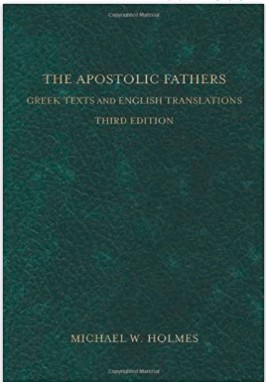
Ignatius makes similar comments in his letter to the
Trallians.
The corresponding English is from Holmes2007.
42. Ignatius to the Trallians 1.1
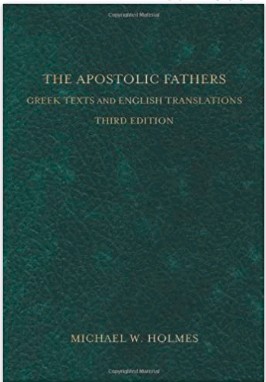
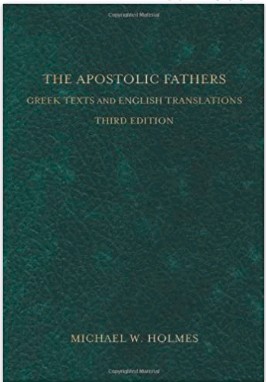
English: I know that you have a disposition that is blameless and unwavering in patient endurance, not from habit but by nature, ...Holmes, M. (2007). The Apostolic Fathers. 3rd Ed. Grand Rapids, MI: Baker Academic, p. 215.
Greek : 1.1 Ἄμωμον διάνοιαν καὶ αδιάκριτον ἐν ὑπομονῇ ἔγνων ὑμᾶς ἔχοντας, οὐ κατὰ χρῆσιν ἀλλὰ κατὰ φύσιν, …

Are we by "
nature" "
blameless" without having to "
learn" or be "
nurtured" in it? Jeremiah says something different.
43. Jeremiah 13:23 Nature and nurture and leopard spots
Jeremiah 13:23 Can the Ethiopian change his skin, or the leopard his spots? then may ye also do good, that are accustomed to do evil. [kjv]
ει αλλαξεται αιθιοψ το δερμα αυτου και παρδαλις τα ποικιλματα αυτης και υμεις δυνησεσθε ευ ποιησαι μεμαθηκοτες τα κακα [lxx]
Is it
nature (e.g., genetics) or
nurture (e.g., environment)? Is it a combination of these?
Jeremiah uses that analogy to tell the people that they have learned to do some of the bad things that they do and they need not be bad in that way.
44. Imitator or impersonator of Christ
The ancient Greek word
"μῖμος" ≈ "imitator, actor" and is the source of
"mime",
"imitate", etc.
Sayings:
Imitation is the sincerest form of flattery.
If it looks like a duck ...
Are you an
"imitator" or
"follower" of Christ? Or both? We are to
"imitate" Christ but
not "
impersonate" Christ.
1 Corinthians 11:1 Be ye followers of me, even as I also am of Christ. [kjv]
μιμηται μου γινεσθε καθως καγω χριστου [gnt]
imitatores … [v]
Discuss: What are the
ambiguities in the following statement?
You need to become more like Christ every day.
45. Ignatius to the Trallians 1.2
English: ... I praised God when I found out that you were, as I had learned, imitators of God. Holmes, M. (2007). The Apostolic Fathers. 3rd Ed. Grand Rapids, MI: Baker Academic, p. 215.
Greek: 1.2. … εδόξασα, εὑρῶν ὑμᾶς, ὡς ἔγνων, μιμητὰς ὄντας θεοῦ.
Are we to be "
imitators" of God?
The serpent told Eve that "
you can be as a god".
46. Genesis 3:4-5 You can be as a god
Genesis 3:4 And the serpent said unto the woman, Ye shall not surely die: [kjv]
και ειπεν ο οφις τη γυναικι ου θανατω αποθανεισθε [lxx]
3:5 For God doth know that in the day ye eat thereof, then your eyes shall be opened, and ye shall be as gods, knowing good and evil. [kjv]
ηδει γαρ ο θεος οτι εν η αν ημερα φαγητε απ αυτου διανοιχθησονται υμων οι οφθαλμοι και εσεσθε ως θεοι γινωσκοντες καλον και πονηρον [lxx]
The model of Jesus and the church is as follows.
Jesus is the man or groom.
The church is the woman or bride.
Discuss: Are there examples of church leadership (at the top) impersonating the man or groom of Christ and telling the woman or bride or church believers (at the bottom) that you can be as a god?
Does this story from the
OT (Old Testament) qualify as a remez or hint of something deeper?
47. Genesis 3:4
KJV: And the serpent said unto the woman, Ye shall not surely die:
Hebrew: ויאמר הנחש אל האשה לא מות תמתון׃
Greek: και ειπεν ο οφις τη γυναικι ου θανατω αποθανεισθε
48. Genesis 3:5
KJV: For God doth know that in the day ye eat thereof, then your eyes shall be opened, and ye shall be as gods, knowing good and evil.
Hebrew: כי ידע אלהים כי ביום אכלכם ממנו ונפקחו עיניכם והייתם כאלהים ידעי טוב ורע׃
Greek: ηδει γαρ ο θεος οτι εν η αν ημερα φαγητε απ αυτου διανοιχθησονται υμων οι οφθαλμοι και εσεσθε ως θεοι γινωσκοντες καλον και πονηρον
49. Ignatius to the Trallians 1.2 and 2.1
Let us review and continue.
English: ... I praised God when I found out that you were, as I had learned, imitators of God. Holmes, M. (2007). The Apostolic Fathers. 3rd Ed. Grand Rapids, MI: Baker Academic, p. 215.
Greek: 1.2. … εδόξασα, εὑρῶν ὑμᾶς, ὡς ἔγνων, μιμητὰς ὄντας θεοῦ.
Greek: Ὅταν γὰρ τῷ ἐπισκόπῳ ὑοτάσσησθε ὡς Ἰησοῦ Χριστῷ, φαίνεσθέ μοι οὐ κατὰ ἄνθρωπον ζῶντες, ἀλλὰ κατὰ Ἰησοῦν Χριστὸν τὸν δι’ ἡμᾶς ἀποθανόντα, ἵνα πιστεύσαντες εἰς τὸν θάνατον αὐτοῦ τὸ ἀποθανεῖν ἐκφύγητε.
50. Ignatius to the Trallians 2.2
English: It is essential, therefore, that you continue your current practice and do nothing without the bishop, but be subject also to the council of presbyters as to the apostles of Jesus Christ, ...
Greek: 2. ἀναγκαῖον οὖν ἐστίν, ὥσπερ ποιεῖτε, ἄνευ τοῦ ἐπισκόπου μηδὲν πράσσειν ὑμᾶς, ἀλλ’ ὑποτάσσεσθαι καὶ τῷ πρεσβυτερίῳ ὡς τοῖς ἀποστόλοις Ἰησοῦ Χριστοῦ ...
51. Ignatius to the Trallians 6.2
English: 6.2 These people, while pretending to be trustworthy, mix Jesus Christ with themselves - like those who administer a deadly drug with honeyed wine, which the unsuspecting victim accepts without fear and so with final pleasure drinks down death. Holmes, M. (2007). The Apostolic Fathers. 3rd Ed. Grand Rapids, MI: Baker Academic, p. 219.
Greek: 6.2. οἳ ἑαυτοῖς παρεμπλέκουσιν Ἰησοῦν Χριστὸν καταξιοπιστευόμενοι, ὥσπερ θανάσιμον φάρμακον διδόντες μετὰ οἰνομέλιτος, ὅπερ ὁ ἀγνοῶν ἡδέως λαμβάνει ἐν ἡδονῇ κακῇ τὸ ἀποθανεῖν.
This sounds like good advice. Read on.
52. Ignatius to the Trallians 7.1
English: 7.1 Therefore be on your guard against such people. And you will be provided that you are not puffed up with pride and that you cling inseparably to Jesus Christ and to the bishop and to the commandments of the apostles. Holmes, M. (2007). The Apostolic Fathers. 3rd Ed. Grand Rapids, MI: Baker Academic, p. 219.
Greek: 7.1. Φυλάττεσθε οὖν τοὺς τοιούτους. τοῦτο δὲ ἔσται ὑμῖν φυσιουμένοις καὶ οὖσιν ἀχωρίστοις θεοῦ Ἰησοῦ Χριστοῦ καί τοῦ ἐπισκόπου καὶ τῶν διαταγμάτων τῶν ἀποστόλων.
Can we just "cling" to Jesus Christ?
Do we need to "cling" to the "bishop"?
What are the "commandments" or "proclamations" of the "apostles"?
53. Ignatius to the Trallians 7.2
English: The one who is within the sanctuary is clean, but the one who is outside the sanctuary is not clean. That is, whoever does anything without the bishop and council of presbyters and deacons does not have a clean conscience. Holmes, M. (2007). The Apostolic Fathers. 3rd Ed. Grand Rapids, MI: Baker Academic, p. 219.
Greek: 7.2. ὁ ἐντὸς θυσιαστηρίου ὢν καθαρός ἐστιν· τοῦτ’ ἔστιν, ὁ χωρὶς ἐπισκόπου καὶ πρεσβυτερίου καὶ διακόνων πράσσων τι, οὗτος καθαρός ἐστιν τῇ συνειδήσει.
Are we "pure" (Greek word) or "clean" if we are inside the "sanctuary" at the "altar" (same words in Greek)?
Are we not "pure" (Greek word) or "clean" if we are outside the "sanctuary" at the "altar", (same words in Greek)?
Can what Ignatius says be used as a "
yoke of compulsion"?
What Ignatius says is not what Jesus says.
54. Matthew 23:25-26 Cup and platter
Matthew 23:25 Woe unto you, scribes and Pharisees, hypocrites ! for ye make clean the outside of the cup and of the platter, but within they are full of extortion and excess. [kjv]
ουαι υμιν γραμματεις και φαρισαιοι υποκριται οτι καθαριζετε το εξωθεν του ποτηριου και της παροψιδος εσωθεν δε γεμουσιν εξ αρπαγης και ακρασιας [gnt]
23:26 Thou blind Pharisee, cleanse first that which is within the cup and platter, that the outside of them may be clean also. [kjv]
φαρισαιε τυφλε καθαρισον πρωτον το εντος του ποτηριου και της παροψιδος ινα γενηται και το εκτος αυτων αυτου καθαρον [gnt]
There are some play on words used by Jesus but the obvious meaning holds.
55. Ignatius: Letter to the Trallians
English: Ignatius the Image-bearer to the holy church at Tralles in Asia, dearly loved by God the Father of Jesus Christ, elect and worthy of God, at peace in flesh and spirit through the suffering of Jesus Christ, who is our hope when we rise to be with him, which I greet in the fullness of God in the apostolic manner and offer heartiest greetings. (Holmes, p. 215)
Greek: Ἰγνάτιος, ὁ καὶ Θεοφόρος, ἠγαπημένῃ θεῷ, πατρι Ἰησοῦ Χριστοῦ, ἐκκλησίᾳ ἁγίᾳ τῇ οὔσῃ ἐν Τράλλεσιν τῆς Ἀσίας, ἐκλεκτῇ καὶ ἀξιοθέῳ, εἰρηνευούσῃ ἐν σαρκὶ καὶ πνεύματι τῷ πάθει Ἰησοῦ Χριστοῦ, τῆς ἐλπίδος ἡμῶν ἐν τῇ εἰς αὐτὸν ἀναστάσει· ἣν καὶ ἀσπάζομαι ἐν τῷ πληρώματι ἐν ἀποστολικῷ χαρακτῆρι καὶ εὔχομαι πλεῖστα χαίρειν. [Introduction]
56. Ignatius: Letter to the Ephesians
English: Ignatius the Image-bearer to the church at Ephesus in Asia, blessed with greatness through the fullness of God the Father, predestined before the ages for lasting and unchangeable glory forever, united, and elect through genuine suffering by the will of the Father and of Jesus Christ our God, a church most worthy of blessing; heartiest greetings in Jesus Christ and in blameless joy. (Holmes, p. 183)
Greek: Ἰγνάτιος ὁ καὶ Θεοφόρος, τῇ εὐλογημένῃ ἐν μεγέθει θεοῦ πατρὸς πληρώματι, τῇ προωρισμένῃ πρὸ αἰώνων εἶναι διὰ παντὸς εἰς δόξαν παράμονον ἄτρεπτον, ἡνωμένῃ καὶ ἐκλελεγμένῃ ἐν πάθει ἀληθινῷ, ἐν θελήματι τοῦ πατρὸς καὶ Ἰησοῦ Χριστοῦ τοῦ θεοῦ ἡμῶν, τῇ ἐκκλησίᾳ τῇ ἀξιομακρίστῳ, τῇ οὔσῃ ἐν Ἐφέσῳ τῆς Ἀσίας, πλεῖστα ἐν Ἰησοῦ Χριστῷ καὶ ἐν ἀμώμῳ χαρᾷ χαίρειν. [Introduction]
57. End of page





 Ignatius, in his letter to the Ephesians (part 16), warns not to be misled by bad (or evil) teachers (underlining added).


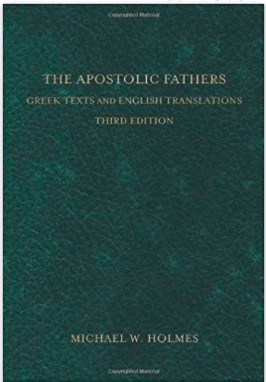 Michal W. Holmes in "The Apostolic Fathers" has translated many writings of the early church fathers.