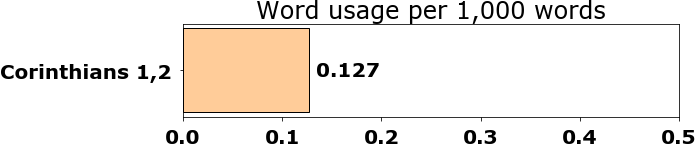
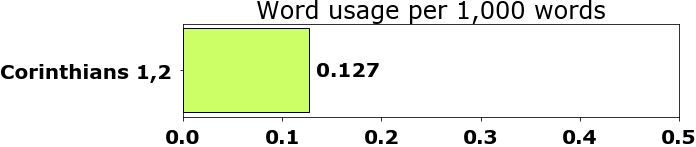
- *G84 *1 ἀδήλως (ad-ay'-loce) : adverb from G82; uncertainly:--uncertainly.
- αδηλως
- 1 Corinthians 9:26 ... run, not as uncertainly; so fight I, not ...
26. 1 Corinthians 9:26 Run not with uncertainty
1 Corinthians 9:26 I therefore so run, not as uncertainly; so fight I, not as one that beateth the air: [kjv]
εγω τοινυν ουτως τρεχω ως ουκ αδηλως ουτως πυκτευω ως ουκ αερα δερων [gnt]
… curro non … incertum … pugno … aerem verberans [v]
The ancient Greek word
"τρέχω" ≈ "run" as in a race and the English word
"trek" and as the name of the bicycle company
"Trek" or the
"trek" in "
Star Trek" or "
trekie".
Why should one be able to
"run" "not" with
"uncertainty"?
27. Works and fire
Paul talks about works and fire and salvation. Lot appears to be an example.
1 Corinthians 3:13 Every man's work shall be made manifest: for the day shall declare it, because it shall be revealed by fire; and the fire shall try every man's work of what sort it is. [kjv]
εκαστου το εργον φανερον γενησεται η γαρ ημερα δηλωσει οτι εν πυρι αποκαλυπτεται και εκαστου το εργον οποιον εστιν το πυρ αυτο δοκιμασει [gnt]
3:15 If any man's work shall be burned, he shall suffer loss: but he himself shall be saved; yet so as by fire. [kjv]
ει τινος το εργον κατακαησεται ζημιωθησεται αυτος δε σωθησεται ουτως δε ως δια πυρος [gnt]
The ancient Greek word
"δήλωσις" ≈ "explanation, representation" and comes from
"δηλόω" ≈ "show, make known, clarify".
28. Colossians 1:8 Declaration
29. Exodus 28:30
Exodus 28:30 And thou shalt put in the breastplate of judgment the Urim and the Thummim; and they shall be upon Aaron's heart, when he goeth in before the LORD: and Aaron shall bear the judgment of the children of Israel upon his heart before the LORD continually. [kjv]
και επιθησεις επι το λογειον της κρισεως την δηλωσιν και την αληθειαν και εσται επι του στηθους ααρων οταν εισπορευηται εις το αγιον εναντιον κυριου και οισει ααρων τας κρισεις των υιων ισραηλ επι του στηθους εναντιον κυριου δια παντος [lxx]
It is not clear as to the meaning of the "
Urim" and the "
Thummim".
 |
Details are left as a future topic.
|
30. Exodus 28:30
KJV: And thou shalt put in the breastplate of judgment the Urim and the Thummim; and they shall be upon Aaron's heart, when he goeth in before the LORD: and Aaron shall bear the judgment of the children of Israel upon his heart before the LORD continually.
Hebrew: ונתת אל חשן המשפט את האורים ואת התמים והיו על לב אהרן בבאו לפני יהוה ונשא אהרן את משפט בני ישראל על לבו לפני יהוה תמיד׃
Greek: και επιθησεις επι το λογειον της κρισεως την δηλωσιν και την αληθειαν και εσται επι του στηθους ααρων οταν εισπορευηται εις το αγιον εναντιον κυριου και οισει ααρων τας κρισεις των υιων ισραηλ επι του στηθους εναντιον κυριου δια παντος
31. Leviticus 8:8
Leviticus 8:8 And he put the breastplate upon him: also he put in the breastplate the Urim and the Thummim. [kjv]
και επεθηκεν επ αυτην το λογειον και επεθηκεν επι το λογειον την δηλωσιν και την αληθειαν [lxx]
32. Leviticus 8:8
KJV: And he put the breastplate upon him: also he put in the breastplate the Urim and the Thummim.
Hebrew: וישם עליו את החשן ויתן אל החשן את האורים ואת התמים׃
Greek: και επεθηκεν επ αυτην το λογειον και επεθηκεν επι το λογειον την δηλωσιν και την αληθειαν
33. Deuteronomy 33:8
Deuteronomy 33:8 And of Levi he said, Let thy Thummim and thy Urim be with thy holy one, whom thou didst prove at Massah, and with whom thou didst strive at the waters of Meribah; [kjv]
και τω λευι ειπεν δοτε λευι δηλους αυτου και αληθειαν αυτου τω ανδρι τω οσιω ον επειρασαν αυτον εν πειρα ελοιδορησαν αυτον επι υδατος αντιλογιας [lxx]
34. Deuteronomy 33:8
KJV: And of Levi he said, Let thy Thummim and thy Urim be with thy holy one, whom thou didst prove at Massah, and with whom thou didst strive at the waters of Meribah;
Hebrew: וללוי אמר תמיך ואוריך לאיש חסידך אשר נסיתו במסה תריבהו על מי מריבה׃
Greek: και τω λευι ειπεν δοτε λευι δηλους αυτου και αληθειαν αυτου τω ανδρι τω οσιω ον επειρασαν αυτον εν πειρα ελοιδορησαν αυτον επι υδατος αντιλογιας
35. 1 Corinthians 9:26 Run not without explanation
1 Corinthians 9:26 I therefore so run, not as uncertainly; so fight I, not as one that beateth the air: [kjv]
εγω τοινυν ουτως τρεχω ως ουκ αδηλως ουτως πυκτευω ως ουκ αερα δερων [gnt]
The Greek word translated as
"uncertainty" is that of
"without explanation". That is,
"not" "without explanation" does one
"run". The ancient Greek word
"δήλωσις" ≈ "explanation, representation" and comes from
"δηλόω" ≈ "show, make known, clarify". The idea of
"uncertainty" comes from the Latin word
"incertus" ≈ "uncertain, hesitating".
Why might the church want one to "
run" as
"not" with
"uncertainty" rather than
"not" with
"lack of explanation"?
36. 1 Peter 3:15-16
1 Peter 3:15 But sanctify the Lord God in your hearts: and be ready always to give an answer to every man that asketh you a reason of the hope that is in you with meekness and fear: [kjv]
κυριον δε τον θεον χριστον αγιασατε εν ταις καρδιαις υμων ετοιμοι δε αει προς απολογιαν παντι τω αιτουντι υμας λογον περι της εν υμιν ελπιδος αλλα μετα πραυτητος και φοβου [gnt]
3:16 Having a good conscience; that, whereas they speak evil of you, as of evildoers, they may be ashamed that falsely accuse your good conversation in Christ. [kjv]
συνειδησιν εχοντες αγαθην ινα εν ω καταλαλωσιν υμων ως κακοποιων καταλαλεισθε καταισχυνθωσιν οι επηρεαζοντες υμων την αγαθην εν χριστω αναστροφην [gnt]
Peter makes statements about the importance of setting a good example. Those that "
falsely" accuse you would be using any hypocrisy of your "
conversation" (meaning all interactions, verbal or otherwise) in Christ as in "
manner of life".
Note that the reason for setting a good example is not that it otherwise negates the teachings of Jesus, but that, many may not believe because, in effect, many are swayed by the "
tu quoque" logic fallacy.
37. 1 Corinthians 9:26 Island of Deios
1 Corinthians 9:26 I therefore so run, not as uncertainly; so fight I, not as one that beateth the air: [kjv]
εγω τοινυν ουτως τρεχω ως ουκ αδηλως ουτως πυκτευω ως ουκ αερα δερων [gnt]
The ancient Greek word
"Δῆλος" ≈ "Island of Deios" associated with
Artemis and
Apollo.
Folk etymology connects the (island) word with
"δῆλος" ≈ "visible, conspicuous, manifest".
38. 1 Corinthians 9:26
KJV: I therefore so run, not as uncertainly; so fight I, not as one that beateth the air:
Greek: εγω τοινυν ουτως τρεχω ως ουκ αδηλως ουτως πυκτευω ως ουκ αερα δερων
Latin: ego igitur sic curro non quasi in incertum sic pugno non quasi aerem verberans
39. Galatians 2:21 Frustrated translation
40. Galatians 2:21 Free gift
Galatians 2:21 I do not frustrate the grace of God: for if righteousness come by the law, then Christ is dead in vain. [kjv]
ουκ αθετω την χαριν του θεου ει γαρ δια νομου δικαιοσυνη αρα χριστος δωρεαν απεθανεν [gnt]
The Greek word translated as
"vain" is that of
"free gift". Saying:
do not look a gift horse in the mouth.
The ancient Greek word
"δωρεάν" ≈ "free gift"and is the source, through the Greek and later Latin name, of the English name
"Dorothy" as, literally, "
gift" of "
God". The Latin word
"gratis" ≈ "free gift" and is the source of the English words
"gratuity",
"gratitude", etc. It is unclear how the
KJV decided to translate the word as
"vain".
41. Ephesians 2:8-9
Ephesians 2:8 For by grace are ye saved through faith; and that not of yourselves: it is the gift of God: [kjv]
τη γαρ χαριτι εστε σεσωσμενοι δια της πιστεως και τουτο ουκ εξ υμων θεου το δωρον [gnt]
2:9 Not of works, lest any man should boast. [kjv]
ουκ εξ εργων ινα μη τις καυχησηται [gnt]
for grace are ye saved through belief/persuasion...
as a favor you are saved through belief/persuasion ...
The Greek word translated as "
lest" is that of
"in order that" and
"not". Both the
actual "no" for "
works" and the
potential "no" for "
boast" are used in Ephesians 2:9.
42. Strongs - no
*G3756 *1599 οὐ (oo) : ouk ook, and (before an aspirate) ouch ookh a primary word; the absolute negative (compare G3361) adverb; no or not:--+ long, nay, neither, never, no (X man), none, (can-)not, + nothing, + special, un(-worthy), when, + without, + yet but.
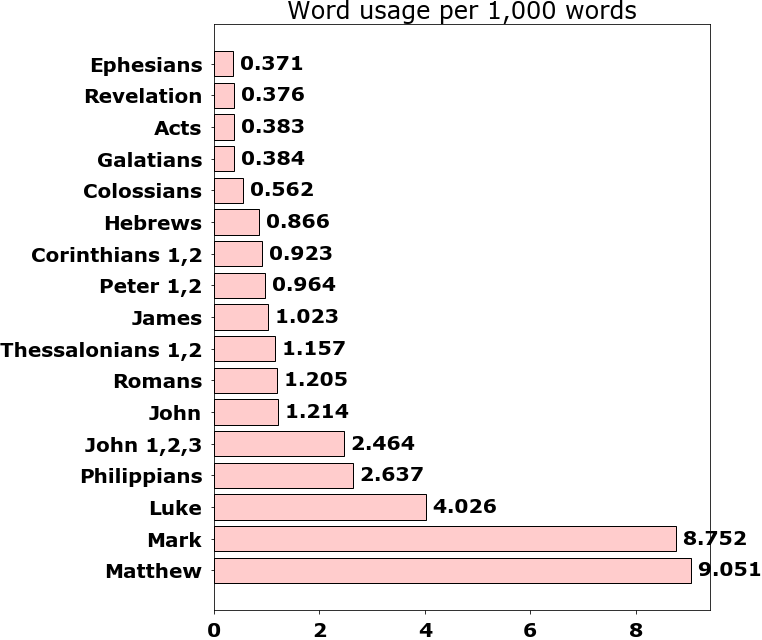 |
Words: ου=675 ουκ=823 ουχ=106
|
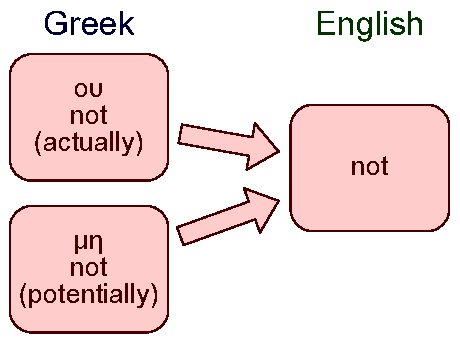
In Bible Greek terms,
"ου" ≈ "not, no" is said to be an
"absolute negative" and expects a
"positive answer"
43. Strongs - no
*G3361 *0 μή (may) : a primary particle of qualified negation (whereas G3756 expresses an absolute denial); (adverb) not, (conjunction) lest; also (as an interrogative implying a negative answer (whereas G3756 expects an affirmative one)) whether:--any but (that), X forbear, + God forbid, + lack, lest, neither, never, no (X wise in), none, nor, (can-)not, nothing, that not, un(-taken), without. Often used in compounds in substantially the same relations.
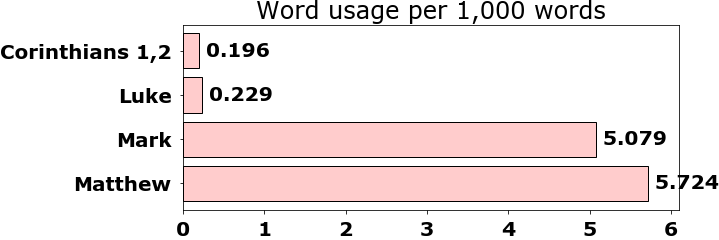 |
Words: μη=1021 μηγε=8
|
According to Strongs and Bible Greek teachings:
G3361 "μη" expects a negative answer.
G3756 "ου" expects a positive answer.
How does this rule work in practice?
44. Ephesians 2:9
Ephesians 2:9 Not of works, lest any man should boast. [kjv]
ουκ εξ εργων ινα μη τις καυχησηται [gnt]
45. Ephesians 2:9
KJV: Not of works, lest any man should boast.
Greek: ουκ εξ εργων ινα μη τις καυχησηται
46. Negative comparison
| Greek |
English |
Bible
Greek |
Ancient
Greek |
| ου |
not |
not ‑ expects
positive answer |
not ‑
concrete/actual |
| μη |
not |
not ‑ expects
negative answer |
not ‑
abstract/potential |
| ου μη |
not ‑ not |
emphatic not |
not actually and not potentially |
It appears that the Ancient Greek meaning fits better in practice than the somewhat contrived and inconsistent Bible Greek meaning.
In Greek, the double negative idea as an emphatic
not works
only with two words that both mean
"not". When, say, a
"not" is combined with a negating alpha prefix, the logical
positive results.
47. Romans 9:1 The truth lies here
Romans 9:1 I say the truth in Christ, I lie not, my conscience also bearing me witness in the Holy Ghost, [kjv]
αληθειαν λεγω εν χριστω ου ψευδομαι συμμαρτυρουσης μοι της συνειδησεως μου εν πνευματι αγιω [gnt]
Why does Paul need to say that he "
says" the
"truth"?
Paraphrase:
... I lie (in actuality) not ...
48. Romans 9:1
KJV: I say the truth in Christ, I lie not, my conscience also bearing me witness in the Holy Ghost,
Greek: αληθειαν λεγω εν χριστω ου ψευδομαι συμμαρτυρουσης μοι της συνειδησεως μου εν πνευματι αγιω
49. Romans 13:9
Romans 13:9 For this, Thou shalt not commit adultery, Thou shalt not kill, Thou shalt not steal, Thou shalt not bear false witness, Thou shalt not covet; and if there be any other commandment, it is briefly comprehended in this saying, namely, Thou shalt love thy neighbour as thyself. [kjv]
το γαρ ου μοιχευσεις ου φονευσεις ου κλεψεις ου ψευδομαρτυρησεις ουκ ουκ επιθυμησεις και ει τις ετερα εντολη εν τουτω τω λογω τουτω ανακεφαλαιουται εν τω αγαπησεις τον πλησιον σου ως εαυτον σεαυτον [gnt]
The
TR adds
"not" "bear false witness".
50. Romans 13:9
KJV: For this, Thou shalt not commit adultery, Thou shalt not kill, Thou shalt not steal, Thou shalt not bear false witness, Thou shalt not covet; and if there be any other commandment, it is briefly comprehended in this saying, namely, Thou shalt love thy neighbour as thyself.
Greek: το γαρ ου μοιχευσεις ου φονευσεις ου κλεψεις ου ψευδομαρτυρησεις ουκ ουκ επιθυμησεις και ει τις ετερα εντολη εν τουτω τω λογω τουτω ανακεφαλαιουται εν τω αγαπησεις τον πλησιον σου ως εαυτον σεαυτον
51. 2 Corinthians 11:31
2 Corinthians 11:31 The God and Father of our Lord Jesus Christ, which is blessed for evermore, knoweth that I lie not. [kjv]
ο θεος και πατηρ του κυριου ημων ιησου χριστου οιδεν ο ων ευλογητος εις τους αιωνας οτι ου ψευδομαι [gnt]
Why does someone need to say that they do
"not" "lie"?
52. 2 Corinthians 11:31
KJV: The God and Father of our Lord Jesus Christ, which is blessed for evermore, knoweth that I lie not.
Greek: ο θεος και πατηρ του κυριου ημων ιησου χριστου οιδεν ο ων ευλογητος εις τους αιωνας οτι ου ψευδομαι
53. Galatians 1:20
Galatians 1:20 Now the things which I write unto you, behold, before God, I lie not. [kjv]
α δε γραφω υμιν ιδου ενωπιον του θεου οτι ου ψευδομαι [gnt]
Why does someone need to say that they do
"not" "lie"?
54. Galatians 1:20
KJV: Now the things which I write unto you, behold, before God, I lie not.
Greek: α δε γραφω υμιν ιδου ενωπιον του θεου οτι ου ψευδομαι
55. 1 Timothy 2:7
1 Timothy 2:7 Where unto I am ordained a preacher, and an apostle, (I speak the truth in Christ, and lie not;) a teacher of the Gentiles in faith and verity. [kjv]
εις ο ετεθην εγω κηρυξ και αποστολος αληθειαν λεγω εν χριστω ου ψευδομαι διδασκαλος εθνων εν πιστει και αληθεια [gnt]
Why does someone need to say that they do
"not" "lie"?
It appears that Paul may not have written 1 Timothy. In this case, however, the
"not" fits what might be expected.
56. 1 Timothy 2:7
KJV: Where unto I am ordained a preacher, and an apostle, (I speak the truth in Christ, and lie not;) a teacher of the Gentiles in faith and verity.
Greek: εις ο ετεθην εγω κηρυξ και αποστολος αληθειαν λεγω εν χριστω ου ψευδομαι διδασκαλος εθνων εν πιστει και αληθεια
57. Deuteronomy 5:20
Deuteronomy 5:20 Neither shalt thou bear false witness against thy neighbour. [kjv]
ου ψευδομαρτυρησεις κατα του πλησιον σου μαρτυριαν ψευδη [lxx]
Paraphrase:
Do not (in actuality) bear false witness against your neighbor.
58. Deuteronomy 5:20
KJV: Neither shalt thou bear false witness against thy neighbour.
Hebrew: ולא תענה ברעך עד שוא׃
Greek: ου ψευδομαρτυρησεις κατα του πλησιον σου μαρτυριαν ψευδη
59. Do not do so actually
Exodus 20:16 Thou shalt not bear false witness against thy neighbour. [kjv]
ου ψευδομαρτυρησεις κατα του πλησιον σου μαρτυριαν ψευδη [lxx]
Matthew 19:18 He saith unto him, Which? Jesus said, Thou shalt do no murder, Thou shalt not commit adultery, Thou shalt not steal, Thou shalt not bear false witness, [kjv]
λεγει αυτω ποιας ο δε ιησους ειπεν εφη το ου φονευσεις ου μοιχευσεις ου κλεψεις ου ψευδομαρτυρησεις [gnt]
Let us just look at the
"false witness" and
"lie" parts. In line with the
LXX, Matthew records that Jesus uses the same Greek word for
"not" as in Exodus and Deuteronomy.
Paraphrase:
Do not (in actuality) bear false witness against your neighbor.
60. Matthew 19:18
KJV: He saith unto him, Which? Jesus said, Thou shalt do no murder, Thou shalt not commit adultery, Thou shalt not steal, Thou shalt not bear false witness,
Greek: λεγει αυτω ποιας ο δε ιησους ειπεν εφη το ου φονευσεις ου μοιχευσεις ου κλεψεις ου ψευδομαρτυρησεις
61. Mark 10:19 Do not do so potentially
Mark 10:19 Thou knowest the commandments, Do not commit adultery, Do not kill, Do not steal, Do not bear false witness, Defraud not, Honour thy father and mother. [kjv]
τας εντολας οιδας μη μοιχευσης μη φονευσης μη μοιχευσης μη κλεψης μη ψευδομαρτυρησης μη αποστερησης τιμα τον πατερα σου και την μητερα [gnt]
What Peter
remembers and tells Mark
omits "
adultery" and
adds "
defrauding" and has a different
"not" than in Matthew and Exodus and Deuteronomy.
Paraphrase:
Do not (potentially) bear false witness against your neighbor.
Bible Greek reasoning: Since this
"not" expects a
negative answer, that means one should, in fact,
"lie", etc. Does that make sense?
62. Mark 10:19
KJV: Thou knowest the commandments, Do not commit adultery, Do not kill, Do not steal, Do not bear false witness, Defraud not, Honour thy father and mother.
Greek: τας εντολας οιδας μη μοιχευσης μη φονευσης μη μοιχευσης μη κλεψης μη ψευδομαρτυρησης μη αποστερησης τιμα τον πατερα σου και την μητερα
63. Luke 18:20
KJV: Thou knowest the commandments, Do not commit adultery, Do not kill, Do not steal, Do not bear false witness, Honour thy father and thy mother.
Greek: τας εντολας οιδας μη μοιχευσης μη φονευσης μη κλεψης μη ψευδομαρτυρησης τιμα τον πατερα σου και την μητερα σου
64. Luke 18:20
Luke 18:20 Thou knowest the commandments, Do not commit adultery, Do not kill, Do not steal, Do not bear false witness, Honour thy father and thy mother. [kjv]
τας εντολας οιδας μη μοιχευσης μη φονευσης μη κλεψης μη ψευδομαρτυρησης τιμα τον πατερα σου και την μητερα σου [gnt]
What people
remember and tells Luke has a
different "not" that that recorded in Matthew and Exodus.
Paraphrase:
Do not (potentially) bear false witness against your neighbor.
Bible Greek reasoning: Since this
"not" expects a
negative answer, that means one should, in fact,
"lie", etc. Does that make sense?
65. Bible Greek reasoning
Paraphrase 1: Do not (in actuality) bear false witness against your neighbor. (Exodus, Matthew)
Paraphrase 2: Do not (potentially) bear false witness against your neighbor. (Mark, Luke)
What might be the distinction between the "not" words as used in these verses? If copying were involved, who copied whom?
Bible Greek reasoning: Since the "not" in paraphrase 2 expects a negative answer, that means one should, in fact, "lie", etc. Does that make sense?
When faced with rules that do not fit, Bible Greek scholars (who appear to often lack logic skills as needed, for example, in computer science) tend to add more rules, rule exceptions, etc., until, in data science terms, they have over-fit (or memorized) the data. Perhaps the model itself needs adjusted. How about using the ancient Greek model?
[earth-centered vs. sun-centered solar system models]
66. Colossians 3:9 Potential lie
Colossians 3:9 Lie not one to another, seeing that ye have put off the old man with his deeds; [kjv]
μη ψευδεσθε εις αλληλους απεκδυσαμενοι τον παλαιον ανθρωπον συν ταις πραξεσιν αυτου [gnt]
Besides Mark and Luke, both in the rich young man encounter, the only other place in the
GNT and
LXX that uses the
potential "not" with
"lie" or
"falsehood" is in Colossians 3:9.
Why would Paul use this
potential "not" with
"lie" here? Paul uses the
actual "not" with
"lie" five times elsewhere in his writings. Perhaps Paul did not
actually write Colossians.
67. Colossians 3:9
KJV: Lie not one to another, seeing that ye have put off the old man with his deeds;
Greek: μη ψευδεσθε εις αλληλους απεκδυσαμενοι τον παλαιον ανθρωπον συν ταις πραξεσιν αυτου
68. Proverbs 24:28
Proverbs 24:28 Be not a witness against thy neighbour without cause; and deceive not with thy lips. [kjv]
μη ισθι ψευδης μαρτυς επι σον πολιτην μηδε πλατυνου σοις χειλεσιν [lxx]
Be not a false witness against your fellow citizen, neither exaggerate with your lips. [bs3]
The
LXX has "
fellow citizen" instead of "
neighbor" (first part) and "
exaggerate" rather than "
deceive" (second part).
The
"not" is the
potential not since it is associated with "
be" instead of with "
lie".
69. Proverbs 24:28
KJV: Be not a witness against thy neighbour without cause; and deceive not with thy lips.
Hebrew: אל תהי עד חנם ברעך והפתית בשפתיך׃
Greek: μη ισθι ψευδης μαρτυς επι σον πολιτην μηδε πλατυνου σοις χειλεσιν
Brenton: Be not a false witness against your fellow citizen, neither exaggerate with your lips.
70. Proverbs 14:5
Proverbs 14:5 A faithful witness will not lie: but a false witness will utter lies. [kjv]
μαρτυς πιστος ου ψευδεται εκκαιει δε ψευδη μαρτυς αδικος [lxx]
A faithful witness does not lie; but an unjust witness kindles falsehoods. [bs3]
In the second part, the
LXX is more in line with the first part than is the
KJV which is based on the
HOT.
71. Proverbs 14:5
KJV: A faithful witness will not lie: but a false witness will utter lies.
Hebrew: עד אמונים לא יכזב ויפיח כזבים עד שקר׃
Greek: μαρτυς πιστος ου ψευδεται εκκαιει δε ψευδη μαρτυς αδικος
Brenton: A faithful witness does not lie; but an unjust witness kindles falsehoods.
72. Matthew 5:18 Not one jot or one tittle
Matthew 5:18 For verily I say unto you, Till heaven and earth pass, one jot or one tittle shall in no wise pass from the law, till all be fulfilled. [kjv]
αμην γαρ λεγω υμιν εως αν παρελθη ο ουρανος και η γη ιωτα εν η μια κεραια ου μη παρελθη απο του νομου εως αν παντα γενηται [gnt]
A
double negative, translated as
"no wise", is used in Greek to be an emphatic negative as in
"absolutely no way".
"ου" ≈ "no" and "μη" ≈ "not".
"ου μη" ≈ "no not" and appears in 137 verses in the GNT.
Using the "
one cookie rule", the emphatic
not "
one"
"jot" and
not "
one"
"tittle" shall
"pass by" means the following where there appears to be a double meaning here.
God's view: All the "jots" and all the "tittles" shall "pass by" (since they are man's additions to God's law).
Man's view: None of the "jots" (personal opinions, blemishes) and none of the "tittles" (invalid logic, extra rules) shall "pass by" (since man's organizations do not to change what they using to oppress others).
73. Romans 8:39 Dimensions
Romans 8:39 Nor height, nor depth, nor any other creature, shall be able to separate us from the love of God, which is in Christ Jesus our Lord. [kjv]
ουτε υψωμα ουτε βαθος ουτε τις κτισις ετερα δυνησεται ημας χωρισαι απο της αγαπης του θεου της εν χριστω ιησου τω κυριω ημων [gnt]
nether heiyth, nether depnesse, nether noon othir creature may departe vs fro the charite of God, that is in`Crist Jhesu oure Lord. [wy]
Note the use of the not uncommon double negative by Wycliffe as the Middle English phrase
"nether noon" ≈ "neither none, neither no one" .
74. Romans 8:39
KJV: Nor height, nor depth, nor any other creature, shall be able to separate us from the love of God, which is in Christ Jesus our Lord.
Greek: ουτε υψωμα ουτε βαθος ουτε τις κτισις ετερα δυνησεται ημας χωρισαι απο της αγαπης του θεου της εν χριστω ιησου τω κυριω ημων
Wycliffe: nether heiyth, nether depnesse, nether noon othir creature may departe vs fro the charite of God, that is in`Crist Jhesu oure Lord.
Tyndale: nether heyth nether loweth nether eny other creature shalbe able to departe vs fro ye love of God shewed in Christ Iesu oure lorde.
Gothic: nih hauhitha nih diupitha nih gaskafts (anthara) magi uns afskaidan af friathwai gudis thizai in xristau iesu, fraujin unsaramma.
Luther: weder Hohes noch Tiefes noch keine andere Kreatur mag uns scheiden von der Liebe Gottes, die in Christo Jesu ist, unserm Herrn.
75. Mark 1:44 Double negative
Mark 1:44 And saith unto him, See thou say nothing to any man: but go thy way, shew thyself to the priest, and offer for thy cleansing those things which Moses commanded, for a testimony unto them. [kjv]
και λεγει αυτω ορα μηδενι μηδεν ειπης αλλ αλλα υπαγε σεαυτον δειξον τω ιερει και προσενεγκε περι του καθαρισμου σου α προσεταξεν μωσης μωυσης εις μαρτυριον αυτοις [gnt]
The ancient Greek word
"μηδείς" ≈ "and not one"and comes from two words.
"μηδέ" ≈ "and not".
"εἷς" ≈ "one".
The
KJV has Jesus saying "
nothing" whereas the Greek has a double negative. Most languages other than English use the double negative for emphasis of negation. English uses it for negating the logic of the negation. This causes a number of translation issues.
76. Luke 1:37 Double negative with God
Luke 1:37 For with God nothing shall be impossible. [kjv]
οτι ουκ αδυνατησει παρα τω θεω του θεου παν ρημα [gnt]
Note the
double negative of
"not" "impossible" is translated as
"nothing" and
"impossible". It appears to be a fallacy that Greek always uses a double negative as emphasis.
Possible paraphrase (using all the words):
that it is (potentially) possible according to every word of God
The
KJV translates as "
with God" what would appear to be "
of God". It appears that the
idiom excuse is used to make the text say what was decided it should say. In doing so, the Greek for "
of" and for "
spoken word" were removed sometime in the Middle Ages so that the Greek "
of God every word" changed to "
with God".
77. Translation issues in the GNT involving negation
Reasoning correctly about logical negation is difficult for beginning students in computer science, and even for some professional programmers. It is even more difficult for pastors, commentators, theologians, etc.
The content here covers some translation issues in the
GNT involving logical negation.
Since ideas such as "
negation" can become confusing, it is best to use logic rules as one does
algebra - to transform equations and get results without having to think about what it means until the final result.
... more to be added ...
78. Strongs - surely
79. 1 Corinthians 15:31
1 Corinthians 15:31 I protest by your rejoicing which I have in Christ Jesus our Lord, I die daily. [kjv]
καθ ημεραν αποθνησκω νη την ημετεραν υμετεραν καυχησιν αδελφοι ην εχω εν χριστω ιησου τω κυριω ημων [gnt]
80. 1 Corinthians 15:31
KJV: I protest by your rejoicing which I have in Christ Jesus our Lord, I die daily.
Greek: καθ ημεραν αποθνησκω νη την ημετεραν υμετεραν καυχησιν αδελφοι ην εχω εν χριστω ιησου τω κυριω ημων
81. Genesis 42:15
Genesis 42:15 Hereby ye shall be proved: By the life of Pharaoh ye shall not go forth hence, except your youngest brother come hither. [kjv]
εν τουτω φανεισθε νη την υγιειαν φαραω ου μη εξελθητε εντευθεν εαν μη ο αδελφος υμων ο νεωτερος ελθη ωδε [lxx]
82. Genesis 42:15
KJV: Hereby ye shall be proved: By the life of Pharaoh ye shall not go forth hence, except your youngest brother come hither.
Hebrew: בזאת תבחנו חי פרעה אם תצאו מזה כי אם בבוא אחיכם הקטן הנה׃
Greek: εν τουτω φανεισθε νη την υγιειαν φαραω ου μη εξελθητε εντευθεν εαν μη ο αδελφος υμων ο νεωτερος ελθη ωδε
83. Genesis 42:16
Genesis 42:16 Send one of you, and let him fetch your brother, and ye shall be kept in prison, that your words may be proved, whether there be any truth in you: or else by the life of Pharaoh surely ye are spies. [kjv]
αποστειλατε εξ υμων ενα και λαβετε τον αδελφον υμων υμεις δε απαχθητε εως του φανερα γενεσθαι τα ρηματα υμων ει αληθευετε η ου ει δε μη νη την υγιειαν φαραω η μην κατασκοποι εστε [lxx]
84. Genesis 42:16
KJV: Send one of you, and let him fetch your brother, and ye shall be kept in prison, that your words may be proved, whether there be any truth in you: or else by the life of Pharaoh surely ye are spies.
Hebrew: שלחו מכם אחד ויקח את אחיכם ואתם האסרו ויבחנו דבריכם האמת אתכם ואם לא חי פרעה כי מרגלים אתם׃
Greek: αποστειλατε εξ υμων ενα και λαβετε τον αδελφον υμων υμεις δε απαχθητε εως του φανερα γενεσθαι τα ρηματα υμων ει αληθευετε η ου ει δε μη νη την υγιειαν φαραω η μην κατασκοποι εστε
85. End of page











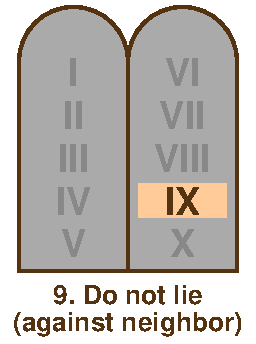 This commandment does not say "do not lie". Discuss: How can you "lie" and yet not bear "false witness" against one's "neighbor"?