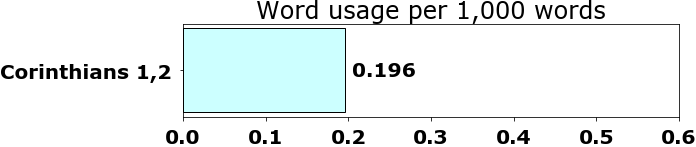
- *G2990 *6 λανθάνω (lan-than'-o) : a prolonged form of a primary verb, which is used only as an alternate in certain tenses; to lie hid (literally or figuratively); often used adverbially, unwittingly:--be hid, be ignorant of, unawares.
- λαθειν
- Mark 7:24 ... it: but he could not be hid.
- ελαθεν
- Luke 8:47 ... saw that she was not hid, she came trembling, ...
- λανθανειν
- Acts 26:26 ... I am persuaded that none of these things are hidden from him; for this thing ...
- ελαθον
- Hebrews 13:2 ... some have entertained angels unawares.
- λανθανει
- 2 Peter 3:5 For this they willingly are ignorant of, that by the word of God ...
- λανθανετω
- 2 Peter 3:8 But, beloved, be not ignorant of this one thing, ...
69. Usage - hidden
*G2990 *6 λανθάνω (lan-than'-o) : a prolonged form of a primary verb, which is used only as an alternate in certain tenses; to lie hid (literally or figuratively); often used adverbially, unwittingly:--be hid, be ignorant of, unawares.
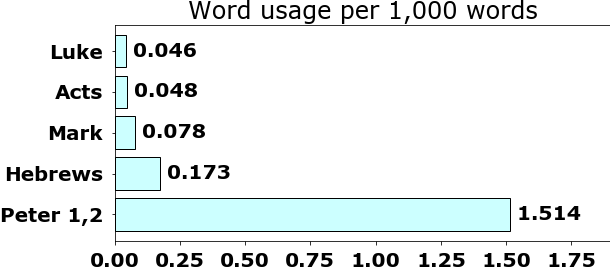 |
Words: ελαθεν ελαθον λαθειν λανθανει λανθανειν λανθανετω
|
70. An agnostic Jew
An "
agnostic Jew" might be defined as "
a Jew who knows what the God he does not believe in requires of him.".
A common saying is that when you get two Jews together to discuss a matter, you might get (at least) three opinions on the matter.
71. Romans 1:13 Commas are important
Romans 1:13 Now I would not have you ignorant, brethren, that oftentimes I purposed to come unto you, (but was let hitherto,) that I might have some fruit among you also, even as among other Gentiles. [kjv]
ου θελω δε υμας αγνοειν αδελφοι οτι πολλακις προεθεμην ελθειν προς υμας και εκωλυθην αχρι του δευρο ινα καρπον τινα καρπον σχω και εν υμιν καθως και εν τοις λοιποις εθνεσιν [gnt]
The comma as "
," is important in English. Do you see (and hear) the difference?
- I would not have you ignorant, brethren, that ...
- I would not have you, ignorant brethren, that ...
- Let's eat, grandma.
- Let's eat grandma.
EUB (Evangelical United Brethren) or, for short,
UB (United Brethren).
72. Romans 1:13 Commas are important
Romans 1:13 Now I would not have you ignorant, brethren, that oftentimes I purposed to come unto you, (but was let hitherto,) that I might have some fruit among you also, even as among other Gentiles. [kjv]
ου θελω δε υμας αγνοειν αδελφοι οτι πολλακις προεθεμην ελθειν προς υμας και εκωλυθην αχρι του δευρο ινα καρπον τινα καρπον σχω και εν υμιν καθως και εν τοις λοιποις εθνεσιν [gnt]
Sign:
ALLIGATORS DO NOT SWIM HERE
Saying:
See you later, alligator. In a while, crocodile.
[deer crossing sign]
73. Romans 1:13
KJV: Now I would not have you ignorant, brethren, that oftentimes I purposed to come unto you, (but was let hitherto,) that I might have some fruit among you also, even as among other Gentiles.
Greek: ου θελω δε υμας αγνοειν αδελφοι οτι πολλακις προεθεμην ελθειν προς υμας και εκωλυθην αχρι του δευρο ινα καρπον τινα καρπον σχω και εν υμιν καθως και εν τοις λοιποις εθνεσιν
74. Apathy
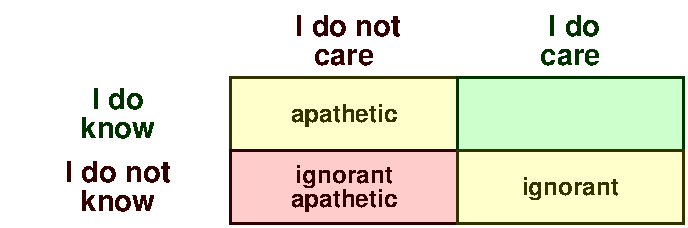
Ignorance and apathy often go together. One hears: "
I do not know and do not care".
 |
Details are left as a future topic.
|
75. Conspiracy theory
The term "
conspiracy theory" is an explanation for something that invokes some evil group creating a story that does not have justification or a basis in reality.
- The word "conspire" comes from the Latin for "same breath".
- The word "theory" comes from the Greek for "think" as in "theorize".
Many people invoke the "
conspiracy theory" explanation without actually knowing what happened in reality nor do they care about what happened in reality nor do they think through what they are saying.
As such, some people who invoke a "
conspiracy theory" explanation are ignorant (not knowing), apathetic (not caring) and foolish (not thinking).
76. Proverbs 25:2
KJV: It is the glory of God to conceal a thing: but the honour of kings is to search out a matter.
Hebrew: כבד אלהים הסתר דבר וכבד מלכים חקר דבר׃
Greek: δοξα θεου κρυπτει λογον δοξα δε βασιλεως τιμα πραγματα
77. Conspiracy theory
If there is a basis in reality for a set of claims, one might want to at least investigate to the point of being able to make an accurate determination of the claims.
Proverbs 25:2 It is the glory of God to conceal a thing: but the honour of kings is to search out a matter. [kjv]
As an alternative, for concealed, unknown or hidden things, one could just call it a "
conspiracy theory" and move on to other matters.
Note: The
LXX uses some interesting words in this verse.
 |
Details are left as a future topic.
|
The way to avoid a conspiracy theory explanation is to preempt that idea with reasonable explanations or facts that would contradict a possible conspiracy theory.
The religious establishment attempts this in Matthew 27.
78. Matthew 27:62-64
Matthew 27:62 Now the next day, that followed the day of the preparation, the chief priests and Pharisees came together unto Pilate, [kjv]
27:63 Saying, Sir, we remember that that deceiver said, while he was yet alive, After three days I will rise again. [kjv]
27:64 Command therefore that the sepulchre be made sure until the third day, lest his disciples come by night, and steal him away, and say unto the people, He is risen from the dead: so the last error shall be worse than the first. [kjv]
79. Matthew 27:62
KJV: Now the next day, that followed the day of the preparation, the chief priests and Pharisees came together unto Pilate,
Greek: τη δε επαυριον ητις εστιν μετα την παρασκευην συνηχθησαν οι αρχιερεις και οι φαρισαιοι προς πιλατον
80. Matthew 27:63
KJV: Saying, Sir, we remember that that deceiver said, while he was yet alive, After three days I will rise again.
Greek: λεγοντες κυριε εμνησθημεν οτι εκεινος ο πλανος ειπεν ετι ζων μετα τρεις ημερας εγειρομαι
81. Matthew 27:64
KJV: Command therefore that the sepulchre be made sure until the third day, lest his disciples come by night, and steal him away, and say unto the people, He is risen from the dead: so the last error shall be worse than the first.
Greek: κελευσον ουν ασφαλισθηναι τον ταφον εως της τριτης ημερας μηποτε ελθοντες οι μαθηται αυτου νυκτος κλεψωσιν κλεψωσιν αυτον και ειπωσιν τω λαω ηγερθη απο των νεκρων και εσται η εσχατη πλανη χειρων της πρωτης
82. Matthew 27:65-66 Custodians
Matthew 27:65 Pilate said unto them, Ye have a watch: go your way, make it as sure as ye can. [kjv]
εφη δε αυτοις ο πιλατος εχετε κουστωδιαν υπαγετε ασφαλισασθε ως οιδατε [gnt]
… custodiam … custodite … [v]
27:66 So they went, and made the sepulchre sure, sealing the stone, and setting a watch. [kjv]
The
"watch" in Greek is «
κουστωδίας» which was a word borrowed from Latin
"custodibus" and from which we get the word "
custodian".
- The Latin word "custodio" ≈ "monitor, supervise, guard" and is the source of English words such as "custodian", "custody", etc.
After the resurrection, some of the
custodians went to tell the chief priests what had happened.
83. Matthew 27:66 Custodians
Matthew 27:66 So they went, and made the sepulchre sure, sealing the stone, and setting a watch. [kjv]
οι δε πορευθεντες ησφαλισαντο τον ταφον σφραγισαντες τον λιθον μετα της κουστωδιας [gnt]
… lapidem … custodibus [v]
… stann … wearden. [wes]
… камень … кустодиею. [ocs]
The "
watch" in Greek is «
κουστωδίας» which was a word borrowed from Latin "
custodibus" and from which we get the word "
custodian".
After the resurrection, some of the custodians went to tell the chief priests what had happened.
The Old English word
"wearden" ≈ "watch, guard" and is the second part of the English word
"lord" as, originally, "
load guarder" or "
bread guarder".
84. Matthew 27:66
KJV: So they went, and made the sepulchre sure, sealing the stone, and setting a watch.
Greek: οι δε πορευθεντες ησφαλισαντο τον ταφον σφραγισαντες τον λιθον μετα της κουστωδιας
Latin: illi autem abeuntes munierunt sepulchrum signantes lapidem cum custodibus
Wessex: Soðlice hyo ferdon. & ymb-tremedon þa byrigenne. & inseggledon þanne stann mid þam wearden.
Slavonic: Они же шедше утвердиша гроб, знаменавше камень с кустодиею.
85. Matthew 27:65
KJV: Pilate said unto them, Ye have a watch: go your way, make it as sure as ye can.
Greek: εφη δε αυτοις ο πιλατος εχετε κουστωδιαν υπαγετε ασφαλισασθε ως οιδατε
Latin: ait illis Pilatus habetis custodiam ite custodite sicut scitis
86. Matthew 27:66
KJV: So they went, and made the sepulchre sure, sealing the stone, and setting a watch.
Greek: οι δε πορευθεντες ησφαλισαντο τον ταφον σφραγισαντες τον λιθον μετα της κουστωδιας
Latin: illi autem abeuntes munierunt sepulchrum signantes lapidem cum custodibus
87. Deuteronomy 11:26 Bliss
Deuteronomy 11:26 Behold, I set before you this day a blessing and a curse; [kjv]
There is a saying that "
ignorance is bliss". The English word
"bliss" is related to the English word
"bless".
Many verses show the Middle English use of the word "
bliss" for both "
bliss" as "
joy" and "
bliss" as "
bless" as in a "
good word" which is the literal meaning of the ancient Greek word.
88. Deuteronomy 11:26
KJV: Behold, I set before you this day a blessing and a curse;
Hebrew: ראה אנכי נתן לפניכם היום ברכה וקללה׃
Greek: ιδου εγω διδωμι ενωπιον υμων σημερον ευλογιαν και καταραν
Latin: en propono in conspectu vestro hodie benedictionem et maledictionem
Wycliffe: Lo! Y sette forth in youre siyt to day blissyng and cursyng;
Luther: Siehe, ich lege euch heute vor den Segen und den Fluch:
89. Mark 10:16
Mark 10:16 And he took them up in his arms, put his hands upon them, and blessed them. [kjv]
και εναγκαλισαμενος αυτα κατευλογει τιθεις τας χειρας επ αυτα ηυλογει αυτα [gnt]
90. Mark 10:16
KJV: And he took them up in his arms, put his hands upon them, and blessed them.
Greek: και εναγκαλισαμενος αυτα κατευλογει τιθεις τας χειρας επ αυτα ηυλογει αυτα
Latin: et conplexans eos et inponens manus super illos benedicebat eos
Wessex: Ða be-clepte he hyo & his hande ofer hyo settende bletsede hyo.
Wycliffe: And he biclippide hem, and leide hise hondis on hem, and blisside hem.
Gothic: jah gathlaihands im, lagjands handuns ana tho thiuthida im.
Luther: Und er herzete sie und legte die Hände auf sie und segnete sie.
91. Luke 1:14
Luke 1:14 And thou shalt have joy and gladness; and many shall rejoice at his birth. [kjv]
και εσται χαρα σοι και αγαλλιασις και πολλοι επι τη γεννησει γενεσει αυτου χαρησονται [gnt]
92. Luke 1:14
KJV: And thou shalt have joy and gladness; and many shall rejoice at his birth.
Greek: και εσται χαρα σοι και αγαλλιασις και πολλοι επι τη γεννησει γενεσει αυτου χαρησονται
Latin: et erit gaudium tibi et exultatio et multi in nativitate eius gaudebunt
Wessex: & he byð þe to blisse. & manega on his akynnednysse ge-fageneð.
Wycliffe: And ioye and gladyng schal be to thee; and many schulen`haue ioye in his natyuyte.
Tyndale: and thou shalt have ioye and gladnes and many shall reioyce at his birth.
Gothic: jah wairthith thus faheds jah swegnitha, jah managai in gabaurthai is faginond.
Luther: Und du wirst des Freude und Wonne haben, und viele werden sich seiner Geburt freuen.
93. Ignorance is bliss
If ignorance is bliss, why aren't more people happy? Thomas Jefferson (American statesman, diplomat, scientist and 3rd President of the United States from 1801-1809) .
94. Ignorance is bliss
Some people would prefer not to hear about "
truth" or other things. This provides "
peace of mind".
- "Out of sight, out of mind"
- "What you don't know won't hurt you"
Some people would rather not hear that there are things they do not want to hear.
95. Uncomfortable truths
Sometimes we discover unpleasant truths. Whenever we do so, we are in difficulties: suppressing them is scientifically dishonest, so we must tell them, but telling them, however, will fire back on us. [body of letter omitted] If the conjecture "You would rather that I had not disturbed you by sending you this." is correct, you may add it to the list of uncomfortable truths. Dijkstra, E. (June 18, 1975). "
How do we tell truths that hurt?", EWD 498.
96. Did you know?
The phrase "
did you know?" can be informative or might be classified as "
gossip".
The Christmas song "
Mary, did you know?" is from 1984 by Mark Lowry with music by Buddy Greene in 1991.
97. Leviticus 5:17
Leviticus 5:17 And if a soul sin, and commit any of these things which are forbidden to be done by the commandments of the LORD; though he wist it not, yet is he guilty, and shall bear his iniquity. [kjv]
και η ψυχη η αν αμαρτη και ποιηση μιαν απο πασων των εντολων κυριου ων ου δει ποιειν και ουκ εγνω και πλημμεληση και λαβη την αμαρτιαν [lxx]
A fundamental concept in law is that "
ignorance of the law is no excuse".
This was true in both
OT (Old Testament) and
NT (New Testament) times, and throughout history.
98. Leviticus 5:17
KJV: And if a soul sin, and commit any of these things which are forbidden to be done by the commandments of the LORD; though he wist it not, yet is he guilty, and shall bear his iniquity.
Hebrew: ואם נפש כי תחטא ועשתה אחת מכל מצות יהוה אשר לא תעשינה ולא ידע ואשם ונשא עונו׃
Greek: και η ψυχη η αν αμαρτη και ποιηση μιαν απο πασων των εντολων κυριου ων ου δει ποιειν και ουκ εγνω και πλημμεληση και λαβη την αμαρτιαν
Brenton: And the soul which shall sin, and do one thing against any of the commandments of the Lord, which it is not right to do, and has not known it, and shall have transgressed, and shall have contracted guilt,
99. Romans 7:1
Romans 7:1 Know ye not, brethren, (for I speak to them that know the law, ) how that the law hath dominion over a man as long as he liveth? [kjv]
η αγνοειτε αδελφοι γινωσκουσιν γαρ νομον λαλω οτι ο νομος κυριευει του ανθρωπου εφ οσον χρονον ζη [gnt]
In marketing terms, the "
I know that I do not know" my be sufficient. The opening of the eyes can be for good but it can be for something that is not good.
100. Romans 7:1
KJV: Know ye not, brethren, (for I speak to them that know the law, ) how that the law hath dominion over a man as long as he liveth?
Greek: η αγνοειτε αδελφοι γινωσκουσιν γαρ νομον λαλω οτι ο νομος κυριευει του ανθρωπου εφ οσον χρονον ζη
101. Ignorance of the law
Ignorance of the law is no excuse in any country. If it were, the laws would lose their effect, because it can always be pretended. Thomas Jefferson (American statesman, diplomat, scientist and 3rd President of the United States from 1801-1809) .
Such ignorance is sometimes called "
plausible deniability".
102. Song: Open my eyes that I may see
Psalms 119:18 Open thou mine eyes, that I may behold wondrous things out of thy law. [kjv]
… עיני … [he]
αποκαλυψον τους οφθαλμους μου και κατανοησω τα θαυμασια σου εκ του νομου σου [lxx]
The hymn "
Open my eyes that I may see" was based on Psalms 119:18. Additional verses cover the
"ears", "
mouth" and "
mind".
It was written in 1895 by
Clara Scott (American composer) . Growing up on a farm in the mid-west, the family moved to Chicago. She was the first woman to publish a volume of anthems. In 1897, returning from a funeral with some friends, she was thrown from her carriage and died instantly from the accident at age 55.
[hymn 486]
103. Ignorance of the law
In Genesis, Adam and Eve were not "
ignorant" of the law but they did choose to "
ignore" the law.
Genesis 3:3 But of the fruit of the tree which is in the midst of the garden, God hath said, Ye shall not eat of it, neither shall ye touch it, lest ye die. [kjv]
3:5 For God doth know that in the day ye eat thereof, then your eyes shall be opened, and ye shall be as gods, knowing good and evil. [kjv]
3:7 And the eyes of them both were opened, and they knew that they were naked; and they sewed fig leaves together, and made themselves aprons. [kjv]
104. Garden of Eden
Adam and Eve both "
knew that they did not know" both "
good" and "
evil".
Discussion question:
- Did Adam and Eve know "good" before eating the fruit?
- Did Adam and Eve know "evil" before eating the fruit?
Discuss: If they knew "
good" before eating the fruit but only knew "
evil" after eating the fruit, then eating the fruit introduced "
evil" and not "
good". Why is it then called the tree of "
good" and "
evil" and not just the tree of "
evil"?
105. Genesis 3:3
KJV: But of the fruit of the tree which is in the midst of the garden, God hath said, Ye shall not eat of it, neither shall ye touch it, lest ye die.
Hebrew: ומפרי העץ אשר בתוך הגן אמר אלהים לא תאכלו ממנו ולא תגעו בו פן תמתון׃
Greek: απο δε καρπου του ξυλου ο εστιν εν μεσω του παραδεισου ειπεν ο θεος ου φαγεσθε απ αυτου ουδε μη αψησθε αυτου ινα μη αποθανητε
106. Genesis 3:5
KJV: For God doth know that in the day ye eat thereof, then your eyes shall be opened, and ye shall be as gods, knowing good and evil.
Hebrew: כי ידע אלהים כי ביום אכלכם ממנו ונפקחו עיניכם והייתם כאלהים ידעי טוב ורע׃
Greek: ηδει γαρ ο θεος οτι εν η αν ημερα φαγητε απ αυτου διανοιχθησονται υμων οι οφθαλμοι και εσεσθε ως θεοι γινωσκοντες καλον και πονηρον
107. Genesis 3:7
KJV: And the eyes of them both were opened, and they knew that they were naked; and they sewed fig leaves together, and made themselves aprons.
Hebrew: ותפקחנה עיני שניהם וידעו כי עירמם הם ויתפרו עלה תאנה ויעשו להם חגרת׃
Greek: και διηνοιχθησαν οι οφθαλμοι των δυο και εγνωσαν οτι γυμνοι ησαν και ερραψαν φυλλα συκης και εποιησαν εαυτοις περιζωματα
108. Romans 1:20 Lack of ignorance
Romans 1:20 For the invisible things of him from the creation of the world are clearly seen, being understood by the things that are made, even his eternal power and Godhead; so that they are without excuse: [kjv]
τα γαρ αορατα αυτου απο κτισεως κοσμου τοις ποιημασιν νοουμενα καθοραται η τε αιδιος αυτου δυναμις και θειοτης εις το ειναι αυτους αναπολογητους [gnt]
Some things are evident and ignorance is not an excuse.
109. Romans 1:20
KJV: For the invisible things of him from the creation of the world are clearly seen, being understood by the things that are made, even his eternal power and Godhead; so that they are without excuse:
Greek: τα γαρ αορατα αυτου απο κτισεως κοσμου τοις ποιημασιν νοουμενα καθοραται η τε αιδιος αυτου δυναμις και θειοτης εις το ειναι αυτους αναπολογητους
Latin: invisibilia enim ipsius a creatura mundi per ea quae facta sunt intellecta conspiciuntur sempiterna quoque eius virtus et divinitas ut sint inexcusabiles
110. Declaration of Independence
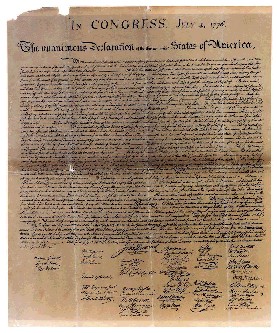
Declaration of Independence, July 4, 1776, The Unanimous Declaration of The Thirteen United States of America.
We hold these truths to be self-evident, that all men are created equal, that they are endowed by their Creator with certain unalienable Rights, that among these are Life, Liberty, and the pursuit of Happiness.
The "
created equal" comes from the Bible, but the Bible only indicates equality before God and equality on earth at birth. Some pastors and others will use the Bible to promote political and social agendas in the name of freedom and equality.
The American Revolution opened the floodgates for humanistic revolutions around the globe, starting with the (atheistic and secular) French Revolution in 1789-1794.
111. NO excuse sir
When a cadet at West Point has done (wrong) or not done something (that was to be done), the required response is "
No excuse sir" (starting in 1976, it became "
no excuse sir/ma'am"). There may be "
reasons" but there are no "
excuses".
One might not have known about something (ignorance) or chose to ignore something known. There could be "
reasons" that could not be anticipated. It does not matter. There is "
no excuse".
112. Excuse me
Sometimes one must "
excuse" oneself before the action happens.
One little girl, almost 3-1/2 years old, in order to get to something, exclaimed, "
Excuse me! I need to get in the way!".
113. Stethoscope and reading
114. Leaders
Leaders, both civil and religious, will often use public ignorance to their own advantage.
115. Religious leaders
Religious leaders will always avail themselves of public ignorance for their own purpose. Thomas Jefferson (American statesman, diplomat, scientist and 3rd President of the United States from 1801-1809) .
116. Kanizsa triangle: seeing what is not there

We often see or perceive things that are not actually there. Do you see the triangle?
There is no triangle! Your brain makes the triangle that you see. The eye just passed along the image information to the brain which organizes ind recognizes it.
Abstraction involves looking at
similarities and
differences and filling in missing details - sometimes appropriately, sometimes inappropriately. This abstraction can be used to deceive by providing some details but leaving other details to be filled in by unsuspecting listeners or viewers.
117. 2 Peter 3:5 Willingly ignorant
2 Peter 3:5 For this they willingly are ignorant of, that by the word of God the heavens were of old, and the earth standing out of the water and in the water: [kjv]
λανθανει γαρ αυτους τουτο θελοντας οτι ουρανοι ησαν εκπαλαι και γη εξ υδατος και δι υδατος συνεστωσα τω του θεου λογω [gnt]
Sometimes, one wants to be "
willfully ignorant".
In 2 Peter, the
KJV translates a word as "
ignorant" but it means something closer to "
deceived" or "
misled" or "
hidden from"
118. 2 Peter 3:5
KJV: For this they willingly are ignorant of, that by the word of God the heavens were of old, and the earth standing out of the water and in the water:
Greek: λανθανει γαρ αυτους τουτο θελοντας οτι ουρανοι ησαν εκπαλαι και γη εξ υδατος και δι υδατος συνεστωσα τω του θεου λογω
119. Hidden in the castle
Matthew 13:44 Again, the kingdom of heaven is like unto treasure hid in a field; the which when a man hath found, he hideth, and for joy thereof goeth and selleth all that he hath, and buyeth that field. [kjv]
|
|
|
|
Martin Luther
|
Frederick III
|
A fundamental concept of
information (and
statistics) is that of what is known by who at a certain point in time.
Definition:
Information is
data that is recognized from a certain point of view (e.g., by an intelligent entity).
When Frederick III, Elector of Saxony, wanted to hide Martin Luther, he had him hid by others in one of his castles (without telling him where) so that he could say that he truthfully say that he did not know where he was. He could find out where Martin Luther was, but he did not actually know where Martin Luther was.
Was Martin Luther, as a "
treasure",
"found" and then
"hid" in a
"field" (the world)? In the historical interpretation, the parable of the treasure in a field fits with the time of the Reformation.
120. Knowledge and ignorance and stupidity
There are some interesting quotes on knowledge, ignorance and stupidity.
 |
Details are left as a future topic.
|
121. Knowledge
Our knowledge can only be finite, while our ignorance must necessarily be infinite. Karl Popper (Austrian-British science philosopher)
122. Infinite things
Two things are infinite: the universe and human stupidity; and I'm not sure about the universe. Albert Einstein's (Physicist)
123. Ignorance and stupidity
Men are born ignorant, not stupid. They are made stupid by education. Bertrand Russell (British philosopher, logician and social critic)
Too much book or head knowledge is not good without some street smarts about reality.
124. 2 Timothy 3:7 Ever learning
2 Timothy 3:7 Ever learning, and never able to come to the knowledge of the truth. [kjv]
παντοτε μανθανοντα και μηδεποτε εις επιγνωσιν αληθειας ελθειν δυναμενα [gnt]
125. 2 Timothy 3:7
KJV: Ever learning, and never able to come to the knowledge of the truth.
Greek: παντοτε μανθανοντα και μηδεποτε εις επιγνωσιν αληθειας ελθειν δυναμενα
Latin: semper discentes et numquam ad scientiam veritatis pervenientes
126. Project planning
There are crucial elements to systems that cannot be known in advance. Project planning requires an iterative process. You can't do it once and be done with it (e.g., the Waterfall method).
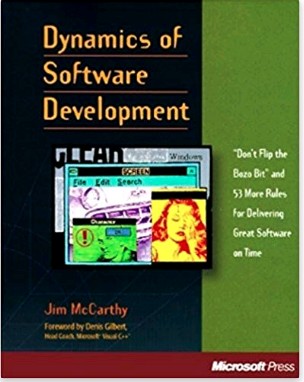 The goal on a software development project is not to have the correct plan in advance but to make the right decisions every day as things that were unknown become known. James McCarthy (Microsoft software developer and manager)
McCarthy, J. (1995).
Dynamics of Software Development. Redmond, WA: Microsoft Press., p. 101.
127. John 20:9
John 20:9 For as yet they knew not the scripture, that he must rise again from the dead. [kjv]
128. John 20:9
KJV: For as yet they knew not the scripture, that he must rise again from the dead.
Greek: ουδεπω γαρ ηδεισαν την γραφην οτι δει αυτον εκ νεκρων αναστηναι
129. Luke 24:16
Luke 24:16 But their eyes were holden that they should not know him. [kjv]
130. Luke 24:16
KJV: But their eyes were holden that they should not know him.
Greek: οι δε οφθαλμοι αυτων εκρατουντο του μη επιγνωναι αυτον
131. End of page
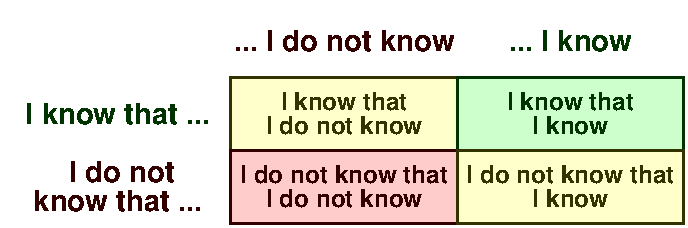 Ignorance has to do with not knowing something with an emphasis on "not knowing that one does not know".








 It is essential not to profess to know, or to seem to know, or to accept that someone else knows, that which is unknown. James McCarthy (Microsoft software developer and manager)

 It is acceptable - even mandatory - to articulate your ignorance, so that no one misjudges the state of things, how much is still unknown. If you don't cultivate and disseminate a "lucid ignorance", disaster will surely befall you. James McCarthy (Microsoft software developer and manager)

 ...when something is unknown, the best policy is to state that simple fact, even if the unknown is not knowing when the software will ship. Don't worry about it. No one can be hired to take your place who will be able to know the unknown. James McCarthy (Microsoft software developer and manager)






 Part of the purpose of marketing is to make people aware of things of which they are not aware.




 Sometimes, the act of announcing that something is "prohibited" gives people the idea that they might want to do that.
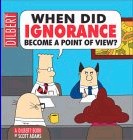 Scott Adams, creator of the cartoon series (and books) Dilbert (and related characters), uses ignorance as one (among many) themes in his humor. One book (of cartoons) is entitled "When did ignorance become a point of view?".
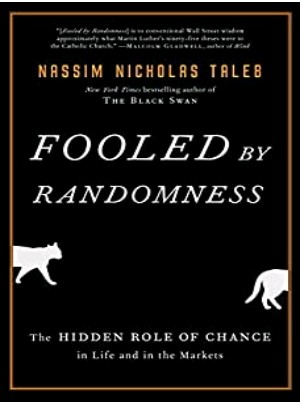
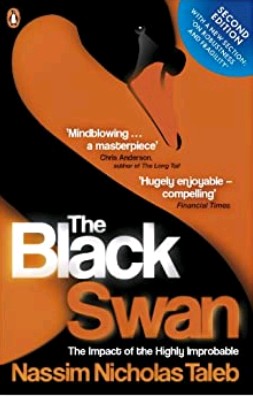 In his book, Fooled by randomness (2001), Taleb introduces the "black swan" idea to refer to business (and other world) events and was then developed into the book The black swan (2007).