Mark 8:35 For whosoever will save his life shall lose it; but whosoever shall lose his life for my sake and the gospel's, the same shall save it. [kjv]
ος γαρ αν εαν θελη την εαυτου ψυχην ψυχην αυτου σωσαι απολεσει αυτην ος δ αν απολεση απολεσει την ψυχην αυτου ενεκεν εμου και του ευαγγελιου ουτος σωσει αυτην [gnt]
8:36 For what shall it profit a man, if he shall gain the whole world, and lose his own soul? [kjv]
τι γαρ ωφελησει ωφελει ανθρωπον εαν κερδηση κερδησαι τον κοσμον ολον και ζημιωθη ζημιωθηναι την ψυχην αυτου [gnt]
8:37 Or what shall a man give in exchange for his soul? [kjv]
η τι δωσει γαρ δοι ανθρωπος ανταλλαγμα της ψυχης αυτου [gnt]
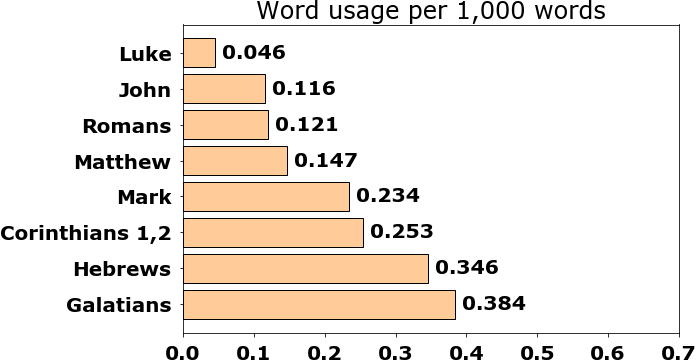
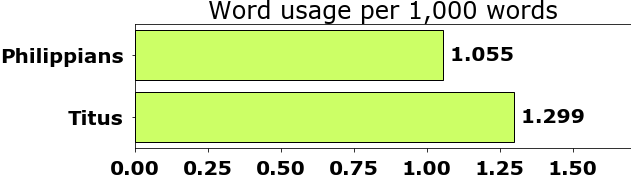
We see Mark using the word for
"gain" and the opposite for
"loss".
Jesus, in Luke, has some words about pain, as toil and work in this world and gain in another world.
Luke 9:24 For whosoever will save his life shall lose it: but whosoever will lose his life for my sake, the same shall save it. [kjv]
ος γαρ αν θελη την ψυχην αυτου σωσαι απολεσει αυτην ος δ αν απολεση την ψυχην αυτου ενεκεν εμου ουτος σωσει αυτην [gnt]
9:25 For what is a man advantaged, if he gain the whole world, and lose himself, or be cast away? [kjv]
τι γαρ ωφελειται ανθρωπος κερδησας τον κοσμον ολον εαυτον δε απολεσας η ζημιωθεις [gnt]
… proficit … lucretur … [v]
 |
Details are left as a future topic.
|
Matthew 25:16 Then he that had received the five talents went and traded with the same, and made them other five talents. [kjv]
πορευθεις δε ο τα πεντε ταλαντα λαβων ειργασατο ηργασατο εν αυτοις και εποιησεν εκερδησεν αλλα πεντε ταλαντα [gnt]
The literal meaning of
"talents" is clear. The figurative or
code word meaning has some logical issues. The second
"talent" is added by the
KJV (King James Version) (and many translations).
If one defines
"talent" as
"ability", then the servant
"gained" "five" more
"abilities" to go with what was given at the start. Did the servant make up or create those additional
"abilities"?
If one defines
"talent" as
"gain", then the servant was provided
"five" "gains" to start with. To define each as
different is an equivocation. That is, making different (figurative in this case) meanings
equal.
Matthew 25:16 Then he that had received the five talents went and traded with the same, and made them other five talents. [kjv]
πορευθεις δε ο τα πεντε ταλαντα λαβων ειργασατο ηργασατο εν αυτοις και εποιησεν εκερδησεν αλλα πεντε ταλαντα [gnt]
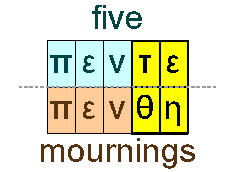
The Greek word for "
five" can be a play on words with "
mournings".
How does the meaning of this verse change if the meaning that Jesus uses for
"gain" is than of "
convincing" someone else of a viewpoint?
Matthew 25:17 And likewise he that had received two, he also gained other two. [kjv]
ωσαυτως και ο τα δυο εκερδησεν και αυτος αλλα δυο [gnt]
A similar reasoning goes for the "
two" talents, before and after.
The Greek word translated as
"other" is also the word for
"but" as in, using English idioms,
"on the other hand" or
"by the way" or
"in addition".
[President Truman and economists]
Matthew 25:17 And likewise he that had received two, he also gained other two. [kjv]
ωσαυτως και ο τα δυο εκερδησεν και αυτος αλλα δυο [gnt]
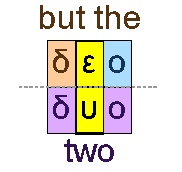
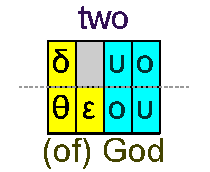
The Greek word for "
two" can be a play on words with "
of God" in both Greek
and in Latin or of "
but the".
How does the meaning of this verse change if the meaning that Jesus uses for
"gain" is than of "
convincing" someone else of a viewpoint?
John 2:15 And when he had made a scourge of small cords, he drove them all out of the temple, and the sheep, and the oxen; and poured out the changers' money, and overthrew the tables; [kjv]
και ποιησας φραγελλιον εκ σχοινιων παντας εξεβαλεν εκ του ιερου τα τε προβατα και τους βοας και των κολλυβιστων εξεχεεν το κερμα τα κερματα και τας τραπεζας ανεστρεψεν ανετρεψεν [gnt]
Is there any deeper meaning to calling the moneychangers by a name for coins that were often used to mark or store inside graves? The following words appear above and only here in the Bible and have the same meaning today.
The modern Greek word "κέρμα" (KEHR-ma) ≈ "coin".
The modern Greek word "κέρματα" (KEHR-ma-ta) ≈ "coins".
The
ancient Greek word
"κερδαίνω" ≈ "gain as profit" from
"κέρδος" ≈ "gain, profit". The word appears
23 times in the
GNT but
not in the
LXX. Jesus uses the word
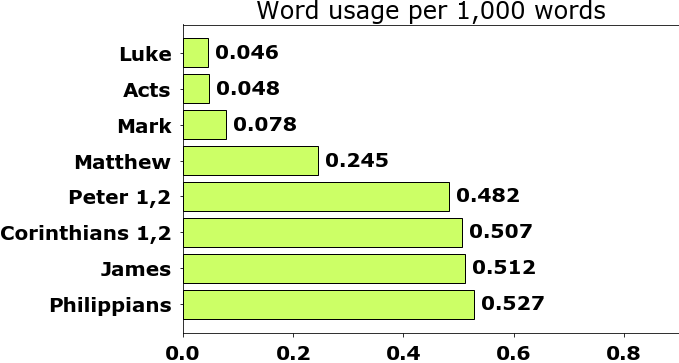
5 times in Matthew.,
3 times in the parable of the talents.
The
modern Greek word
"κέρδος" (KEHR-thos) ≈ "profit". There appears to be a relation between the word for "
coin" and the word for "
profit" or "
gain".