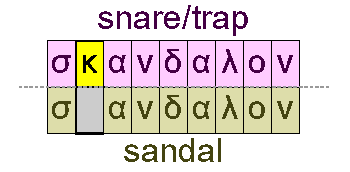
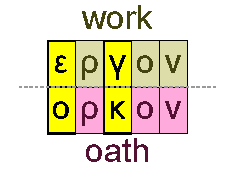
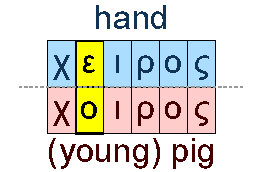
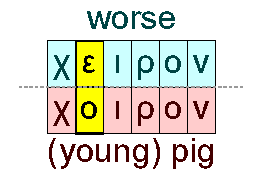
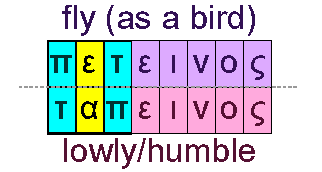
- *G2948 *4 κυλλός (kool-los') : from the same as G2947; rocking about, i.e. crippled (maimed, in feet or hands):--maimed.
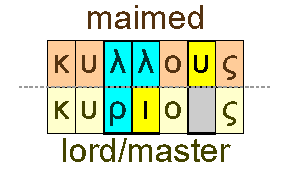
κυλλους *2
Matthew 15:30 ... those that were lame, blind, dumb, maimed, and many others, ...
Matthew 15:31 ... when they saw the dumb to speak, the maimed to be whole, the lame to walk, ...
κυλλον *2
Matthew 18:8 ... life halt or maimed, rather than having two ...
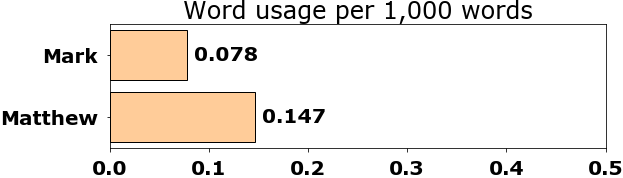
Mark 9:43 And if thy hand offend thee, cut it off: it is better for thee to enter into life maimed, than having two hands to go into hell, into the fire that never shall be quenched:
31. Matthew 18:8 Maimed and Lord
Matthew 18:8 Wherefore if thy hand or thy foot offend thee, cut them off, and cast them from thee: it is better for thee to enter into life halt or maimed, rather than having two hands or two feet to be cast into everlasting fire. [kjv]
ει δε η χειρ σου η ο πους σου σκανδαλιζει σε εκκοψον αυτα αυτον και βαλε απο σου καλον σοι εστιν εισελθειν εις την ζωην χωλον η κυλλον η χωλον η δυο χειρας η δυο ποδας εχοντα βληθηναι εις το πυρ το αιωνιον [gnt]
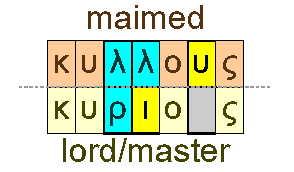
"κυλλός" ≈ "maimed, deformed, crooked"
"κύριος" ≈ "lord or master"
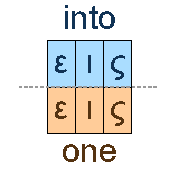
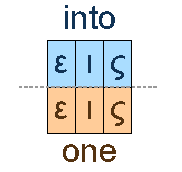
"εις" ≈ "into" and "εις" ≈ "one".
Do you want to go through life with "one" "lord/master"?
How would it work to have more than "one"?
Would a non-verbal hand motion to himself made this more clear?
This is
not the Greek word for
"one" that Jesus uses to refer to
you (
one cookie rule).
32. Matthew 6:24 Despise
Matthew 6:24 No man can serve two masters: for either he will hate the one, and love the other; or else he will hold to the one, and despise the other. Ye can not serve God and mammon. [kjv]
ουδεις δυναται δυσιν κυριοις δουλευειν η γαρ τον ενα μισησει και τον ετερον αγαπησει η ενος ανθεξεται και του ετερου καταφρονησει ου δυνασθε θεω δουλευειν και μαμμωνα μαμωνα [gnt]
The ancient Greek word
"καταφρόνησις" ≈ "think badly of, hold in contempt, despise". Note that this can be done
without the other person knowing.
False leaders,
false teachers, etc., will show an
outward appearance that is
different from their
inside heart. [hypocrite, bird preen feathers, do not want to be fact checked][burn in their hate]
The ancient Greek prefix
"κατά" ≈ "back, downwards, against, fully, completely".
The ancient Greek word
"φρόνιμος" ≈ "sensible, mindful" and comes from the ancient Greek word
"φρήν" ≈ "midriff, stomach". A
"sensible" approach requires that trade-offs be made.
[fasting and hiding of faces, treasure disappearing]
[without spots, opinion, glory, statement or question]
33. Matthew 18:8 Beautifully pulling the leg
Matthew 18:8 Wherefore if thy hand or thy foot offend thee, cut them off, and cast them from thee: it is better for thee to enter into life halt or maimed, rather than having two hands or two feet to be cast into everlasting fire. [kjv]
ει δε η χειρ σου η ο πους σου σκανδαλιζει σε εκκοψον αυτα αυτον και βαλε απο σου καλον σοι εστιν εισελθειν εις την ζωην χωλον η κυλλον η χωλον η δυο χειρας η δυο ποδας εχοντα βληθηναι εις το πυρ το αιωνιον [gnt]
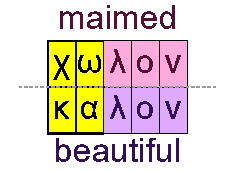
"χωλόν," ≈ "lame, limping".
"καλόν" ≈ "beautifully"
The
ancient Greek word
"χωλός" ≈ "lame, limping". Figuratively, it meant maimed, imperfect, defective, etc.
"κῶλον" ≈ "part of something, member, leg/arm". Synonym is "μέλος" ≈ "member".
"κόλον" ≈ "colon"
34. Matthew 18:9 Members
Matthew 18:9 And if thine eye offend thee, pluck it out, and cast it from thee: it is better for thee to enter into life with one eye, rather than having two eyes to be cast into hell fire. [kjv]
και ει ο οφθαλμος σου σκανδαλιζει σε εξελε αυτον και βαλε απο σου καλον σοι εστιν μονοφθαλμον εις την ζωην εισελθειν η δυο οφθαλμους εχοντα βληθηναι εις την γεενναν του πυρος [gnt]
Jesus avoids using the word
"one" in this verse. Doing so would break the pattern model. Jesus then uses (makes up) the ancient Greek word
"μονόφθαλμον" ≈ "one-eyed" rather than the more usual
"one" "eye" or
"eye" "one". In this discourse, the word
"one" has an important secondary meaning and using the word for
"one" with
"eye" in this verse would
not match the pattern model.
35. Enter into or go away from into the life
Matthew 18:8 … for thee to enter into life halt or maimed, … [kjv]
… εστιν εισελθειν εις την ζωην χωλον η κυλλον η χωλον … [gnt]
7:14 Because strait is the gate, and narrow is the way, which leadeth unto life, and few there be that find it. [kjv]
οτι στενη η πυλη και τεθλιμμενη η οδος η απαγουσα εις την ζωην και ολιγοι εισιν οι ευρισκοντες αυτην [gnt]
| Matthew |
18:8 |
Matthew |
7:14 |
| English |
Greek |
Greek |
English |
| goes into |
εἰσελθεῖν |
**ἀπάγουσα |
leads away from |
| into |
εἰς |
εἰς |
into |
| *the |
τὴν |
τὴν |
*the |
| life |
ζωὴν |
ζωὴν |
life |
|
*
omitted in many English translations.
**translated as
"leads into"
36. Matthew 7:15 Daniel Defoe
Matthew 7:15 Beware of false prophets, which come to you in sheep's clothing, but inwardly they are ravening wolves. [kjv]
προσεχετε δε απο των ψευδοπροφητων οιτινες ερχονται προς υμας εν ενδυμασιν προβατων εσωθεν δε εισιν λυκοι αρπαγες [gnt]
Consider the John Wesley house analogy. Before going up the
steps and through the
door into the
house one should be sure that this is the house into which one wants to go.
English novelist, journalist, merchant (and pamphleteer and spy)
Daniel Defoe (1660-1731), known for
Robinson Crusoe in 1719, starts his poem
The true-born Englishman as follows.
Whenever God erects a house of prayer, the devil always builds a chapel there.
And 'twill be found, upon examination, the latter has the largest congregation.
How does this compare with a "
vineyard"? How about a "
synagogue" of "
Satan"?
37. Matthew 18:8-9 Into life
Matthew 18:8 Wherefore if thy hand or thy foot offend thee, cut them off, and cast them from thee: it is better for thee to enter into life halt or maimed, rather than having two hands or two feet to be cast into everlasting fire. [kjv]
ει δε η χειρ σου η ο πους σου σκανδαλιζει σε εκκοψον αυτα αυτον και βαλε απο σου καλον σοι εστιν εισελθειν εις την ζωην χωλον η κυλλον η χωλον η δυο χειρας η δυο ποδας εχοντα βληθηναι εις το πυρ το αιωνιον [gnt]
18:9 And if thine eye offend thee, pluck it out, and cast it from thee: it is better for thee to enter into life with one eye, rather than having two eyes to be cast into hell fire. [kjv]
και ει ο οφθαλμος σου σκανδαλιζει σε εξελε αυτον και βαλε απο σου καλον σοι εστιν μονοφθαλμον εις την ζωην εισελθειν η δυο οφθαλμους εχοντα βληθηναι εις την γεενναν του πυρος [gnt]
Twice it
two successive verses Jesus says, and appears to mean,
"enter" "into" "
the"
"life".
38. Matthew 18:8
KJV: Wherefore if thy hand or thy foot offend thee, cut them off, and cast them from thee: it is better for thee to enter into life halt or maimed, rather than having two hands or two feet to be cast into everlasting fire.
Greek: ει δε η χειρ σου η ο πους σου σκανδαλιζει σε εκκοψον αυτα αυτον και βαλε απο σου καλον σοι εστιν εισελθειν εις την ζωην χωλον η κυλλον η χωλον η δυο χειρας η δυο ποδας εχοντα βληθηναι εις το πυρ το αιωνιον
Latin: si autem manus tua vel pes tuus scandalizat te abscide eum et proice abs te bonum tibi est ad vitam ingredi debilem vel clodum quam duas manus vel duos pedes habentem mitti in ignem aeternum
Wycliffe: And if thin hoond or thi foot sclaundreth thee, kitte it of, and caste awei fro thee. It is betere to thee to entre to lijf feble, ethir crokid, than hauynge tweyne hoondis or twey feet to be sent in to euerlastynge fier.
Tyndale: Wherfore yf thy honde or thy fote offende the cut him of and cast him from the. It ys better for the to enter into lyfe halt or maymed rather then thou shuldest havinge two hondes or two fete be cast into everlasting fyre.
39. Matthew 18:9
KJV: And if thine eye offend thee, pluck it out, and cast it from thee: it is better for thee to enter into life with one eye, rather than having two eyes to be cast into hell fire.
Greek: και ει ο οφθαλμος σου σκανδαλιζει σε εξελε αυτον και βαλε απο σου καλον σοι εστιν μονοφθαλμον εις την ζωην εισελθειν η δυο οφθαλμους εχοντα βληθηναι εις την γεενναν του πυρος
Latin: et si oculus tuus scandalizat te erue eum et proice abs te bonum tibi est unoculum in vitam intrare quam duos oculos habentem mitti in gehennam ignis
Wycliffe: And if thin iye sclaundre thee, pulle it out, and caste awei fro thee. It is betere to thee with oon iye to entre in to lijf, thanne hauynge tweyn iyen to be sent in to the fier of helle.
Tyndale: And yf also thyne eye offende the plucke him oute and caste him from the. It is better for the to enter into lyfe with one eye then havyng two eyes to be cast into hell fyre.
40. Matthew 5:29-30 Similar verses
Matthew 5:29 And if thy right eye offend thee, pluck it out, and cast it from thee: for it is profitable for thee that one of thy members should perish, and not that thy whole body should be cast into hell. [kjv]
5:30 And if thy right hand offend thee, cut it off, and cast it from thee: for it is profitable for thee that one of thy members should perish, and not that thy whole body should be cast into hell. [kjv]
These verses in Matthew 5 are similar and yet different from the corresponding verses in Matthew 18.
Matthew 5: The order is "eye", "hand". No "foot" is mentioned.
Matthew 18: The order is "hand", "foot", "eye".
41. Matthew 18:8-9 Similar verses
Matthew 18:8 Wherefore if thy hand or thy foot offend thee, cut them off, and cast them from thee: it is better for thee to enter into life halt or maimed, rather than having two hands or two feet to be cast into everlasting fire. [kjv]
18:9 And if thine eye offend thee, pluck it out, and cast it from thee: it is better for thee to enter into life with one eye, rather than having two eyes to be cast into hell fire. [kjv]
These verses in Matthew 18 are similar and yet different from the corresponding verses in Matthew 5.
Matthew 18: The order is "hand", "foot", "eye".
Matthew 5: The order is "eye", "hand". No "foot" is mentioned.
The different order and different parts is a future topic (i.e., next lesson).
To simply the analysis, only the "
eye" verses will be used. The other is left as an exercise for the student. How many students ever do those exercises (unless they are assigned for homework)?
42. Matthew 18:8-9 Pluck out and cut off
Matthew 5:29 And if thy right eye offend thee, pluck it out, and cast it from thee: for it is profitable for thee that one of thy members should perish, and not that thy whole body should be cast into hell. [kjv]
18:9 And if thine eye offend thee, pluck it out, and cast it from thee: it is better for thee to enter into life with one eye, rather than having two eyes to be cast into hell fire. [kjv]
These verses, one in Matthew 5 and one in Matthew 18 appear similar. Can you explain the similarity and differences?
Why "right" in Matthew 5 and not in Matthew 18? Let us ignore that for now.
What does it mean to be "profitable"? What does it mean to be "better"? Are these correct translations?
Let us ignore any differences between "hell" and "hell fire".
Are these verses saying the same thing? Are they saying something different?
43. Similar verses in Matthew
Matthew 5:29 And if thy right eye offend thee, pluck it out, and cast it from thee: for it is profitable for thee that one of thy members should perish, and not that thy whole body should be cast into hell. [kjv]
18:9 And if thine eye offend thee, pluck it out, and cast it from thee: it is better for thee to enter into life with one eye, rather than having two eyes to be cast into hell fire. [kjv]
Jesus uses a
different Greek word in Matthew 5:29 than in Matthew 18:9. In both cases the
KJV makes a
value decision on which is more
"profitable" or
"better" whereas Jesus, as usual, does
not make a
value decision but appears to be providing two ways of saying something similar (or opposite). In Matthew 18:9 Jesus uses
"good" or
"right" for what is translated as
"better".
As a reader, one should make a
value decision but, in this case, the translators make the
value decision for the reader.
44. Matthew 5:29 Carried together
Matthew 5:29 And if thy right eye offend thee, pluck it out, and cast it from thee: for it is profitable for thee that one of thy members should perish, and not that thy whole body should be cast into hell. [kjv]
ει δε ο οφθαλμος σου ο δεξιος σκανδαλιζει σε εξελε αυτον και βαλε απο σου συμφερει γαρ σοι ινα αποληται εν των μελων σου και μη ολον το σωμα σου βληθη εις γεενναν [gnt]

The
ancient Greek word
"συμφέρω" ≈ "bring together, work with, to be carried along with" and means, literally,
"carry together".
The
KJV translates this word as
"profitable" while Jesus uses this word in the more literal sense of the before and after being
"carried together". Here are the similar ideas
"carried together" involving the
"eye" at the start of each clause.
Before: the eye (member) entraps so separate from it.
After: the member (eye) perishes and not the whole body.
45. Matthew 18:9 Good and not carried together
Matthew 18:9 And if thine eye offend thee, pluck it out, and cast it from thee: it is better for thee to enter into life with one eye, rather than having two eyes to be cast into hell fire. [kjv]
και ει ο οφθαλμος σου σκανδαλιζει σε εξελε αυτον και βαλε απο σου καλον σοι εστιν μονοφθαλμον εις την ζωην εισελθειν η δυο οφθαλμους εχοντα βληθηναι εις την γεενναν του πυρος [gnt]
Jesus does
not use the Greek word for
"carry together" here. Doing so would
break the model of how he uses that word in other places.
Here are the
not similar ideas and
not "carried together", involving the
"eye" and then "
you".
Before: the eye entraps so separate from it.
After: you enter (into the) life with one eye.
46. Matthew 18:9 Good and not carried together
Matthew 18:9 And if thine eye offend thee, pluck it out, and cast it from thee: it is better for thee to enter into life with one eye, rather than having two eyes to be cast into hell fire. [kjv]
και ει ο οφθαλμος σου σκανδαλιζει σε εξελε αυτον και βαλε απο σου καλον σοι εστιν μονοφθαλμον εις την ζωην εισελθειν η δυο οφθαλμους εχοντα βληθηναι εις την γεενναν του πυρος [gnt]
The Greek word translated as "
better" is that of
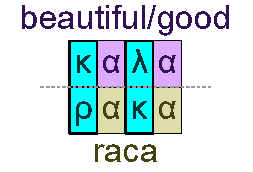
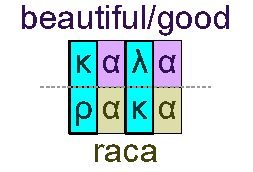
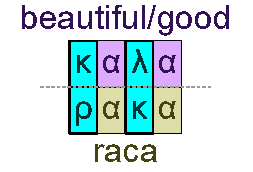
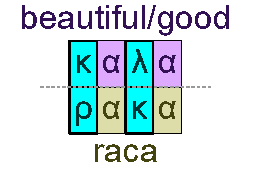
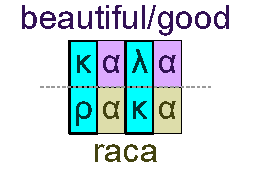
"καλον" ≈ "good, beautiful" or
"καλός" ≈ "beautiful, good, right".
The Spoonerism is
"ῥακά" ≈ "idiot, fool, good-for-nothing". One is
"raca" if one does not do what the "
council" desires unless it is in line with what Jesus desires.
47. Similar verses in Matthew
Matthew 5:29 And if thy right eye offend thee, pluck it out, and cast it from thee: for it is profitable for thee that one of thy members should perish, and not that thy whole body should be cast into hell. [kjv]
18:9 And if thine eye offend thee, pluck it out, and cast it from thee: it is better for thee to enter into life with one eye, rather than having two eyes to be cast into hell fire. [kjv]
Matthew 5:29: Similar ideas
"carried together" involving the
"eye" at the start of each clause.
Before: the eye entraps so separate from it.
After: the member (eye) perishes and not the whole body.
Matthew 18:9:
Not similar ideas and
not "carried together", involving the
"eye" and then "
you".
Before: the eye entraps so separate from it.
After: you enter (into the) life with one eye.
The Greek word for
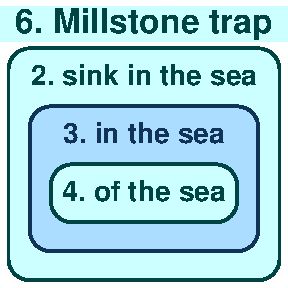
"carried together" had been used by Jesus three verses earlier (
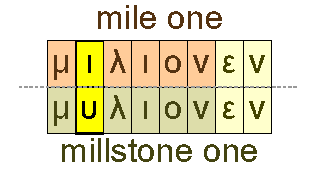
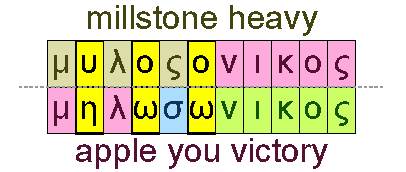
millstone and
sink in the
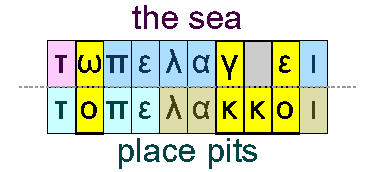
sea in the
sea of the
sea).
48. Similar verses in Matthew
Matthew 5:29 And if thy right eye offend thee, pluck it out, and cast it from thee: for it is profitable for thee that one of thy members should perish, and not that thy whole body should be cast into hell. [kjv]
18:9 And if thine eye offend thee, pluck it out, and cast it from thee: it is better for thee to enter into life with one eye, rather than having two eyes to be cast into hell fire. [kjv]
"συμφέρω" ≈ "bring together, work with, to be carried along with" (used here).
"σύμφορος" ≈ "useful, profitable, expedient, suitable" (not used here).
Verse comparison summary:
Matthew 5:29: "carry together" the same idea before and after.
Matthew 18:9: different ideas before and after, so the word "good" as "right" is used to not break the model.
This pattern or model reinforces the idea that the use of
"carry together" in 18:6, three verses earlier, should fit the model.
49. Matthew 18:6 Little one
Matthew 18:6 But whoso shall offend one of these little ones which believe in me, it were better for him that a millstone were hanged about his neck, and that he were drowned in the depth of the sea. [kjv]
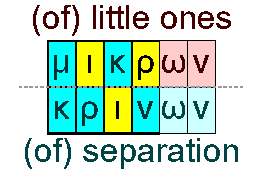
The
"he" can be
"it" and matches the
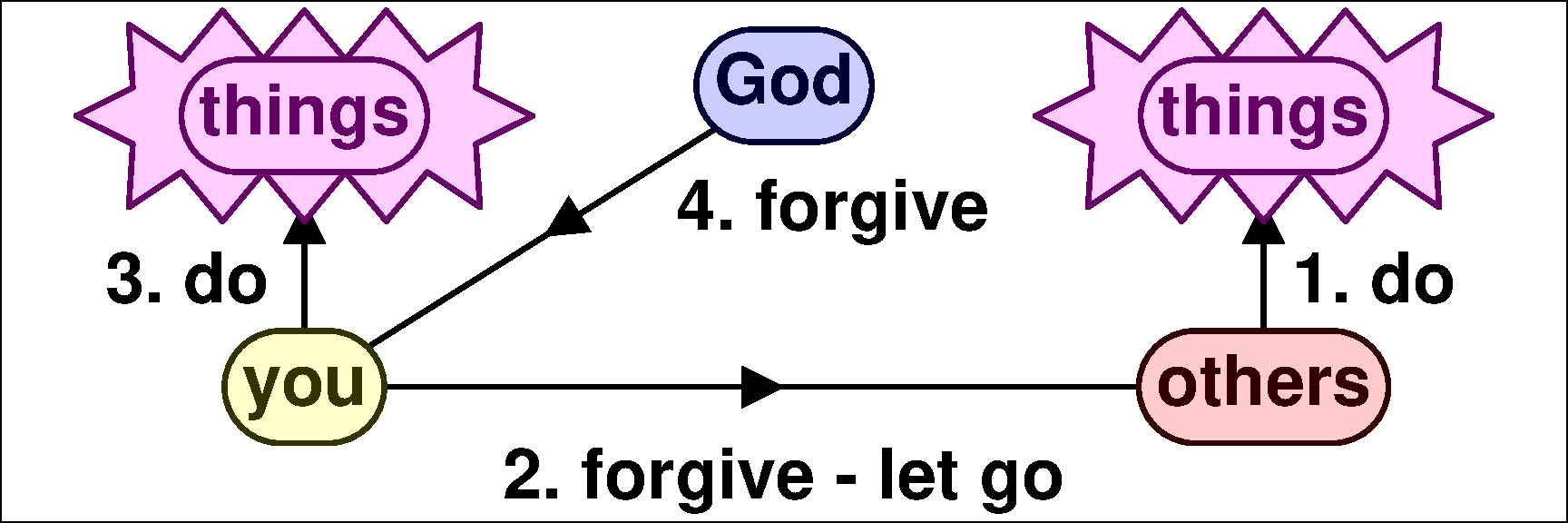
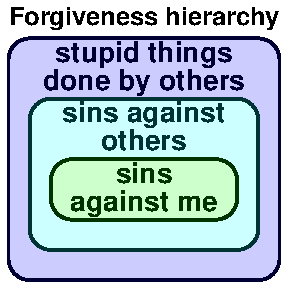
"one" "little one". This leads to Peter's insightful question about forgiving the one who entraps.
50. Observations in Matthew
Matthew 5:29 And if thy right eye offend thee, pluck it out, and cast it from thee: for it is profitable for thee that one of thy members should perish, and not that thy whole body should be cast into hell. [kjv]
18:9 And if thine eye offend thee, pluck it out, and cast it from thee: it is better for thee to enter into life with one eye, rather than having two eyes to be cast into hell fire. [kjv]
The similarities become apparent with the following transformations.
One (or more) Greek words are translated correctly.
A questionable inference is corrected
A simple logical observation is made for the verse in Matthew 5.
Two-valued truth table logic from the mid 1800's is used.
51. Matthew 18:9 Questions and statements
Matthew 18:9 And if thine eye offend thee, pluck it out, and cast it from thee: it is better for thee to enter into life with one eye, rather than having two eyes to be cast into hell fire. [kjv]
και ει ο οφθαλμος σου σκανδαλιζει σε εξελε αυτον και βαλε απο σου καλον σοι εστιν μονοφθαλμον εις την ζωην εισελθειν η δυο οφθαλμους εχοντα βληθηναι εις την γεενναν του πυρος [gnt]
English has ways to unambiguously express a question. In many languages, including Greek, a statement and a question are written in exactly the same way.
To make a statement a question, one raises the voice at the end of the statement. These non-written hints are not in the Greek text.
Greek word order:
... good (for/to) you is one-eye into the life go ...
This part of the verse can be either a statement
or a question. Traditional translations have assumed that it is a statement.
52. Matthew 18:9 Rather than
Matthew 18:9 And if thine eye offend thee, pluck it out, and cast it from thee: it is better for thee to enter into life with one eye, rather than having two eyes to be cast into hell fire. [kjv]
και ει ο οφθαλμος σου σκανδαλιζει σε εξελε αυτον και βαλε απο σου καλον σοι εστιν μονοφθαλμον εις την ζωην εισελθειν η δυο οφθαλμους εχοντα βληθηναι εις την γεενναν του πυρος [gnt]
What Jesus says can be either a statement or a question. To make it a statement, the Greek word for
"or" needs to be translated as
"rather than".
The ancient Greek word
"μᾶλλον" ≈ "rather" as in
"rather than". This word is used
8 times by Jesus in Matthew. If Jesus had meant to say
"rather than", he had the word to say that. Instead, he said
"or".
The
modern Greek word
"μάλλον" (MAL-lon) ≈ "rather, more precisely".
53. Matthew 18:9 Question and answer
Matthew 18:9 And if thine eye offend thee, pluck it out, and cast it from thee: it is better for thee to enter into life with one eye, rather than having two eyes to be cast into hell fire. [kjv]
και ει ο οφθαλμος σου σκανδαλιζει σε εξελε αυτον και βαλε απο σου καλον σοι εστιν μονοφθαλμον εις την ζωην εισελθειν η δυο οφθαλμους εχοντα βληθηναι εις την γεενναν του πυρος [gnt]
Consider the second part of the verse.
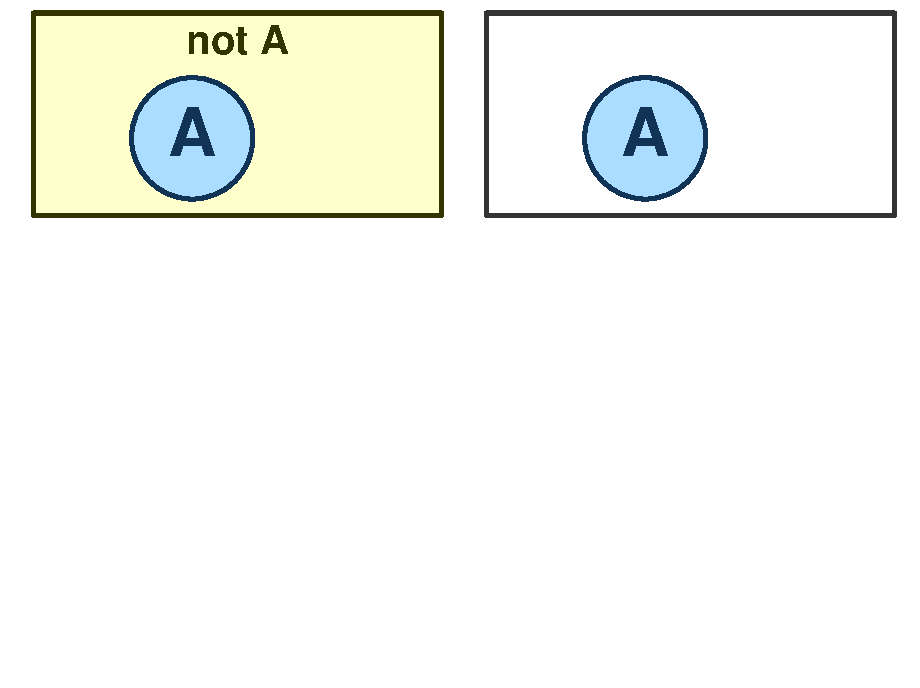
Let A be "enter into life one-eyed" (Jesus).
Let B be "having two eyes and cast into hell" (Jesus and false-leader).
Let us now look at Matthew 5:29.
54. Matthew 5:29 Question and answer
Matthew 5:29 And if thy right eye offend thee, pluck it out, and cast it from thee: for it is profitable for thee that one of thy members should perish, and not that thy whole body should be cast into hell. [kjv]
ει δε ο οφθαλμος σου ο δεξιος σκανδαλιζει σε εξελε αυτον και βαλε απο σου συμφερει γαρ σοι ινα αποληται εν των μελων σου και μη ολον το σωμα σου βληθη εις γεενναν [gnt]
Let not A be "one of the members (the eye) perish" so that A is "one of member (the eye) lives".
Let not B be "not the whole body cast into hell" so that B is "whole body cast into hell".
55. Matthew 5:29 Question and answer
Matthew 5:29 And if thy right eye offend thee, pluck it out, and cast it from thee: for it is profitable for thee that one of thy members should perish, and not that thy whole body should be cast into hell. [kjv]
ει δε ο οφθαλμος σου ο δεξιος σκανδαλιζει σε εξελε αυτον και βαλε απο σου συμφερει γαρ σοι ινα αποληται εν των μελων σου και μη ολον το σωμα σου βληθη εις γεενναν [gnt]
To support the first alternative being
"profitable" the word for
"carry together" is translated that way.
Statement: Better for A than not B.
Question: Taken/carried together it is (not A) and (not B)
56. Rewrite
Simplified expressions:
Matthew 5:29: (not A) and (not B)
Matthew 5:29: not (A or B) by DeMorgan's law.
Matthew 18:9: A or B
By DeMorgan's Law for propositional logic (i.e., truth table logic), from the mid 1800's, these are opposites. This can be useful for showing both sides of a conditional probability.
Matthew 5:29: carry together these two ideas (in this case, that follow)
Matthew 18:9: which is the better of the two (in this case, that follow)
In neither case is Jesus making a value judgment as to which is "
better" or "
expedient". It should be clear which is more "
better" or "
expedient" but that is implied and left to be inferred and not stated unequivocally.
[intuition, algebra, logic]
57. DeMorgan's Laws of compound logical negation
|
|
|
|
DeMorgan's Laws for propositional (truth table) logic are named for Augustus DeMorgan (1806-1871).
[Bible inerrancy]
|
DeMorgan tutored (mostly via correspondence) Ada Lovelace, considered the first programmer, in the early 1840's. The Ada programming language, used mostly for government work, is named after Ada Lovelace.
|
DeMorgan's Law is needed to fully analyze what Jesus says about
mammon in Matthew 6:24 and the plucking of the eye in the Sermon on the Mount and in Matthew 18.
58. Equivalence of the verses
Matthew 5:29 And if thy right eye offend thee, pluck it out, and cast it from thee: for it is profitable for thee that one of thy members should perish, and not that thy whole body should be cast into hell. [kjv]
18:9 And if thine eye offend thee, pluck it out, and cast it from thee: it is better for thee to enter into life with one eye, rather than having two eyes to be cast into hell fire. [kjv]
Though logical analysis, the following parts of the above verses are opposites.
Matthew 5:29: ... one of thy members should perish and not that thy whole body should be cast into hell.
Matthew 18:9: ... enter into life with one eye or (rather than) having two eyes to be cast into hell fire.
Simplified expressions that say the same thing where
A:
perish is
not A:
life.
Matthew 5:29: (not A) and (not B) is the same as not (A or B) by DeMorgan's law.
Matthew 18:9: A or B
59. Matthew 18:6 Sea of the sea of the sea
Matthew 18:6 But whoso shall offend one of these little ones which believe in me, it were better for him that a millstone were hanged about his neck, and that he were drowned in the depth of the sea. [kjv]
ος δ αν σκανδαλιση ενα των μικρων τουτων των πιστευοντων εις εμε συμφερει αυτω ινα κρεμασθη μυλος ονικος επι περι τον τραχηλον αυτου και καταποντισθη εν τω πελαγει της θαλασσης [gnt]
The
ancient Greek word
"καταποντίζω" ≈ "sink in the sea" (drowning inferred).
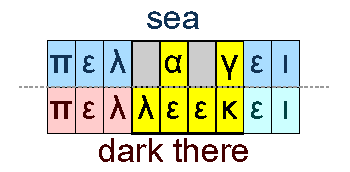
"κατά" ≈ "back, downwards, against" and "πόντος" ≈ "sea" (eye, bird).
"πελάγει" ≈ "sea" (dative neuter singular) from "πέλαγος" ≈ "sea", later the islands in the sea and the source of the last part of the English word "archipelago" (foot, fish)
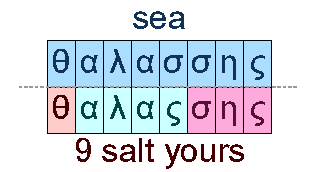
"θάλασσα" ≈ "sea". Some see the word "salt" as part of this word for "sea". (hand, pig)
Greek 18:6:
Sink in the sea [eye] in the sea [foot] of the sea [hand]. [down into the pit/abyss]
Greek 18:8-9:
... cut off hand then foot then pluck out eye ...
60. Matthew 18:6 Sea of the sea of the sea
Matthew 18:6 But whoso shall offend one of these little ones which believe in me, it were better for him that a millstone were hanged about his neck, and that he were drowned in the depth of the sea. [kjv]
ος δ αν σκανδαλιση ενα των μικρων τουτων των πιστευοντων εις εμε συμφερει αυτω ινα κρεμασθη μυλος ονικος επι περι τον τραχηλον αυτου και καταποντισθη εν τω πελαγει της θαλασσης [gnt]
The verse does
not mention "
drowning". The idea is that of going in a downward direction.
Paraphrase:
... and sink down in the sea in the sea of the sea.
[the pit or abyss, Jonah going down, down, down,
one sheep going down the mountain]
[many chances - but keep sinking deeper]
The Greek word used for
"sink down" is also used in Matthew 14 for Peter
"sinking down" in the
sea.
61. Matthew 18:10 Touched by an angel
Matthew 18:10 Take heed that ye despise not one of these little ones; for I say unto you, That in heaven their angels do always behold the face of my Father which is in heaven. [kjv]
ορατε μη καταφρονησητε ενος των μικρων τουτων λεγω γαρ υμιν οτι οι αγγελοι αυτων εν ουρανοις δια παντος βλεπουσιν το προσωπον του πατρος μου του εν ουρανοις [gnt]
It appears that
"little ones" as
"believers" have
"angels" as
"messengers", etc. The "
walk a mile" verse is of being a
"messenger" of God. The verse applies both to "
you" as the
"one" (reflexively)
and (then) to "
others".
Do those in churches sometimes
"despise" those who have been
shunned or
separated from the church in some way?
62. Matthew 18:10
Matthew 18:10 Take heed that ye despise not one of these little ones; for I say unto you, That in heaven their angels do always behold the face of my Father which is in heaven. [kjv]
ορατε μη καταφρονησητε ενος των μικρων τουτων λεγω γαρ υμιν οτι οι αγγελοι αυτων εν ουρανοις δια παντος βλεπουσιν το προσωπον του πατρος μου του εν ουρανοις [gnt]
Is it possible for "you" to "despise" yourself as the separated "little one"?
Is it possible for you to "despise" someone else as the separated "little one"?
Do those in churches sometimes "despise" those who have been shunned or separated from the church in some way?
The ancient Greek word
"καταφρόνησις" ≈ "hold in contempt, despise" is used in only one other place in Matthew by Jesus - in the verse on "
mammon". Note that this can be done without the other person knowing. False leaders, false teachers, etc., will show an outward appearance that is
different from their heart on the inside.
63. End of page