- *G2632 *20 κατακρίνω (kat-ak-ree'-no) : from G2596 and G2919; to judge against, i.e. sentence:--condemn, damn.
- κατακρινουσιν *4
- Matthew 12:41 ... this generation, and shall condemn it: because they repented ...
- Matthew 20:18 ... and unto the scribes, and they shall condemn him to death,
- Mark 10:33 ... and unto the scribes; and they shall condemn him to death, and ...
- Luke 11:32 ... this generation, and shall condemn it: for they repented ...
- κατεκρινεν *4
- John 8:53 Art thou greater than our father Abraham, ...
- Romans 8:3 ... and for sin, condemned sin in the flesh:
- Hebrews 11:7 ... house; by the which he condemned the world, and became ...
- 2 Peter 2:6 ... and Gomorrha into ashes condemned them with an overthrow, making them an ensample ...
- κατακρινει *2
- Matthew 12:42 ... this generation, and shall condemn it: for she came ...
- Luke 11:31 ... this generation, and condemn them: for she came ...
- κατεκριθη
- Matthew 27:3 ... him, when he saw that he was condemned, repented himself, and brought again the thirty ...
- κατεκριναν
- Mark 14:64 ... ye? And they all condemned him to be ...
- κατακριθησεται
- Mark 16:16 ... but he that believeth not shall be damned.
- κατεκρεινεν
- John 8:10 ... thine accusers? hath no man condemned thee?
- κατακρεινω
- John 8:11 ... unto her, Neither do I condemn thee: go, ...
- κατακρινω
- John 8:53 Art thou greater than our father Abraham, ...
- κατακρινεις
- Romans 2:1 ... wherein thou judgest another, thou condemnest thyself; for thou that judgest ...
- κατακρινων
- Romans 8:34 Who is he that condemneth? It is Christ that died, yea rather, that is risen again, who is even at the right hand of God, who also maketh intercession for us.
- κατακεκριται
- Romans 14:23 And he that doubteth is damned if he eat, because ...
- κατακριθωμεν
- 1 Corinthians 11:32 ... the Lord, that we should not be condemned with the world.
44. Usage - condemned
*G2632 *20 κατακρίνω (kat-ak-ree'-no) : from G2596 and G2919; to judge against, i.e. sentence:--condemn, damn.
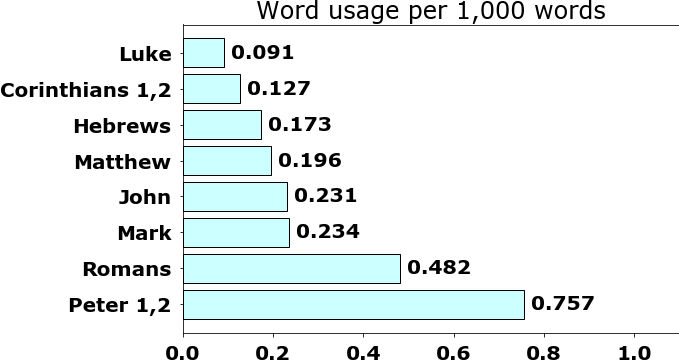 |
Words: κατακεκριται κατακρεινω κατακριθησεται κατακριθωμεν κατακρινει=2 κατακρινεις κατακρινουσιν=4 κατακρινω κατακρινων κατεκρεινεν κατεκριθη κατεκριναν κατεκρινεν=4
|
45. Romans 14:22
KJV: Hast thou faith? have it to thyself before God. Happy is he that condemneth not himself in that thing which he alloweth.
Greek: συ πιστιν ην εχεις κατα σαυτον σεαυτον εχε ενωπιον του θεου μακαριος ο μη κρινων εαυτον εν ω δοκιμαζει
46. Romans 14:23
KJV: And he that doubteth is damned if he eat, because he eateth not of faith: for whatsoever is not of faith is sin.
Greek: ο δε διακρινομενος εαν φαγη κατακεκριται οτι ουκ εκ πιστεως παν δε ο ουκ εκ πιστεως αμαρτια εστιν
47. 1 Corinthians 4:7
1 Corinthians 4:7 For who maketh thee to differ from another? and what hast thou that thou didst not receive? now if thou didst receive it, why dost thou glory, as if thou hadst not received it? [kjv]
τις γαρ σε διακρινει τι δε εχεις ο ουκ ελαβες ει δε και ελαβες τι καυχασαι ως μη λαβων [gnt]
48. 1 Corinthians 4:7
KJV: For who maketh thee to differ from another? and what hast thou that thou didst not receive? now if thou didst receive it, why dost thou glory, as if thou hadst not received it?
Greek: τις γαρ σε διακρινει τι δε εχεις ο ουκ ελαβες ει δε και ελαβες τι καυχασαι ως μη λαβων
49. 1 Corinthians 6:4-5
1 Corinthians 6:4 If then ye have judgments of things pertaining to this life, set them to judge who are least esteemed in the church. [kjv]
βιωτικα μεν ουν κριτηρια εαν εχητε τους εξουθενημενους εν τη εκκλησια τουτους καθιζετε [gnt]
6:5 I speak to your shame. Is it so, that there is not a wise man among you? no, not one that shall be able to judge between his brethren? [kjv]
προς εντροπην υμιν λεγω ουτως ουκ εστιν ενι εν υμιν ουδεις σοφος ουδε εις ος δυνησεται διακριναι ανα μεσον του αδελφου αυτου [gnt]
Should one
"judge" in the modern English sense or
"distinguish" in the ancient Greek word sense?
50. 1 Corinthians 6:4
KJV: If then ye have judgments of things pertaining to this life, set them to judge who are least esteemed in the church.
Greek: βιωτικα μεν ουν κριτηρια εαν εχητε τους εξουθενημενους εν τη εκκλησια τουτους καθιζετε
51. 1 Corinthians 6:5
KJV: I speak to your shame. Is it so, that there is not a wise man among you? no, not one that shall be able to judge between his brethren?
Greek: προς εντροπην υμιν λεγω ουτως ουκ εστιν ενι εν υμιν ουδεις σοφος ουδε εις ος δυνησεται διακριναι ανα μεσον του αδελφου αυτου
52. 1 Corinthians 11:28-30
1 Corinthians 11:28 But let a man examine himself, and so let him eat of that bread, and drink of that cup. [kjv]
δοκιμαζετω δε ανθρωπος εαυτον και ουτως εκ του αρτου εσθιετω και εκ του ποτηριου πινετω [gnt]
11:29 For he that eateth and drinketh unworthily, eateth and drinketh damnation to himself, not discerning the Lord's body. [kjv]
ο γαρ εσθιων και πινων αναξιως κριμα εαυτω εσθιει και πινει μη διακρινων το σωμα του κυριου [gnt]
11:30 For this cause many are weak and sickly among you, and many sleep. [kjv]
δια τουτο εν υμιν πολλοι ασθενεις και αρρωστοι και κοιμωνται ικανοι [gnt]
53. 1 Corinthians 11:28
KJV: But let a man examine himself, and so let him eat of that bread, and drink of that cup.
Greek: δοκιμαζετω δε ανθρωπος εαυτον και ουτως εκ του αρτου εσθιετω και εκ του ποτηριου πινετω
54. 1 Corinthians 11:29
KJV: For he that eateth and drinketh unworthily, eateth and drinketh damnation to himself, not discerning the Lord's body.
Greek: ο γαρ εσθιων και πινων αναξιως κριμα εαυτω εσθιει και πινει μη διακρινων το σωμα του κυριου
55. 1 Corinthians 11:30
KJV: For this cause many are weak and sickly among you, and many sleep.
Greek: δια τουτο εν υμιν πολλοι ασθενεις και αρρωστοι και κοιμωνται ικανοι
56. 1 Corinthians 12:10
1 Corinthians 12:10 To another the working of miracles; to another prophecy; to another discerning of spirits; to another divers kinds of tongues; to another the interpretation of tongues: [kjv]
αλλω δε ενεργηματα δυναμεων αλλω δε προφητεια αλλω δε διακρισεις πνευματων ετερω δε γενη γλωσσων αλλω δε ερμηνεια γλωσσων [gnt]
… discretio … interpretatio … [v]
Paul sets up the "
love chapter" of 1 Corinthians 13 with a chapter with many references to the "
speaking in tongues".
The ancient Greek word
"ἑρμηνεία" ≈ "interpretation, meaning" and is the source of the English word
"hermeneutics".
57. 1 Corinthians 12:10
KJV: To another the working of miracles; to another prophecy; to another discerning of spirits; to another divers kinds of tongues; to another the interpretation of tongues:
Greek: αλλω δε ενεργηματα δυναμεων αλλω δε προφητεια αλλω δε διακρισεις πνευματων ετερω δε γενη γλωσσων αλλω δε ερμηνεια γλωσσων
Latin: alii operatio virtutum alii prophetatio alii discretio spirituum alii genera linguarum alii interpretatio sermonum
58. 1 Corinthians 14:28-30
1 Corinthians 14:28 But if there be no interpreter, let him keep silence in the church; and let him speak to himself, and to God. [kjv]
εαν δε μη η διερμηνευτης σιγατω εν εκκλησια εαυτω δε λαλειτω και τω θεω [gnt]
… interpres taceat … [v]
14:29 Let the prophets speak two or three, and let the other judge. [kjv]
προφηται δε δυο η τρεις λαλειτωσαν και οι αλλοι διακρινετωσαν [gnt]
prophetae … dicant … diiudicent [v]
14:30 If any thing be revealed to another that sitteth by, let the first hold his peace. [kjv]
εαν δε αλλω αποκαλυφθη καθημενω ο πρωτος σιγατω [gnt]
Paul continues the "
love chapter" of 1 Corinthians 13 with a chapter with many more references to the "
speaking in tongues".
The ancient Greek word
"ἑρμηνεία" ≈ "interpretation, meaning" and is the source of the English word
"hermeneutics". The Latin word
"taceo" ≈ "keep silent, still" and is the source of the English word
"tacit".
59. 1 Corinthians 14:28
KJV: But if there be no interpreter, let him keep silence in the church; and let him speak to himself, and to God.
Greek: εαν δε μη η διερμηνευτης σιγατω εν εκκλησια εαυτω δε λαλειτω και τω θεω
Latin: si autem non fuerit interpres taceat in ecclesia sibi autem loquatur et Deo
60. 1 Corinthians 14:29
KJV: Let the prophets speak two or three, and let the other judge.
Greek: προφηται δε δυο η τρεις λαλειτωσαν και οι αλλοι διακρινετωσαν
Latin: prophetae duo aut tres dicant et ceteri diiudicent
61. 1 Corinthians 14:30
KJV: If any thing be revealed to another that sitteth by, let the first hold his peace.
Greek: εαν δε αλλω αποκαλυφθη καθημενω ο πρωτος σιγατω
62. Hebrews 5:14
Hebrews 5:14 But strong meat belongeth to them that are of full age, even those who by reason of use have their senses exercised to discern both good and evil. [kjv]
τελειων δε εστιν η στερεα τροφη των δια την εξιν τα αισθητηρια γεγυμνασμενα εχοντων προς διακρισιν καλου τε και κακου [gnt]
… cibus … discretionem … [v]
Here the Latin uses a word that become the English word
"discretion" rather than
"hesitate". The Latin word
"cibus" ≈ "food, fodder".
The older English for
"meat" meant
"food".
63. English words with narrowed meanings
Many English words, some used in the
KJV, had a more
generic meaning at one time.
- "meat" meant "food".
- "deer" meant "animal".
- "apple" meant "fruit" as in a "pineapple".
- "corn" meant "grain" or "seed".
- "gnat" meant "flying insect".
- "fish" meant a "water creature" as in a "starfish", "crawfish", etc.
Each of these words
narrowed in meaning over the years.
64. Hebrews 5:14
KJV: But strong meat belongeth to them that are of full age, even those who by reason of use have their senses exercised to discern both good and evil.
Greek: τελειων δε εστιν η στερεα τροφη των δια την εξιν τα αισθητηρια γεγυμνασμενα εχοντων προς διακρισιν καλου τε και κακου
Latin: perfectorum autem est solidus cibus eorum qui pro consuetudine exercitatos habent sensus ad discretionem boni ac mali
65. James 1:5-8
James 1:5 If any of you lack wisdom, let him ask of God, that giveth to all men liberally, and upbraideth not; and it shall be given him. [kjv]
ει δε τις υμων λειπεται σοφιας αιτειτω παρα του διδοντος θεου πασιν απλως και μη ονειδιζοντος και δοθησεται αυτω [gnt]
1:6 But let him ask in faith, nothing wavering. For he that wavereth is like a wave of the sea driven with the wind and tossed. [kjv]
αιτειτω δε εν πιστει μηδεν διακρινομενος ο γαρ διακρινομενος εοικεν κλυδωνι θαλασσης ανεμιζομενω και ριπιζομενω [gnt]
… haesitans … haesitat … [v]
1:7 For let not that man think that he shall receive any thing of the Lord. [kjv]
μη γαρ οιεσθω ο ανθρωπος εκεινος οτι ληψεται λημψεται τι παρα του κυριου [gnt]
1:8 A double minded man is unstable in all his ways. [kjv]
ανηρ διψυχος ακαταστατος εν πασαις ταις οδοις αυτου [gnt]
Is James saying not to
"discern" or
"distinguish" or
"over-think" what is happening rather than
"waver"? The
KJV translation as
"doubt"` appears to have been influenced by the Latin word
"haesito" ≈ "remain fixed in place, hesitate, be uncertain".
66. James 1:5
KJV: If any of you lack wisdom, let him ask of God, that giveth to all men liberally, and upbraideth not; and it shall be given him.
Greek: ει δε τις υμων λειπεται σοφιας αιτειτω παρα του διδοντος θεου πασιν απλως και μη ονειδιζοντος και δοθησεται αυτω
67. James 1:6
KJV: But let him ask in faith, nothing wavering. For he that wavereth is like a wave of the sea driven with the wind and tossed.
Greek: αιτειτω δε εν πιστει μηδεν διακρινομενος ο γαρ διακρινομενος εοικεν κλυδωνι θαλασσης ανεμιζομενω και ριπιζομενω
Latin: postulet autem in fide nihil haesitans qui enim haesitat similis est fluctui maris qui a vento movetur et circumfertur
68. James 1:7
KJV: For let not that man think that he shall receive any thing of the Lord.
Greek: μη γαρ οιεσθω ο ανθρωπος εκεινος οτι ληψεται λημψεται τι παρα του κυριου
69. James 1:8
KJV: A double minded man is unstable in all his ways.
Greek: ανηρ διψυχος ακαταστατος εν πασαις ταις οδοις αυτου
70. 1 Corinthians 14:33 Peace and confusion

The word
"peace" can be hard to define and is left for another time. Perhaps that can
"appease" you for the time being. Paul, in 1 Corinthians 14:33, contrasts
"peace" with
"confusion" as in
"commotions". The Greek is, literally
"not standing down".
1 Corinthians 14:33 For God is not the author of confusion, but of peace, as in all churches of the saints. [kjv]
ου γαρ εστιν ακαταστασιας ο θεος αλλ αλλα ειρηνης ως εν πασαις ταις εκκλησιαις των αγιων [gnt]
… dissensionis … pacis … [v]
- The name of the city "Jerusalem", in Hebrew, means "city" of "peace".
- The name of the city "Babylon", from the Hebrew, means "confusion" and is the source of the English word "babble".
The meaning of
"not following the established rules" as in
"making one's own rules" could be used for the term
"lawlessness" - which in English can mean
"anarchy" or
"commotion" or
"confusion". However, there is a Greek word for this idea (and is associated with the opposite of
"peace" by Paul) in 1 Corinthians 14:33.
71. James and Paul
James 3:16 For where envying and strife is, there is confusion and every evil work. [kjv]
οπου γαρ ζηλος και εριθεια εκει ακαταστασια και παν φαυλον πραγμα [gnt]
3:17 But the wisdom that is from above is first pure, then peaceable, gentle, and easy to be intreated, full of mercy and good fruits, without partiality, and without hypocrisy. [kjv]
η δε ανωθεν σοφια πρωτον μεν αγνη εστιν επειτα ειρηνικη επιεικης ευπειθης μεστη ελεους και καρπων αγαθων αδιακριτος και ανυποκριτος [gnt]
3:18 And the fruit of righteousness is sown in peace of them that make peace. [kjv]
καρπος δε της δικαιοσυνης εν ειρηνη σπειρεται τοις ποιουσιν ειρηνην [gnt]
It can be hard to define the "
peace of Christ". Paul contrasts "
confusion" as in "
anarchy" and "
peace".
1 Corinthians 14:33 For God is not the author of confusion, but of peace, as in all churches of the saints. [kjv]
ου γαρ εστιν ακαταστασιας ο θεος αλλ αλλα ειρηνης ως εν πασαις ταις εκκλησιαις των αγιων [gnt]
72. James 3:16
KJV: For where envying and strife is, there is confusion and every evil work.
Greek: οπου γαρ ζηλος και εριθεια εκει ακαταστασια και παν φαυλον πραγμα
73. James 3:17
KJV: But the wisdom that is from above is first pure, then peaceable, gentle, and easy to be intreated, full of mercy and good fruits, without partiality, and without hypocrisy.
Greek: η δε ανωθεν σοφια πρωτον μεν αγνη εστιν επειτα ειρηνικη επιεικης ευπειθης μεστη ελεους και καρπων αγαθων αδιακριτος και ανυποκριτος
74. James 3:18
KJV: And the fruit of righteousness is sown in peace of them that make peace.
Greek: καρπος δε της δικαιοσυνης εν ειρηνη σπειρεται τοις ποιουσιν ειρηνην
75. Jude 1:9-10
Jude 1:9 Yet Michael the archangel, when contending with the devil he disputed about the body of Moses, durst not bring against him a railing accusation, but said, The Lord rebuke thee. [kjv]
ο δε μιχαηλ ο αρχαγγελος οτε τω διαβολω διακρινομενος διελεγετο περι του μωσεως μωυσεως σωματος ουκ ετολμησεν κρισιν επενεγκειν βλασφημιας αλλ αλλα ειπεν επιτιμησαι σοι κυριος [gnt]
1:10 But these speak evil of those things which they know not: but what they know naturally, as brute beasts, in those things they corrupt themselves. [kjv]
ουτοι δε οσα μεν ουκ οιδασιν βλασφημουσιν οσα δε φυσικως ως τα αλογα ζωα επιστανται εν τουτοις φθειρονται [gnt]
Why might the body of Moses be important? A number of important events happened in this area of Mount Nebo. The
KJV translates as "
brute beast" a Greek word that means a "
magnificent war horse".
The
KJV translates as "
contending" the Greek word that means "
reasoning" as in, literally, "
through reasoning".
76. Jude 1:9
KJV: Yet Michael the archangel, when contending with the devil he disputed about the body of Moses, durst not bring against him a railing accusation, but said, The Lord rebuke thee.
Greek: ο δε μιχαηλ ο αρχαγγελος οτε τω διαβολω διακρινομενος διελεγετο περι του μωσεως μωυσεως σωματος ουκ ετολμησεν κρισιν επενεγκειν βλασφημιας αλλ αλλα ειπεν επιτιμησαι σοι κυριος
77. Jude 1:10
KJV: But these speak evil of those things which they know not: but what they know naturally, as brute beasts, in those things they corrupt themselves.
Greek: ουτοι δε οσα μεν ουκ οιδασιν βλασφημουσιν οσα δε φυσικως ως τα αλογα ζωα επιστανται εν τουτοις φθειρονται
78. Matthew 21:19-20 Context
Matthew 21:19 And when he saw a fig tree in the way, he came to it, and found nothing thereon, but leaves only, and said unto it, Let no fruit grow on thee henceforward for ever. And presently the fig tree withered away. [kjv]
και ιδων συκην μιαν επι της οδου ηλθεν επ αυτην και ουδεν ευρεν εν αυτη ει μη φυλλα μονον και λεγει αυτη ου μηκετι εκ σου καρπος γενηται εις τον αιωνα και εξηρανθη παραχρημα η συκη [gnt]
21:20 And when the disciples saw it, they marvelled, saying, How soon is the fig tree withered away ! [kjv]
και ιδοντες οι μαθηται εθαυμασαν λεγοντες πως παραχρημα εξηρανθη η συκη [gnt]
79. Matthew 21:19
KJV: And when he saw a fig tree in the way, he came to it, and found nothing thereon, but leaves only, and said unto it, Let no fruit grow on thee henceforward for ever. And presently the fig tree withered away.
Greek: και ιδων συκην μιαν επι της οδου ηλθεν επ αυτην και ουδεν ευρεν εν αυτη ει μη φυλλα μονον και λεγει αυτη ου μηκετι εκ σου καρπος γενηται εις τον αιωνα και εξηρανθη παραχρημα η συκη
80. Matthew 21:20
KJV: And when the disciples saw it, they marvelled, saying, How soon is the fig tree withered away !
Greek: και ιδοντες οι μαθηται εθαυμασαν λεγοντες πως παραχρημα εξηρανθη η συκη
81. Matthew 21:21
Matthew 21:21 Jesus answered and said unto them, Verily I say unto you, If ye have faith, and doubt not, ye shall not only do this which is done to the fig tree, but also if ye shall say unto this mountain, Be thou removed, and be thou cast into the sea; it shall be done. [kjv]
αποκριθεις δε ο ιησους ειπεν αυτοις αμην λεγω υμιν εαν εχητε πιστιν και μη διακριθητε ου μονον το της συκης ποιησετε αλλα καν τω ορει τουτω ειπητε αρθητι και βληθητι εις την θαλασσαν γενησεται [gnt]
… fidem … haesitaveritis … huic … fiet [v]
The
KJV translation as
"doubt"` appears to have been influenced by the Latin word
"haesito" ≈ "remain fixed in place, hesitate, be uncertain".
82. Matthew 21:21
KJV: Jesus answered and said unto them, Verily I say unto you, If ye have faith, and doubt not, ye shall not only do this which is done to the fig tree, but also if ye shall say unto this mountain, Be thou removed, and be thou cast into the sea; it shall be done.
Greek: αποκριθεις δε ο ιησους ειπεν αυτοις αμην λεγω υμιν εαν εχητε πιστιν και μη διακριθητε ου μονον το της συκης ποιησετε αλλα καν τω ορει τουτω ειπητε αρθητι και βληθητι εις την θαλασσαν γενησεται
Latin: respondens autem Iesus ait eis amen dico vobis si habueritis fidem et non haesitaveritis non solum de ficulnea facietis sed et si monti huic dixeritis tolle et iacta te in mare fiet
83. Strongs - take away
*G142 *101 αἴρω (ah'-ee-ro) : a primary root; to lift up; by implication, to take up or away; figuratively, to raise (the voice), keep in suspense (the mind), specially, to sail away (i.e. weigh anchor); by Hebraism (compare H5375) to expiate sin:--away with, bear (up), carry, lift up, loose, make to doubt, put away, remove, take (away, up).
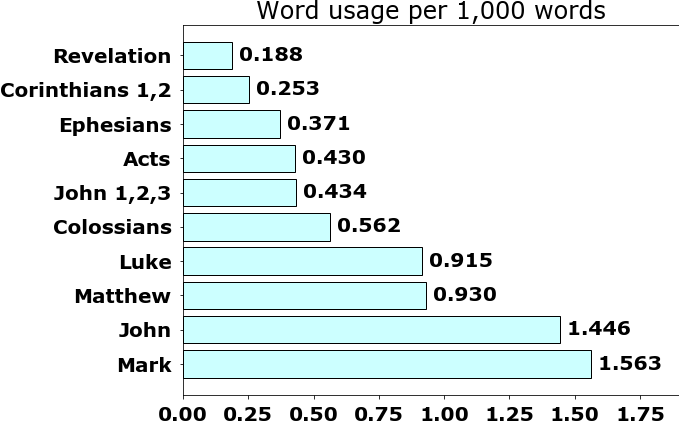 |
Words: αιρε=3 αιρει=8 αιρεις=2 αιρεται αιρετε αιρομενον αιροντος=2 αιρων=2 αιρωσιν αραι=6 αραντες=2 αρας=5 αρατε=5 αρατω=4 αρη=5 αρης αρθη αρθησεται=6 αρθητι=2 αρθητω αρθωσιν αρον=10 αρουσιν=4 αρω ηραν=13 ηρατε=3 ηρεν=5 ηρθη=3 ηρκεν ηρμενον
|
84. Strongs - throw down
*G906 *125 βάλλω (bal'-lo) : a primary verb; to throw (in various applications, more or less violent or intense):--arise, cast (out), X dung, lay, lie, pour, put (up), send, strike, throw (down), thrust. Compare G4496.
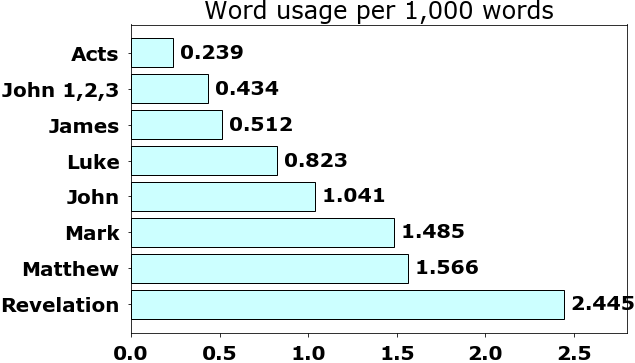 |
Words: αμφιβαλλοντας βαλε=9 βαλει βαλειν=9 βαλετε βαλετω=2 βαλη=2 βαλητε βαλλει=5 βαλλεται=3 βαλλομεν βαλλομενα βαλλομενον=2 βαλλοντας=2 βαλλοντες βαλλοντων=2 βαλλουσα βαλλουσαν βαλλουσιν=4 βαλλω=2 βαλοντες βαλουσα βαλουσιν=3 βαλω=3 βαλωσιν βεβληκεν βεβληκοτος βεβλημενην βεβλημενον=3 βεβλημενος βεβληται=2 βληθεις βληθειση βληθεν βληθη βληθηναι=4 βληθησεται βληθηση βληθητι=2 εβαλαν εβαλεν=21 εβαλλον εβαλον=8 εβεβλητο εβληθη=9 εβληθησαν=3
|
85. Matthew 21:21-22 Context after
Matthew 21:21 Jesus answered and said unto them, Verily I say unto you, If ye have faith, and doubt not, ye shall not only do this which is done to the fig tree, but also if ye shall say unto this mountain, Be thou removed, and be thou cast into the sea; it shall be done. [kjv]
αποκριθεις δε ο ιησους ειπεν αυτοις αμην λεγω υμιν εαν εχητε πιστιν και μη διακριθητε ου μονον το της συκης ποιησετε αλλα καν τω ορει τουτω ειπητε αρθητι και βληθητι εις την θαλασσαν γενησεται [gnt]
21:22 And all things, whatsoever ye shall ask in prayer, believing, ye shall receive. [kjv]
και παντα οσα αν αιτησητε εν τη προσευχη πιστευοντες ληψεσθε λημψεσθε [gnt]
The "
all things" is "
everything asked in prayer".
The "
prayer", as in a "
request made", should be made with "
faith" as in "
believing". Should it be done "
without discernment"? (from the verse before)
86. Matthew 21:22
KJV: And all things, whatsoever ye shall ask in prayer, believing, ye shall receive.
Greek: και παντα οσα αν αιτησητε εν τη προσευχη πιστευοντες ληψεσθε λημψεσθε
87. Mark 11:23
Mark 11:23 For verily I say unto you, That whosoever shall say unto this mountain, Be thou removed, and be thou cast into the sea; and shall not doubt in his heart, but shall believe that those things which he saith shall come to pass; he shall have whatsoever he saith. [kjv]
αμην γαρ λεγω υμιν οτι ος αν ειπη τω ορει τουτω αρθητι και βληθητι εις την θαλασσαν και μη διακριθη εν τη καρδια αυτου αλλα πιστευση πιστευη οτι α λεγει ο λαλει γινεται εσται αυτω ο εαν ειπη [gnt]
Mark repeats something similar to Matthew but leaves out the fig tree which is a few verses back and not at the same exact time as the verse in Matthew.
As with Matthew, the word for
"discernment" or
"through separation" appears to have been translated in a special way just for these two (similar) verses.
88. Mark 11:23
KJV: For verily I say unto you, That whosoever shall say unto this mountain, Be thou removed, and be thou cast into the sea; and shall not doubt in his heart, but shall believe that those things which he saith shall come to pass; he shall have whatsoever he saith.
Greek: αμην γαρ λεγω υμιν οτι ος αν ειπη τω ορει τουτω αρθητι και βληθητι εις την θαλασσαν και μη διακριθη εν τη καρδια αυτου αλλα πιστευση πιστευη οτι α λεγει ο λαλει γινεται εσται αυτω ο εαν ειπη
89. End of page
 The first time I saw a street sign that read "Don't even think of parking here" my first thought was, "ok, what if I park there without even thinking about what I was doing". Would I then be in violation of the sign?

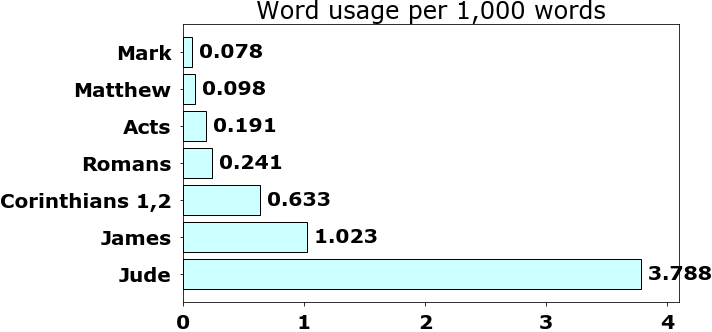
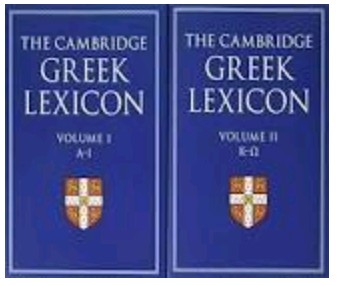 The large two volume Cambridge Greek Lexicon (2021, Volume 1, p. 349) provides 9 long definitions of the word. At the very end, almost as an afterthought, the "doubt" meaning is included and attributed to the GNT (Greek New Testament) - where it is translated that way in only a few verses.