Send Close Add comments: (status displays here)
Got it!  This site "creationpie.org" uses cookies. You consent to this by clicking on "Got it!" or by continuing to use this website.  Note: This appears on each machine/browser from which this site is accessed.
Russian and Greek roots of the term Gulag Archipelago
by RS  admin@creationpie.org : 1024 x 640


1. John 15:14
   John 15:14 
 All 
KJV: Ye are my friends, if ye do whatsoever I command you.
Greek: υμεις φιλοι μου εστε εαν ποιητε οσα ο εγω εντελλομαι υμιν

2. Russian and Greek roots of the term Gulag Archipelago
The phrase Gulag Archipelago is part from the Russian and part from Italian from Greek.
The name comes from the forced prison/labor camps of Stalin and the USSR - the Union of Soviet Socialist Republics. The name became popularized by the three volume (non-fiction) book of the same name by dissident Aleksandr Solzhenitsyn (1918-2008) who survived the ordeal.

Human beings are born with different capacities. If they are free, they are not equal. And if they are equal, they are not free.Aleksandr Solzhenitsyn (1918-2008).

3. English word
The English word "archipelago" is from the Italian word "arcipelago""archipelago" which is from two Greek words.

4. Italian word
The Italian word "Archipelago" originally referred to the Aegean Sea, with many islands, but was generalized to any sea with many islands. Eventually, the meaning changed from the sea with islands to the inlands themselves, in a sea.

5. Island hopping strategy

During World War II, Douglas MacArthur (American military leader) and the U.S. Navy used a strategy called "island hopping" (or "leapfrogging") in the Pacific theater of action. This strategy involved taking only certain islands and leaving others to hang around, without supplies, until the end of the war.

[code talkers, atom bomb]

Information sign More: Douglas MacArthur

6. Matthew 18:6 Sea of the sea
Matthew 18:6 But whoso shall offend one of these little ones which believe in me, it were better for him that a millstone were hanged about his neck, and that he were drowned in the depth of the sea. [kjv]
ος δ αν σκανδαλιση ενα των μικρων τουτων των πιστευοντων εις εμε συμφερει αυτω ινα κρεμασθη μυλος ονικος  επι   περι τον τραχηλον αυτου και καταποντισθη εν τω πελαγει της θαλασσης [gnt]

The Greek translated "offend" is that of "entrapping" or "misleading". Jesus uses "little ones" as "believers" of any age. The ancient Greek word "πέλαγος""sea". The root word appears twice in the GNT (Greek New Testament).

Jesus uses counter-factual logic, a distinctly human trait. Some pastors would tell you not to regret or second guess yourself. Jesus often uses this logic as a warning, a warning that is often ignored or not mentioned by some pastors.

Information sign More: Matthew 11:6: Idiomatic misinterpretations that offend
Information sign More: Profitable and expedient counterfactual logic

7. Deceiving friends
Matthew 18:6 But whoso shall offend one of these little ones which believe in me, it were better for him that a millstone were hanged about his neck, and that he were drowned in the depth of the sea. [kjv]
ος δ αν σκανδαλιση ενα των μικρων τουτων των πιστευοντων εις εμε συμφερει αυτω ινα κρεμασθη μυλος ονικος  επι   περι τον τραχηλον αυτου και καταποντισθη εν τω πελαγει της θαλασσης [gnt]


John 15:14 Ye are my friends, if ye do whatsoever I command you. [kjv]
υμεις φιλοι μου εστε εαν ποιητε  οσα  ο εγω εντελλομαι υμιν [gnt]

Discuss: Is God your friend forever? Should you teach this to children?

The ancient Greek word "μικρός""small" and the source of the English word "micro" is used for "believers" of any age. In Luke 19, Zacchaeus is described as "small" and not "short"

Information sign More: Luke 19:1-11 A short discussion on stature

8. Acts 27:5
Acts 27:5 And when we had sailed over the sea of Cilicia and Pamphylia, we came to Myra, a city of Lycia. [kjv]
το τε πελαγος το κατα την κιλικιαν και παμφυλιαν διαπλευσαντες κατηλθαμεν κατηλθομεν εις  μυρα  μυρρα της λυκιας [gnt]
pelagus Ciliciae … [v]

The ancient Greek word "πέλαγος""sea", later the islands in the sea and the source of the last part of the English word "archipelago" (foot, fish)

The Latin word "pelagus""sea" is from Greek "πέλαγος""sea".

The Greek city of Pamphylia has an interesting meaning and apparent connection to the English word "pamphlet".

Information sign More: Cilicia and pirates and sackcloth in ancient times

9. Acts 27:5
   Acts 27:5 
 All 
KJV: And when we had sailed over the sea of Cilicia and Pamphylia, we came to Myra, a city of Lycia.
Greek: το τε πελαγος το κατα την κιλικιαν και παμφυλιαν διαπλευσαντες κατηλθαμεν κατηλθομεν εις μυρα μυρρα της λυκιας
Latin: et pelagus Ciliciae et Pamphiliae navigantes venimus Lystram quae est Lyciae
Wycliffe: And we seiliden in the see of Silicie and Pamfilie, and camen to Listris, that is Licie.
Tyndale: Then sayled we over the see of Cilicia and Pamphylia and came to Myra a cite in Lycia.
Luther: Und schiffeten auf dem Meer vor Zilizien und Pamphylien über und kamen gen Myra in Lyzien.
Russian: и, переплыв море против Киликии и Памфилии, прибыли в Миры Ликийские.
Spanish: Y habiendo pasado el mar de Cilicia y Panfilia, arribamos a Mira, ciudad de Licia.


10. Strongs - sea
*G3989 *2 πέλαγος (pel'-ag-os) : of uncertain affinity; deep or open sea, i.e. the main:--depth, sea.
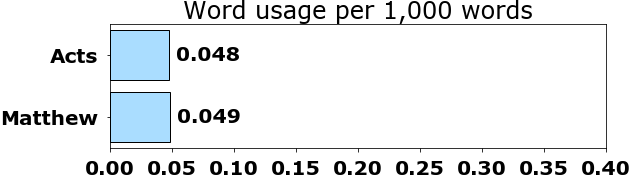
Word usage per chapter Words: πελαγει πελαγος

The ancient Greek word "πελάγει""sea" (dative neuter singular) from "πέλαγος""sea", later the islands in the sea and the source of the last part of the English word "archipelago" (foot, fish)

The Latin word "pelagus""sea" is from Greek "πέλαγος""sea".

The modern Greek word "πέλαγος" (PEH-la-gos) ≈ "sea".

11. Usage - sea
  • *G3989 *2 πέλαγος (pel'-ag-os) : of uncertain affinity; deep or open sea, i.e. the main:--depth, sea.
  •  Usage 
     All 
      πελαγει
          Matthew 18:6 ... and that he were drowned in the depth of the sea.
      πελαγος
          Acts 27:5 And when we had sailed over the sea of Cilicia and ...

12. Matthew 18:6 Latin sink in the sea of the sea
Matthew 18:6 But whoso shall offend one of these little ones which believe in me, it were better for him that a millstone were hanged about his neck, and that he were drowned in the depth of the sea. [kjv]
ος δ αν σκανδαλιση ενα των μικρων τουτων των πιστευοντων εις εμε συμφερει αυτω ινα κρεμασθη μυλος ονικος  επι   περι τον τραχηλον αυτου και καταποντισθη εν τω πελαγει της θαλασσης [gnt]
scandalizaveritcreduntmolademergaturprofundum maris [v]

Note how the Latin Vulgate has influenced the KJV (King James Version) (and other) translations (through, in this case, mistranslations).

Mark 9:42 and Luke 17:2 just say into the "sea".

13. Strongs - Cilicia
*G2791 *8 Κιλικία (kil-ik-ee'-ah) : probably of foreign origin; Cilicia, a region of Asia Minor:--Cilicia.
Word usage per chapter Words: κιλικιαν=3 κιλικιας=5

14. Usage - Cilicia
  • *G2791 *8 Κιλικία (kil-ik-ee'-ah) : probably of foreign origin; Cilicia, a region of Asia Minor:--Cilicia.
  •  Usage 
     All 
    • κιλικιας *5
      •   Acts 6:9 ... and of them of Cilicia and of Asia, disputing with Stephen.
      •   Acts 21:39 ... a man which am a Jew of Tarsus, a city in Cilicia, a citizen of no ...
      •   Acts 22:3 ... born in Tarsus, a city in Cilicia, yet brought up in ...
      •   Acts 23:34 ... when he understood that he was of Cilicia;
      •   Galatians 1:21 ... the regions of Syria and Cilicia;
    • κιλικιαν *3
      •   Acts 15:23 ... and Syria and Cilicia:
      •   Acts 15:41 And he went through Syria and Cilicia, confirming the churches.
      •   Acts 27:5 And when we had sailed over the sea of Cilicia and Pamphylia, we came ...

15. Sack and sackcloth
One can have a "sack lunch" and Santa has a "sack of toys". The English word "sack" is interesting in that it comes originally from Hebrew, primarily from the story of Joseph in Genesis, and has spread to many different languages. In Hebrew, "sack" and "sackcloth" are the same word.

The Latin word "cilicio" for "sackcloth" is interesting in that it is named for "Cicilia", the area where Paul of Tarsus came from. This area is called dangerous by Paul and was the area where Caesar, as a young man, was kidnapped by Cicilian pirates about 100 years before.


Information sign More: Sack and sackcloth

16. Pelicans
Aside: A resident of Louisiana is sometimes called a "pelican". Louisiana is known as the Pelican State, a symbol since colonial times.

The name of the pelican bird sounds like it might be related, but comes from the ancient Greek word "πελεκάν""pelican" which comes from the ancient Greek word "πέλεκυς""hatchet, ax".


Future topic Details are left as a future topic.

Such names that sound like they might be related are sometimes called "false friends".

17. Gulags
The Gulag Archipelago uses the meaning of islands in a sea. That is, prison/labor camps that were dispersed through the sea of land of the Soviet Union.

The English word "gulag" is from the Russian word "гулаг" (gu-log) ≈ "gulag" which was a name for forced prison/labor camps during the Stalinist era of the USSR - the Union of Soviet Socialist Republics. It eventually became more general term for prison. As a verb it meant to force into prison or labor.

The word itself is an acronym for the Russian words "Гла́вное управле́ние исправи́тельнотрудовы́х лагере́й""Chief Administration of Corrective-Labor Camps". ... more to be added ...

18. Prisoners
The best way to keep a prisoner from escaping is to make sure he never knows he's in prison. Fyodor Dostoevsky (1821-1881), author of Crime and punishment.
Russian name: Фёдор Михайлович Достоевский (1821-1881)
Analogy: The best way to keep people separated (rooted up, loosed, judged) from the love of Christ is to not let them know they have separated themselves from the love of Christ. One way: Convince the people that nothing can separate them from the love of Christ. Therefore, they do not need to worry about anything.

Many are "happy" in the "abyss", "pit", "ditch", "wide area" as in better/bitter together, all in the same boat/vote, etc.

Discuss: Has has the modern cell phone become a prison? Is there a tribulation pressure? How about peer pressure?

Information sign More: Romans 8: Battle cry separation for the love of Christ (part 1)
Information sign More: Romans 8: Battle cry separation for the love of Christ (part 2)
Information sign More: Matthew 14:21-36 The all in one boat fallacy and deception
Information sign More: Blind goats and prison pits in Matthew
Information sign More: Matthew 10: 28-31 Taking care of the sparrows

19. End of page

by RS  admin@creationpie.org : 1024 x 640